
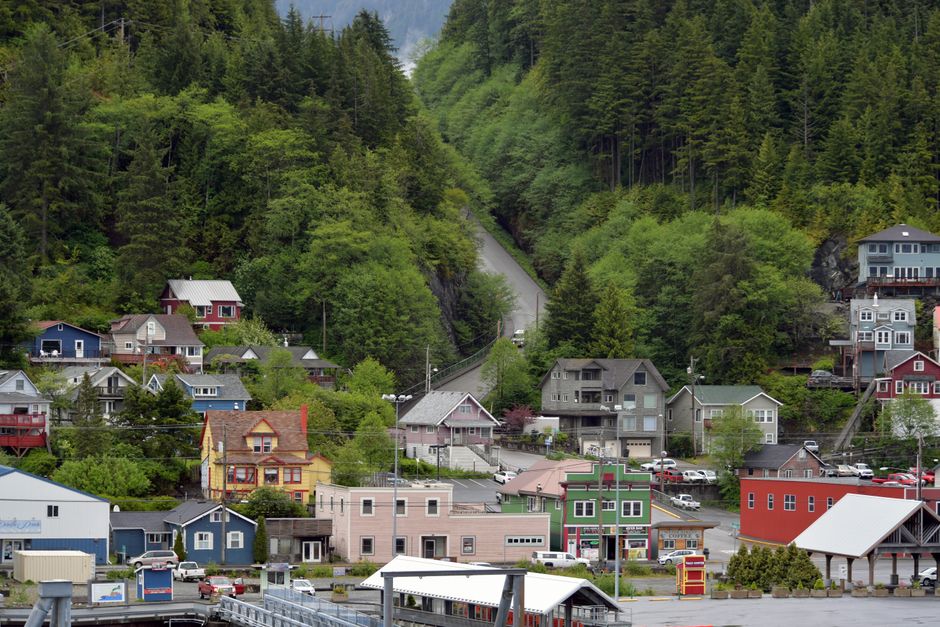

- What happened: Rebuilding continues one year after Typhoon Halong devastated two Alaska villages, according to Alaska’s News Source on October 13, 2026.
- Who it affects: Residents, property owners, prospective buyers, landlords and investors in the affected Alaska communities may face changing housing and property conditions.
- Where: The story concerns two Alaska villages affected by Typhoon Halong.
- Source: Alaska’s News Source, published October 13, 2026.
What happened in Alaska disaster recovery?
According to Alaska’s News Source on October 13, 2026, rebuilding continues one year after Typhoon Halong devastated two Alaska villages. Alaska’s News Source reports that recovery is expected to take years.
Alaska disaster recovery can involve more than repairing individual homes. Housing may remain unavailable while damaged properties are repaired, replaced or evaluated. Infrastructure includes the basic systems and services that allow properties to function, such as access and essential utilities. Infrastructure work may affect whether properties can be occupied, rented, sold or developed on the same timeline as before the disaster.
Alaska disaster recovery may keep usable housing in short supply while rebuilding continues.
For households and property owners, a prolonged recovery can affect decisions about repairs, insurance coverage, temporary housing and the timing of a sale or purchase. For investors, property condition and infrastructure access are important factors when evaluating potential rental income, operating costs and the feasibility of improvements.
Source: Alaska’s News Source
Why does Alaska disaster recovery matter for property owners and investors?
Why may housing availability stay constrained?
When rebuilding takes years, homes that would normally be available for occupancy or rent may remain out of service. That can affect residents seeking housing and investors assessing rental demand. A limited supply of usable homes may support demand for available units, but the local effect depends on household finances, construction progress and infrastructure conditions.
Two Alaska villages may experience changing housing availability as rebuilding progresses.
How can property condition affect financing and timing?
Damage, incomplete repairs or uncertainty about utilities and access can make a property harder to evaluate. Buyers may need more time to confirm current condition, intended use and repair requirements. Lenders and insurers may also require documentation about the property and its insurability before a transaction can move forward.
Investors should distinguish between ordinary improvements and unresolved disaster-related conditions. Repair costs, contractor availability, construction timelines and the ability to operate a rental can affect the budget. A delayed project may postpone rental income and increase the need for financial reserves.
What should owners review about insurance and operating costs?
Disaster recovery can change how owners think about coverage, deductibles and replacement needs. Insurance terms vary by property and risk, so owners should review coverage with a qualified insurance professional. Property taxes, utility costs and other carrying expenses may also change as local conditions and property values are reassessed or restored.
Could rebuilding affect construction demand?
Long-term rebuilding may increase demand for construction, repair and property-management services in the affected communities. Limited labor, materials, transportation or infrastructure capacity can also slow work. Investors considering an Alaska rental property should verify the practical path to completion and operation rather than relying only on a projected purchase price or rent.
Alaska rebuilding conditions can influence both construction timelines and rental-property operating plans.
What should Alaska property owners and investors watch next?
- Updates on rebuilding progress and the return of usable housing in the two affected villages.
- Information about infrastructure restoration, access and essential services.
- Property-specific insurance availability, repair requirements and inspection findings.
- Construction timelines, contractor availability and changes in local rental demand.
These factors can help property owners, buyers and investors organize questions before making repair, purchase, sale or operating decisions. Conditions should be evaluated for each property rather than assumed to be the same across both villages.
Bottom line for Alaska: Alaska disaster recovery after Typhoon Halong is expected to take years, according to Alaska’s News Source on October 13, 2026. Property owners and investors should monitor housing, infrastructure, insurance and repair conditions before acting.
More Alaska coverage
- Anchorage Home Costs: What Alaska Buyers Should Know (October 12, 2026)
- Anchorage Property-Tax Assessments: What Investors Should Know (October 11, 2026)
- Southeast Alaska Housing Market: Jobs and Population (October 10, 2026)
Go Deeper
Financing for Alaska investors when the picture changes
Mortgage Bank of California dba MBANC (NMLS #38232) originates loans in Alaska only for business or investment purposes, such as loans secured by non-owner-occupied residential rental property. Alaska investment lending may help landlords, portfolio investors, short-term-rental operators and out-of-state investors buying in Alaska evaluate rental-property financing when a traditional bank does not fit their situation. Mortgage Bank of California dba MBANC does not offer owner-occupied, primary-residence or consumer mortgages in Alaska.
Mbanc NMLS #38232 | Equal Housing Opportunity Lender
Frequently Asked Questions
How long is Alaska disaster recovery expected to take?
Alaska disaster recovery is expected to take years in the two villages affected by Typhoon Halong, according to Alaska’s News Source on October 13, 2026. Alaska’s News Source does not provide a more specific completion date in the story summary. The extended timeline means housing, property and infrastructure conditions may continue changing during rebuilding.
What should an Alaska investor review before buying a disaster-affected rental property?
An Alaska investor should review the property’s current condition, repair scope, infrastructure access, insurance availability, operating costs and expected timeline before committing to a purchase or financing plan. Alaska investors should also consider contractor availability, the timing of rental operations and the financial reserves needed if repairs or occupancy are delayed.
Can Mortgage Bank of California dba MBANC finance an owner-occupied home in Alaska?
No. Mortgage Bank of California dba MBANC originates loans in Alaska only for business or investment purposes, including loans secured by non-owner-occupied residential rental property. Mortgage Bank of California dba MBANC does not offer owner-occupied, primary-residence or consumer mortgages in Alaska. Alaska investors may review the company’s investment-lending information for eligible business-purpose financing.
Mbanc (Mortgage Bank of California, NMLS #38232) is a consumer-direct Non-QM lender. This content is for informational purposes only and does not constitute a commitment to lend. All loans subject to credit approval.