
- What happened: According to Alaska’s News Source on September 25, 2026, declining Cook Inlet gas supplies are putting pressure on Alaska’s Railbelt electricity system.
- Who it affects: The uncertainty may matter to Southcentral Alaska households, homebuyers, landlords, and real-estate investors.
- Where: The Railbelt includes the Anchorage area and is an important part of Southcentral Alaska’s energy network.
- Source: Alaska’s News Source, published September 25, 2026.
What does the Alaska Railbelt gas crunch mean for Anchorage?
According to Alaska’s News Source on September 25, 2026, declining Cook Inlet gas supplies and pressure from global markets are creating uncertainty for Alaska’s Railbelt electricity system. The report says limited fuel may be available for future needs.
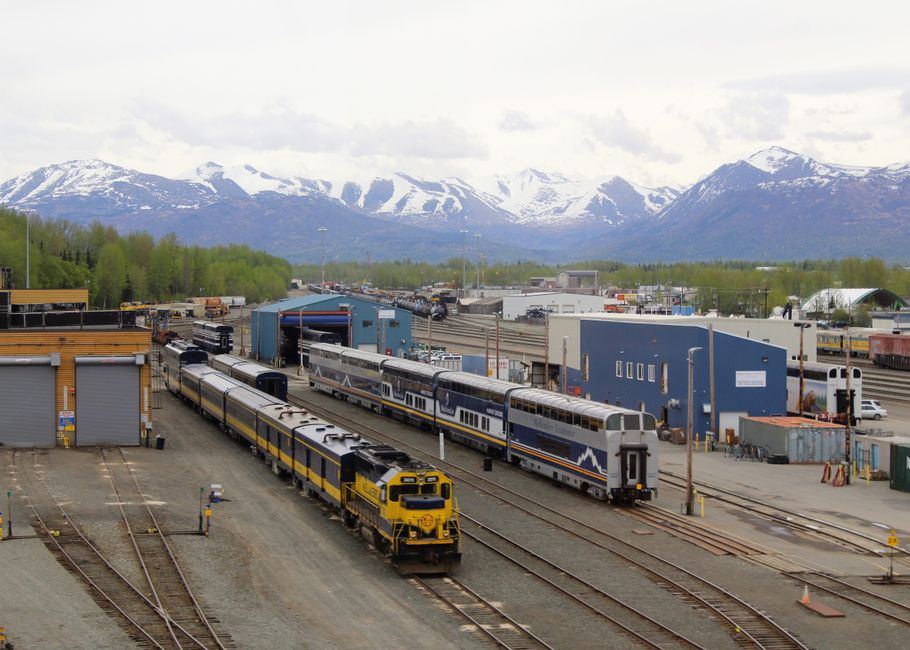
Alaska’s Railbelt faces energy uncertainty as Cook Inlet gas supplies decline.
The Railbelt is an important part of Southcentral Alaska’s energy network. According to Alaska’s News Source on September 25, 2026, uncertainty about fuel availability could matter beyond power producers. Electricity costs and reliability can affect household budgets, business operating expenses, and how buyers evaluate property.
The report does not establish how utility costs will change, whether service interruptions will occur, or how quickly additional fuel options could become available. For property owners, the practical concern is that future energy expenses may be harder to estimate. Efficient properties and appropriate backup systems could receive more attention if uncertainty continues.
Source: Alaska’s News Source
Why could Alaska energy uncertainty matter for property decisions?
Household and operating costs
When electricity or heating costs become less predictable, households may have less room in monthly budgets. For a homeowner, that can affect the total cost of occupying a property even if the mortgage payment does not change. For a landlord, higher utility or maintenance expenses can affect net operating income, especially when the owner pays utilities or a property requires more energy to heat.
Alaska energy costs can influence property operations even before a buyer knows whether utility prices will change. Investors may want to examine actual utility history rather than rely only on broad assumptions about the market.
Property evaluation and demand
Alaska buyers may compare more than purchase price and location. Heating equipment, insulation, windows, building condition, and typical energy use may become more important during due diligence. Due diligence is the process of checking a property and its records before completing a purchase. Buyers should verify property conditions with qualified professionals.
Investors considering rental properties in Anchorage or elsewhere in Southcentral Alaska may examine whether projected rents can support operating costs under several energy-cost scenarios. Building type, tenant-paid utilities, heating source, occupancy, and local utility arrangements can all change the financial picture.
Efficient heating can support more predictable property operations in Anchorage, although efficiency alone does not establish a property’s future value or performance.
Financing and timing
Energy uncertainty can add another item to a property’s cash-flow review. Investors may want current utility information, repair records, equipment details, and realistic reserves before making an offer. If conditions change, lenders and buyers may pay closer attention to documented operating expenses and the condition of major systems.
What should Alaska property owners and investors watch next?
- Updates on Cook Inlet gas availability and the Railbelt system’s plans for future fuel needs.
- Changes in utility costs, fuel expenses, or guidance from local energy providers.
- Property-level evidence about heating efficiency, utility history, and backup power options.
- Whether rental-property operating costs or buyer demand change in Anchorage and other Southcentral Alaska markets.
Bottom line for Alaska: The Alaska Railbelt gas crunch could make energy costs and property operating expenses more difficult to estimate. Anchorage investors may benefit from reviewing utility history, heating systems, and reserves before evaluating a rental property.
More Alaska coverage
- Alaska Housing Costs: Mixed Trends Across Local Markets (September 24, 2026)
- Juneau Flood Risk: What Alaska Property Investors Should Know (September 23, 2026)
- Alaska Permafrost Property Risks for Real Estate Investors (September 19, 2026)
Go Deeper
Financing for Alaska investors when the picture changes
Mortgage Bank of California dba MBANC (NMLS #38232) offers business-purpose financing in Alaska for rental-property owners, landlords, portfolio investors, short-term-rental operators, and out-of-state investors buying Alaska property. Its Non-QM programs may help investors whose income, documentation, or property strategy does not fit a traditional bank’s process. Learn more about investment-property lending in Alaska.
Mbanc NMLS #38232 | Equal Housing Opportunity Lender
Frequently Asked Questions
How could the Alaska Railbelt gas crunch affect an Alaska rental property?
According to Alaska’s News Source on September 25, 2026, declining Cook Inlet gas supplies and global market pressures are creating uncertainty for Alaska’s Railbelt electricity system. An Alaska rental-property investor may therefore review utility costs, heating efficiency, equipment condition, and operating expenses more carefully before purchasing.
Should Alaska property buyers prioritize efficient heating or backup power?
Alaska property buyers may consider efficient heating and backup power when energy costs or reliability become less predictable. Buyers should review the property’s equipment, condition, utility history, expected maintenance, and backup options with appropriate professionals. The September 25, 2026 report does not establish that every property will experience the same effect.
Does MBANC finance owner-occupied homes in Alaska?
No. Mortgage Bank of California dba MBANC (NMLS #38232) originates loans in Alaska only for business or investment purposes, such as financing non-owner-occupied residential rental property. MBANC does not offer owner-occupied, primary-residence, or consumer mortgages in Alaska. Alaska investors and business-purpose borrowers should review applicable eligibility requirements.
Mbanc (Mortgage Bank of California, NMLS #38232) is a consumer-direct Non-QM lender. This content is for informational purposes only and does not constitute a commitment to lend. All loans subject to credit approval.