
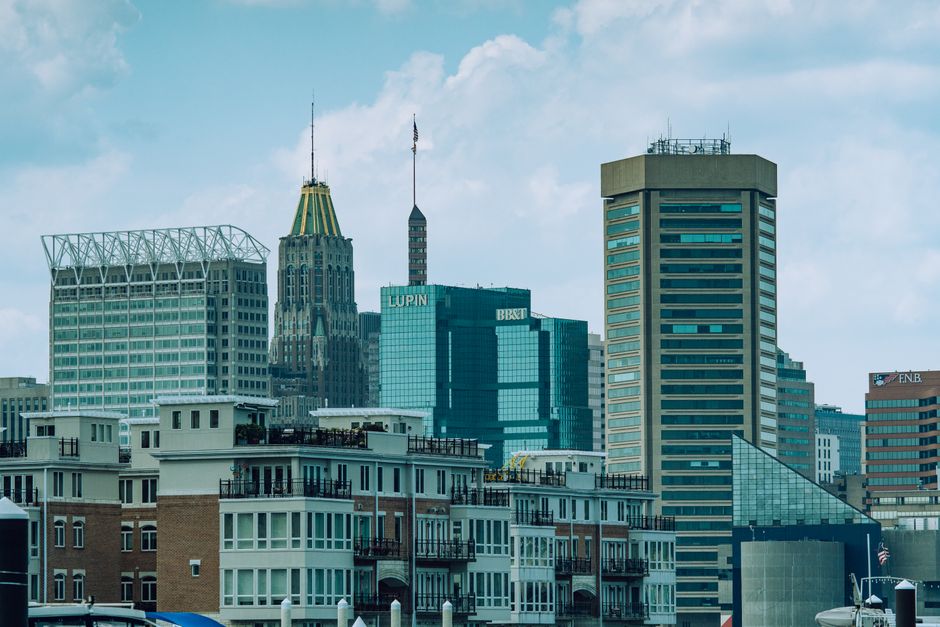

- What happened: According to Realtor.com on October 20, 2026, lawsuits allege that a Baltimore-area mortgage fraud ring helped drive hundreds of homes into foreclosure.
- Who it affects: The allegations may affect borrowers, homeowners, lenders, investors, and potential buyers connected to affected Maryland properties.
- Where: The reported allegations concern Baltimore and the surrounding Maryland area.
- Source: Realtor.com, published October 20, 2026
What does Baltimore mortgage fraud foreclosure mean for Maryland?
According to Realtor.com on October 20, 2026, lawsuits allege that a mortgage fraud ring in the Baltimore area helped drive hundreds of homes into foreclosure. Mortgage fraud means using false, misleading, or improperly handled information in a mortgage or property transaction. The claims raise questions about how loans, property transactions, and borrower circumstances may have been handled in the cases described by the lawsuits.
Baltimore mortgage fraud foreclosure allegations do not establish the final outcome of the lawsuits. According to Realtor.com on October 20, 2026, the available reporting does not identify every property, borrower, lender, or investor involved. Lawsuits are claims, and the legal process may determine which allegations are supported and what remedies, if any, are appropriate.
For people connected to an affected property, the practical issue may be uncertainty. A foreclosure or ownership dispute can require additional review of loan records, title documents, servicing history, and transaction details. According to Realtor.com on October 20, 2026, affected properties could face prolonged legal and foreclosure proceedings.
Maryland foreclosure proceedings tied to disputed transactions may take longer to evaluate.
Source: Realtor.com
Why do Baltimore mortgage fraud allegations matter to Maryland homeowners, buyers, and investors?
Homeowners and borrowers
Borrowers who believe a loan or property may be connected to the allegations should keep copies of closing documents, payment records, notices, and communications with lenders or servicers. A legal dispute can make it harder to predict the timing of a foreclosure, sale, refinance, or ownership transfer. It can also create uncertainty about which party is authorized to act on a loan or property.
Homeowners facing a foreclosure notice should respond promptly and consider qualified legal or housing counseling help. This article does not provide legal or tax advice, and the effect of a lawsuit depends on the facts of each case. According to Realtor.com on October 20, 2026, the allegations concern specific lawsuits and do not establish that every Maryland mortgage or foreclosure is affected.
Homebuyers
Buyers considering a foreclosure, short sale, or other distressed property in the Baltimore market may need more time for title review and closing. A title search is a review of public records that can identify recorded liens, ownership issues, or other claims. Buyers should ask settlement professionals what additional review is appropriate for the transaction.
Unresolved legal proceedings can affect the closing timeline and may require contract terms addressing title defects, court action, or a seller’s authority to transfer the property. A low asking price does not by itself resolve those risks. Baltimore buyers should confirm the property’s ownership and transaction status before relying on a proposed closing date.
Investors and lenders
Maryland investors may face added due diligence when evaluating properties connected to a disputed loan or foreclosure. Legal uncertainty can affect acquisition timing, access to the property, renovation plans, insurance, carrying costs, and the ability to resell or refinance.
Lenders also typically review the property’s title, occupancy, documentation, borrower profile, and intended use. The allegations do not mean every Baltimore-area mortgage or foreclosure is affected, but they illustrate why accurate information and consistent documentation matter when a loan is originated or purchased.
Maryland investors should treat disputed title and foreclosure status as separate questions requiring transaction-specific review.
What should Maryland property owners and investors watch next?
- Court filings that clarify the properties, parties, and specific allegations involved.
- Updates on whether foreclosure actions are paused, continued, or resolved.
- Title and ownership findings affecting individual properties.
- Guidance from lenders, servicers, settlement professionals, or courts for affected borrowers.
Bottom line for Maryland: Baltimore mortgage fraud foreclosure allegations could make title, ownership, and timing more uncertain for people connected to affected properties. Buyers, homeowners, and investors should verify property-specific information and seek qualified professional guidance.
Financing for Maryland homebuyers, homeowners, and investors
When a traditional bank’s documentation rules do not fit the borrower, Mbanc’s Non-QM programs may help eligible Maryland homebuyers, homeowners, and investors, including self-employed entrepreneurs, business owners, contractors, retirees, and international buyers. Explore Mbanc’s Maryland lending options to understand available paths, subject to credit approval and property requirements.
More Maryland coverage
- Maryland Housing Market Cools as Inventory Climbs (October 20, 2026)
- Maryland Coastal Storm: What Property Owners Should Know (October 19, 2026)
- Maryland Coastal Storm Flooding: Risks for Property Owners (October 18, 2026)
Go Deeper
Mbanc NMLS #38232 | Equal Housing Opportunity Lender
Frequently Asked Questions
Does Baltimore mortgage fraud foreclosure affect every Maryland foreclosure?
No. Baltimore mortgage fraud foreclosure allegations do not establish that every Maryland foreclosure or mortgage is connected. According to Realtor.com on October 20, 2026, lawsuits allege that a Baltimore-area fraud ring helped drive hundreds of homes into foreclosure, but the available reporting does not identify every affected property or establish a connection to all foreclosures.
What should a Maryland borrower do if a property may be involved?
A Maryland borrower should preserve loan, payment, closing, and foreclosure records, respond to notices, and seek qualified legal or housing counseling help. The appropriate response to Baltimore mortgage fraud foreclosure allegations depends on the facts of the individual case, including the property’s records, the parties involved, and the status of any legal proceeding.
Can a Maryland investor still buy a Baltimore foreclosure property?
Possibly, but a Maryland investor should expect careful title, ownership, legal, property-condition, and financing review before buying a Baltimore foreclosure property. A pending dispute can extend the timeline or affect whether the seller can transfer clear title, so an investor should ask settlement and legal professionals what property-specific review is appropriate.
Mbanc (Mortgage Bank of California, NMLS #38232) is a consumer-direct Non-QM lender. This content is for informational purposes only and does not constitute a commitment to lend. All loans subject to credit approval.