
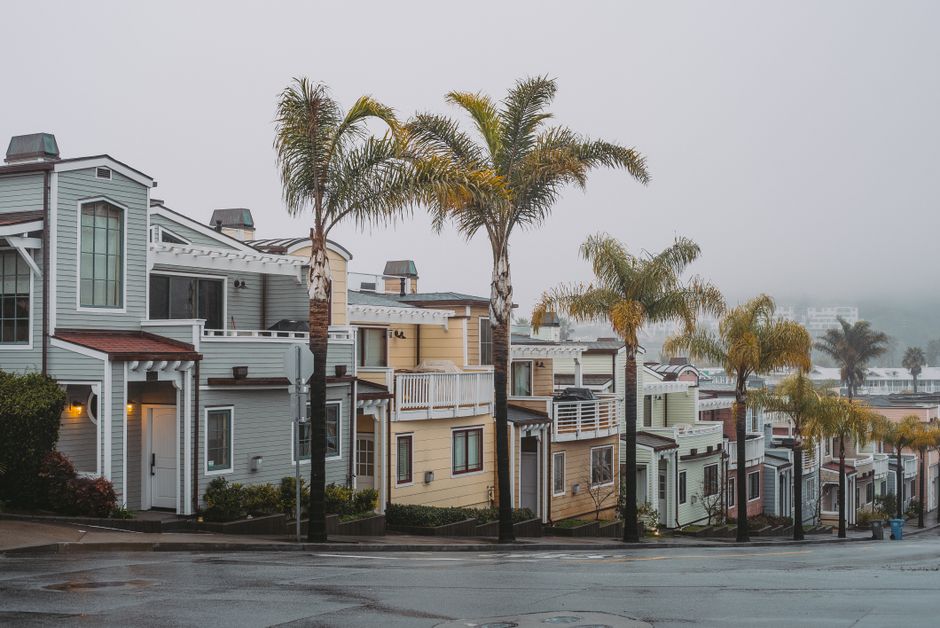

- What happened: According to the Los Angeles Times on November 22, 2026, unusually high tides and an approaching storm could bring coastal flooding across California.
- Who it affects: California homeowners, landlords, homebuyers, and real-estate investors may need to consider access, damage, and insurance questions.
- Where: The reported threat involves coastal areas across California, including locations around San Francisco International Airport and Oakland Airport.
- Source: The Los Angeles Times, published November 22, 2026.
What is the California coastal flood threat?
According to the Los Angeles Times on November 22, 2026, unusually high tides and an approaching storm could create a major flood threat along the California coast through Thanksgiving. The report identifies possible impacts around San Francisco International Airport and Oakland Airport. The report describes a new holiday-week threat following earlier Southern California storm coverage.
Coastal flooding occurs when water reaches normally dry land near the shoreline. According to the Los Angeles Times on November 22, 2026, the combination of high tides and storm conditions could affect coastal communities, but the report does not establish that every community or property will flood. Conditions can vary with elevation, drainage, shoreline exposure, and proximity to roads or other infrastructure.
California coastal flooding can affect access before it affects a building. According to the Los Angeles Times on November 22, 2026, residents were told to avoid travel because of the reported threat. For property owners, possible concerns include temporary access problems, water damage, cleanup needs, and insurance claims.
Source: Los Angeles Times
Why does California coastal flooding matter to property owners?
What should homeowners and landlords review?
California coastal flood exposure can affect more than a building. Temporary road closures or access restrictions may interfere with commuting, deliveries, tenant access, inspections, and repair work. Water intrusion may damage flooring, walls, mechanical systems, landscaping, or personal belongings, depending on where water enters and how long it remains.
Homeowners and landlords should read their insurance documents and ask the insurer what is covered, excluded, or subject to separate flood coverage. Policy limits, deductibles, waiting periods, and claim procedures vary by policy. The policy documents and insurer are the appropriate sources for property-specific coverage answers.
California coastal flooding can turn property access into an operating concern.
What should homebuyers check during due diligence?
For a homebuyer considering a low-lying coastal property, the California coastal flood threat is a reason to ask more detailed questions before closing. Review flood maps and property disclosures, inspect drainage and grading, and ask how access has been affected during prior storms. A lender or insurer may request additional information about flood exposure.
Flood exposure can affect the total cost of owning a property. A buyer may need to consider insurance, deductibles, drainage work, repairs, and interruptions to the property’s use. Those considerations can influence affordability and purchase timing even if the property’s price does not change.
California coastal flood exposure belongs in property due diligence, not after closing.
How should investors assess a coastal property?
Investors should consider physical risk and operating risk when evaluating a California coastal property. A flood-related repair could reduce rental income, delay a lease-up, or require temporary relocation of tenants. Access problems could also complicate property management and contractor scheduling.
Before making an offer, investors can evaluate elevation, drainage, insurance availability, expected carrying costs, and the resilience of nearby roads and services. Local conditions matter, so property-specific questions should be checked with qualified local, insurance, and inspection professionals.
What should California property owners watch next?
- Updated guidance from local emergency-management agencies about coastal flooding, travel, and access.
- Whether the approaching storm and high tides produce flooding in the specific community being considered.
- Road, airport, and infrastructure updates that could affect access to homes and investment properties.
- Insurance responses, including claim requirements, coverage determinations, and documentation after damage.
Bottom line for California: The California coastal flood threat may affect access, property conditions, and insurance decisions through Thanksgiving. Homeowners, buyers, landlords, and investors should evaluate local exposure and coverage using property-specific information.
Financing for California homebuyers, homeowners, and investors
When property conditions, income patterns, or timing make a traditional bank’s process difficult, Mortgage Bank of California dba MBANC (NMLS #38232) offers Non-QM loan programs for California homebuyers, homeowners, and investors, including self-employed entrepreneurs, business owners, contractors, and retirees. Learn more about California financing options, subject to credit approval and property eligibility.
More California coverage
- California Mixed-Status Housing Rule: What Families Should Know (November 22, 2026)
- California Job Growth and Housing Demand Across the State (November 21, 2026)
- Los Angeles Storm Flooding and Property Decisions (November 20, 2026)
Go Deeper
Mbanc NMLS #38232 | Equal Housing Opportunity Lender
Frequently Asked Questions
What is creating the California coastal flood threat?
According to the Los Angeles Times on November 22, 2026, unusually high tides and an approaching storm could combine to cause coastal flooding across California through Thanksgiving. The California coastal flood threat may vary by community because elevation, drainage, shoreline exposure, and infrastructure differ from one property to another.
How could California coastal flooding affect a property owner?
California coastal flooding could cause temporary access problems, water damage, cleanup needs, and insurance claims. The Los Angeles Times reported the threat on November 22, 2026, but the actual effect on a California property depends on its location, elevation, drainage, shoreline exposure, and access routes.
What should a California buyer review before purchasing coastal property?
A California buyer should review flood exposure, drainage, available insurance, property disclosures, access routes, and potential repair or carrying costs. California coastal flood conditions can differ by location, so buyers should ask qualified inspectors, insurers, lenders, and local professionals property-specific questions before completing a purchase.
Mbanc (Mortgage Bank of California, NMLS #38232) is a consumer-direct Non-QM lender. This content is for informational purposes only and does not constitute a commitment to lend. All loans subject to credit approval.