
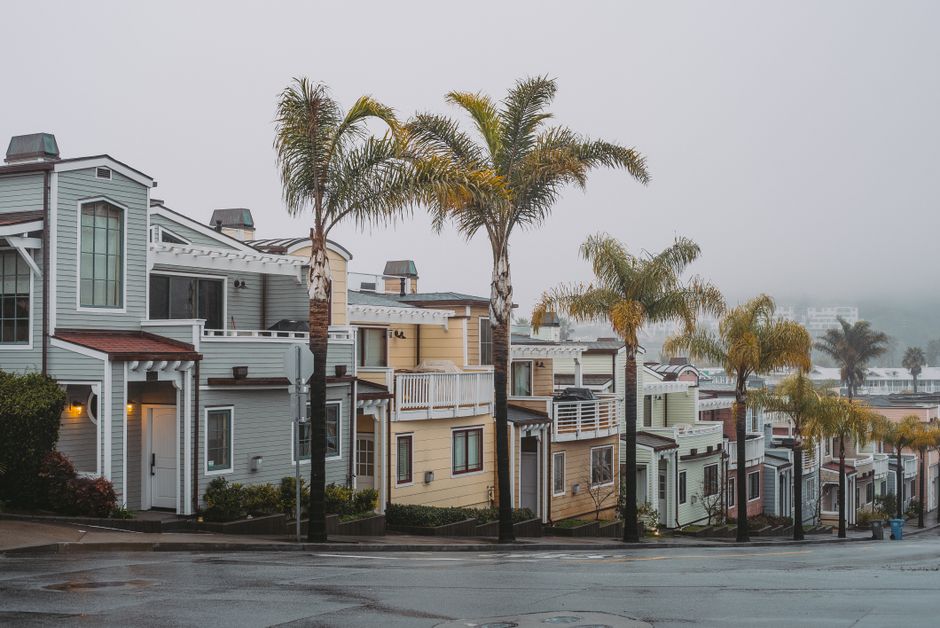
- What happened: According to The Guardian on October 28, 2026, unusually high tides flooded roads, homes, and businesses in parts of California.
- Who it affects: California coastal homeowners, homebuyers, landlords, and real-estate investors may face property-access, damage, insurance, and transaction concerns.
- Where: The reported flooding affected vulnerable coastal areas in California.
- Source: The Guardian, published October 28, 2026.
What happened with California coastal flooding?
According to The Guardian on October 28, 2026, unusually high tides flooded roads, homes, and businesses in parts of California. The Guardian also reported that some residents used kayaks to get around.
California coastal flooding can create problems beyond visible standing water. Flooded roads may limit access to homes and businesses, while water may damage buildings, contents, electrical systems, landscaping, and other property features. The seriousness of the impact depends on the location and duration of the flooding.
California coastal flooding can affect a property’s financial exposure even when an owner has not previously experienced a major flood. Insurance availability, coverage terms, repair costs, resale demand, and the time required to complete a transaction may all matter when flooding becomes more visible.
Source: The Guardian
Why does California coastal flooding matter for homeowners, buyers, and investors?
How can flooding affect California homeowners?
For a homeowner near the coast, a flooded road can make an otherwise usable home difficult to reach. Damage may require inspections, cleanup, repairs, and documentation before the property returns to normal use. Homeowners should review insurance policies for covered water damage and exclusions. Insurance questions should be directed to an insurance professional.
California coastal flooding can affect daily access even when a property does not have extensive interior damage. Roads, utilities, local infrastructure, and nearby businesses may influence how quickly a location returns to normal use.
What should California homebuyers review before purchasing?
A high-tide flooding event does not establish that every coastal property has the same risk. Homebuyers should evaluate the specific address, surrounding road access, drainage, elevation information, prior water intrusion, and available insurance options. Lenders and insurers may request additional documentation or conditions when a property has identified exposure.
An appraisal district is a local government office that determines property values for property-tax purposes. Buyers may also review available property records and ask qualified inspection and real-estate professionals about conditions that could affect the purchase timeline or total housing costs.
What should California investors stress-test?
For owners of rental homes or other investment properties, access problems and repairs can interrupt occupancy and rental income. Investors may need to budget for maintenance, insurance changes, property-management challenges, and longer periods to sell or refinance.
California coastal flooding may affect future demand and property values in vulnerable locations, but the effect can vary by property and market. Investors should consider property-specific exposure rather than assuming that one reported event applies equally to every address.
Can flooding change financing documentation?
When a property’s condition, insurance, or access changes, a lender may need current information before completing a loan. That information can include insurance documentation, property details, and confirmation that the property meets applicable lending requirements. Borrowers should raise known flooding or damage issues early instead of waiting until the final stages of a transaction.
What should Californians watch next?
- Whether local roads, homes, and businesses continue to report flooding or return to normal access.
- Whether property-specific inspections identify water damage or needed repairs.
- Whether insurers change availability, coverage terms, or documentation requirements in affected areas.
- Whether buyers, sellers, and lenders adjust transaction timelines or pricing for vulnerable coastal properties.
What financing options are available for California homeowners and investors?
Mortgage Bank of California dba MBANC (NMLS #38232) offers California mortgage lending for owner-occupied homes and investment properties. Its Non-QM loan programs may help borrowers whose income or documentation does not fit a traditional bank’s guidelines, including self-employed entrepreneurs, business owners, contractors, investors, and retirees. Learn more about Non-QM lending across California, subject to property, credit, and loan requirements.
Bottom line for California: California coastal flooding makes property access, damage, insurance, and address-specific due diligence important for homeowners, buyers, and investors. A reported event does not establish identical risk for every property.
More California coverage
- California El Nino Storm Property Risks Explained (October 28, 2026)
- Southern California Coastal Flooding: Property Impacts (October 27, 2026)
- Southern California Coastal Flooding: What Owners Should Know (October 26, 2026)
Go Deeper
Mbanc NMLS #38232 | Equal Housing Opportunity Lender
Frequently Asked Questions
Does California coastal flooding automatically mean a California home is unsafe?
No. The Guardian reported flooding in parts of California on October 28, 2026, but California coastal flooding risk and damage can differ by address. California homebuyers and homeowners should arrange appropriate inspections and review access, drainage, elevation, prior water intrusion, and insurance information for the specific property.
Can California coastal flooding affect a property’s financing?
It can. California coastal flooding may affect property condition, insurance availability, and required documentation, which can change the timing or requirements of a loan. California borrowers should disclose known damage and provide current property and insurance information early in the financing process.
What should California investors check before buying near the coast?
California investors should review a property’s flood exposure, access, condition, insurance options, repair budget, expected occupancy, and possible interruption to rental income. California investment-property buyers can consult qualified real-estate, insurance, tax, or legal professionals about issues outside the scope of lending.
Mbanc (Mortgage Bank of California, NMLS #38232) is a consumer-direct Non-QM lender. This content is for informational purposes only and does not constitute a commitment to lend. All loans subject to credit approval.