
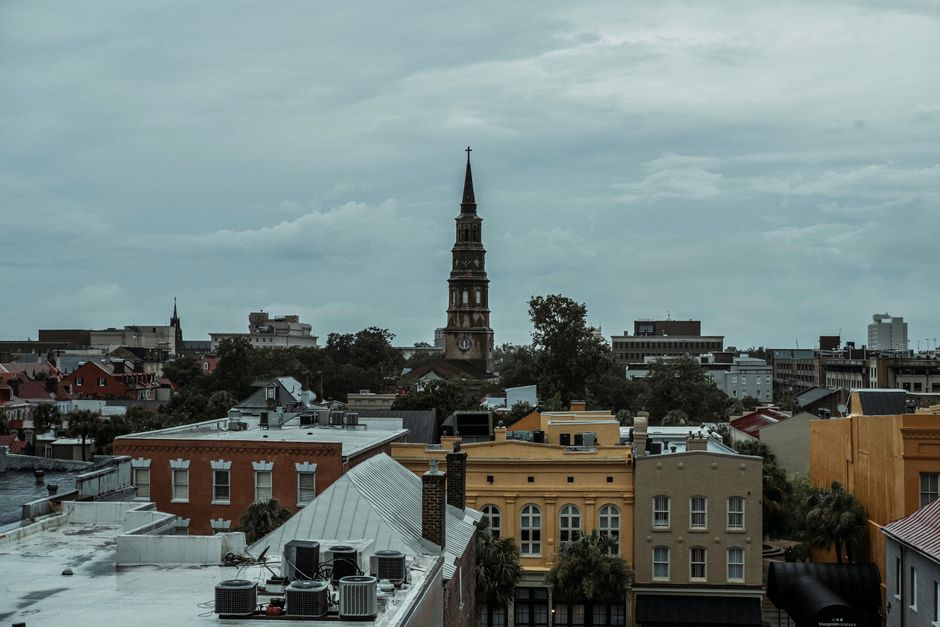
- What happened: Charleston County voters approved a sales tax expected to generate $4.25 billion for infrastructure improvements, according to the Post and Courier on November 4, 2026.
- Who it affects: The Charleston County infrastructure sales tax may matter to homeowners, buyers, sellers, landlords, and real-estate investors in Charleston County, South Carolina.
- Where: The potential housing effects extend across Charleston County and the broader Charleston, South Carolina, housing market.
- What remains unknown: The available summary does not identify the complete project list, construction schedule, tax collection start date, or tax rate.
What happened with the Charleston County infrastructure sales tax?
According to the Post and Courier on November 4, 2026, Charleston County, South Carolina, voters approved a sales tax expected to generate $4.25 billion for infrastructure improvements. The available summary describes a countywide transportation and infrastructure program but does not provide the complete list of projects, the construction schedule, or the timing of tax collections.
Charleston County approved the funding measure, but approval does not mean that every project begins immediately or that every neighborhood experiences the same result. According to the Post and Courier on November 4, 2026, the expected total is $4.25 billion; the source summary does not provide a project-by-project breakdown.
Infrastructure decisions can influence where people live, where businesses expand, and how residents reach employment centers and services. They can also create temporary construction disruptions. The practical effect of the Charleston County infrastructure sales tax will depend on how funds are allocated, which transportation improvements receive priority, and when work is scheduled.
Source: Post and Courier, published November 4, 2026
Why could the Charleston County infrastructure sales tax affect housing?
Transportation can change housing demand
Improved roads, transit connections, and other transportation projects can make some areas easier to reach. Over time, that may affect buyer interest and development patterns in parts of Charleston County, South Carolina. Areas near planned improvements could receive more attention, while locations near active construction may face short-term access, noise, or traffic issues.
Charleston County transportation improvements could make some properties more useful for commuting and daily errands. Buyers can compare a property’s current location with longer-term project plans, while homeowners can consider how access may change. A neighborhood that appears less convenient today could become more accessible later, but that outcome is not guaranteed.
Charleston County transportation projects could influence housing demand unevenly across the county.
Property values may respond unevenly
Infrastructure spending can affect property values, but the direction and timing vary by project and location. A completed improvement may support demand in one area. Construction impacts, added traffic, or changes in access may create different conditions in another. According to the Post and Courier on November 4, 2026, the program is expected to generate $4.25 billion, but the available summary does not establish a countywide property-value outcome.
Investors can also examine how a project could affect tenant demand, vacancy risk, operating costs, and the appeal of nearby commercial areas. Future improvements may support a property’s long-term position, while near-term construction could affect leasing activity. These possibilities are considerations, not guaranteed results.
Charleston County property values may respond differently depending on project location, timing, and access changes.
Budget and timing still matter
The available summary does not state the sales tax rate, collection start date, exemptions, or how costs will be distributed. Buyers should include their complete monthly budget when evaluating affordability rather than relying only on a projected change in property value. A sales tax measure and a property’s future value are separate considerations.
Homeowners considering a move, refinance, or renovation can watch the actual project calendar. Construction schedules may affect travel times and property access. Mortgage Bank of California dba MBANC (NMLS #38232) may evaluate a borrower’s income, credit, assets, debts, and the property itself, regardless of expected infrastructure benefits.
What should Charleston County buyers and investors watch next?
- Charleston County’s official list of funded transportation and infrastructure projects.
- Expected tax collection timing and any published implementation details.
- Construction schedules, traffic plans, and affected neighborhoods.
- Changes in development activity, rents, buyer demand, and property listings near planned projects.
These details can help buyers compare commuting needs, property access, and the full cost of ownership. Investors can use the same information to consider tenant demand, leasing conditions, and operating costs. According to the Post and Courier on November 4, 2026, the approved measure is expected to generate $4.25 billion, but the available summary does not answer those project-specific questions.
Financing for South Carolina homeowners, buyers, and investors
When infrastructure plans change the outlook for a property, Mortgage Bank of California dba MBANC (NMLS #38232) offers Non-QM programs for South Carolina owner-occupied homebuyers and investment-property borrowers who do not fit a traditional bank’s underwriting approach. Potential borrowers may include self-employed entrepreneurs, business owners, contractors, investors, retirees, and international buyers. Learn more about Non-QM lending in South Carolina and discuss your situation with a licensed mortgage professional.
Bottom line for Charleston County: The Charleston County infrastructure sales tax is expected to support $4.25 billion in infrastructure improvements, but housing effects will depend on project locations, schedules, access changes, and development activity.
More South Carolina coverage
- South Carolina Housing Market: Greenville Growth Outlook (November 3, 2026)
- What First Solar’s South Carolina Plant Means for Housing (October 29, 2026)
- South Carolina Property Taxes and Duke Energy Assets (October 28, 2026)
Go Deeper
Mbanc NMLS #38232 | Equal Housing Opportunity Lender
Frequently Asked Questions
What did the Charleston County infrastructure sales tax approve?
According to the Post and Courier on November 4, 2026, Charleston County voters approved a sales tax expected to generate $4.25 billion for infrastructure improvements. The Charleston County infrastructure sales tax summary does not provide the complete project list, collection start date, or implementation schedule.
Could the Charleston County infrastructure sales tax affect property values?
Yes, the Charleston County infrastructure sales tax could affect property values depending on where projects are built, how projects change access and development, and whether construction creates short-term disruptions. The Post and Courier on November 4, 2026, did not establish a uniform countywide property-value effect, so buyers and investors should review project-specific information.
What should Charleston County buyers and investors do now?
Charleston County buyers and investors should watch the county’s project list, funding details, and construction schedules. According to the Post and Courier on November 4, 2026, the approved measure is expected to generate $4.25 billion, but project details remain important for comparing commuting needs, property access, tenant demand, and total ownership costs.
Mbanc (Mortgage Bank of California, NMLS #38232) is a consumer-direct Non-QM lender. This content is for informational purposes only and does not constitute a commitment to lend. All loans subject to credit approval.