

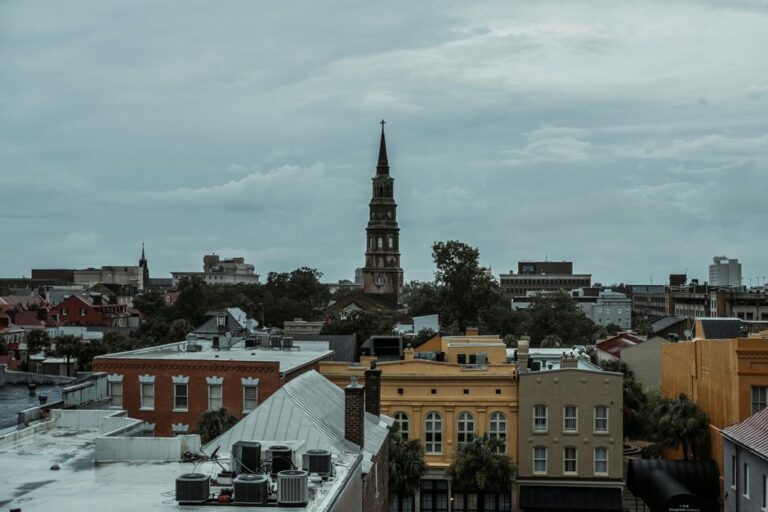
- What happened: According to the Post and Courier on October 5, 2026, a critical flood warning for Charleston was extended to 1 a.m., and several downtown streets closed because of flooding.
- Who it affects: Charleston homeowners, homebuyers, property investors, tenants, and people traveling through affected areas may face access or timing disruptions.
- Where: The reported closures involved downtown Charleston, South Carolina, with potential concerns for other vulnerable properties in the area.
- Source: Post and Courier, published October 5, 2026
What happened in Charleston, South Carolina?
According to the Post and Courier on October 5, 2026, a critical flood warning for Charleston was extended to 1 a.m., and several downtown streets were closed because of flooding.
The immediate concern is safety and access. Floodwater can make roads impassable, prevent residents and contractors from reaching a property, and delay inspections, repairs, deliveries, and closings. According to the Post and Courier on October 5, 2026, the report did not provide the amount of damage, the number of properties affected, or how long individual streets might remain closed.
For owners, practical steps may include documenting conditions, contacting an insurance carrier when damage occurs, and arranging professional cleanup or remediation when needed. Buyers and investors may also need to confirm whether a property experienced damage before moving forward with a transaction. These steps address the potential Charleston flooding property impact without assuming damage at any particular address.
Source: Post and Courier
Why does Charleston flooding property impact matter?
Homeowners may face repair and insurance decisions
Flooding can damage flooring, walls, electrical systems, mechanical equipment, personal property, and other parts of a home. The exact coverage depends on the policy and the cause of loss. Homeowners should document visible damage, follow the insurer’s instructions, and keep records of cleanup and remediation expenses. Owners should understand the carrier’s requirements before beginning work that could affect an inspection or claim.
Homebuyers should verify condition and timing
If a home is under contract or about to be listed, flooding can change the practical and financial picture. A homebuyer may need updated inspections, repair records, insurance information, or an agreement about timing and responsibility for unresolved damage. Flood-related access problems can also delay an appraisal, final walkthrough, closing, or move-in.
Insurance availability and cost are important parts of affordability. Before committing to a property in a vulnerable area, homebuyers should confirm that suitable coverage is available and understand what the policy does and does not cover. A lender may also require evidence of insurance before closing.
Investors should review income and property risk
For an investment property, flooding can interrupt access, repairs, leasing, and rental operations. Remediation costs and temporary vacancy can affect projected cash flow. Repeated flooding may also influence how future buyers, insurers, lenders, and appraisers view the property, although the effect varies by location, property condition, documentation, and broader market conditions.
South Carolina flooding can affect a property’s financing review when damage, unresolved safety issues, insurance questions, or timing concerns remain. A lender will generally evaluate the property’s condition, the borrower’s finances, insurance, and the requested loan terms. Additional conditions or timing requirements may apply.
Charleston flooding can disrupt property access before it affects a property’s long-term value.
What should South Carolina property owners watch next?
- Whether the warning is lifted and downtown streets reopen.
- Reports of property damage, cleanup needs, or extended access disruptions.
- Insurance carrier guidance and documentation requirements for affected owners.
- Any inspection, appraisal, insurance, or closing delays tied to specific properties.
South Carolina flood damage records can help owners, buyers, and investors evaluate repairs, insurance, and transaction timing.
Bottom line for South Carolina: According to the Post and Courier on October 5, 2026, Charleston’s extended flood warning and downtown street closures create immediate access concerns. Owners, buyers, and investors should verify property condition, insurance, and timing before making decisions.
More South Carolina coverage
- South Carolina Data Centers: Lowcountry Real Estate Effects (October 4, 2026)
- What Adeptus USA’s South Carolina Investment Could Mean (October 3, 2026)
- South Carolina Mortgage Portability: What to Know (October 2, 2026)
Go Deeper
Mbanc NMLS #38232 | Equal Housing Opportunity Lender
Frequently Asked Questions
What should I do if my Charleston property is damaged by flooding?
Prioritize safety, document the condition, contact the insurance carrier, and follow its instructions for inspection, cleanup, and remediation. Charleston property owners should keep records of visible damage and related expenses. Coverage depends on the policy and the cause of loss, so property owners should confirm requirements before starting work that could affect a claim.
Can Charleston flooding delay a home purchase or refinance?
Yes, Charleston flooding can delay a home purchase or refinance when damage, limited access, inspection needs, appraisal timing, insurance questions, or unresolved repairs affect the property. Homebuyers and homeowners should expect the effect to depend on the property, its condition, documentation, and applicable loan requirements.
Can South Carolina investors finance a property in a flood-prone area?
Potentially, South Carolina investors may finance a property in a flood-prone area, but the property condition, insurance availability, borrower qualifications, occupancy, and requested loan terms will be evaluated. Repeated flooding may also affect projected costs and future marketability, with the impact varying by location and documentation.
Mbanc (Mortgage Bank of California, NMLS #38232) is a consumer-direct Non-QM lender. This content is for informational purposes only and does not constitute a commitment to lend. All loans subject to credit approval.