
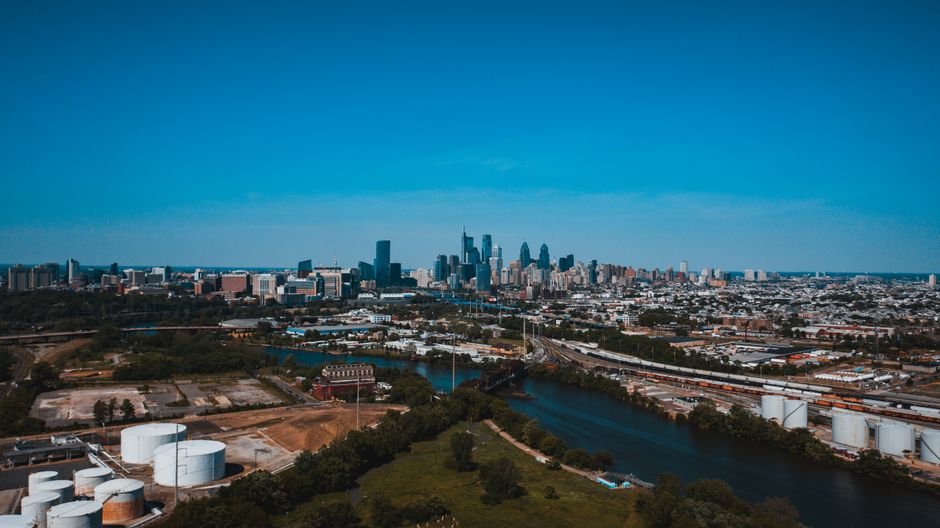
- What happened: Delaware officials assessed beach erosion and coastal damage after a nor’easter, according to WHYY on September 29, 2026.
- Who it affects: Delaware coastal homeowners, property buyers, landlords, short-term-rental operators, and real-estate investors may need to monitor access, maintenance, insurance, and property-condition issues.
- Where: The review concerns Delaware beaches and nearby coastal communities, according to WHYY on September 29, 2026.
- Source: WHYY, published September 29, 2026.
What happened with Delaware beach erosion?
According to WHYY on September 29, 2026, Delaware officials assessed coastal erosion after a nor’easter caused damage along the state’s beaches. The review focused on the condition of beaches and coastal infrastructure.
Coastal infrastructure means the public facilities that support access, drainage, transportation, and other community functions near the shore. According to WHYY on September 29, 2026, the available report does not identify the full extent of damage, repair costs, or specific decisions about construction, access, or funding.
Delaware beach erosion can affect properties differently depending on their location, distance from damaged areas, access routes, and reliance on nearby infrastructure. The current WHYY report does not establish a specific change in Delaware property values, rental demand, insurance terms, or operating costs.
Source: WHYY, published September 29, 2026.
Why does Delaware beach erosion matter to homeowners, buyers, and investors?
Delaware beach erosion may create different practical questions for a primary-residence homeowner, a buyer, or an investor operating a coastal rental. The relevant issues can depend on property condition, beach access, local infrastructure, insurance arrangements, and expected maintenance.
Could erosion increase maintenance and community costs?
Erosion and storm damage can increase the need for beach maintenance, dune work, road repairs, walkways, drainage work, or other infrastructure projects. According to WHYY on September 29, 2026, Delaware officials were reviewing beach and coastal infrastructure conditions, but the report did not state how costs would be handled.
For landlords and short-term-rental operators, possible access changes or repair activity may affect operating plans. Delaware beach erosion can make project timing, local notices, and property-specific expenses important due-diligence questions.
How could erosion affect property values and marketability?
Coastal property marketability can be influenced by beach access, shoreline conditions, road availability, and expectations about future maintenance. A property with temporary access problems may present different rental or resale considerations from a nearby property outside the affected area.
Delaware beach erosion does not automatically establish a change in a property’s value. According to WHYY on September 29, 2026, the report did not provide a specific valuation finding. Owners and investors should distinguish confirmed property conditions from broader coastal concerns.
What should investors review about insurance and financing?
Storm exposure and erosion concerns can affect how insurers evaluate coastal properties. Coverage availability, deductibles, exclusions, and renewal terms can vary by property and insurer. Investors should review current insurance requirements and operating assumptions before purchasing or refinancing a non-owner-occupied property.
Lenders may also review a property’s condition, insurance, access, and expected income when considering a business-purpose loan. These are property-specific considerations, not findings that WHYY reported as applying to every Delaware coastal property.
What due diligence should a Delaware rental investor complete?
A Delaware rental-property investor should review property condition, access, flood-related requirements, insurance costs, local restrictions, operating expenses, and expected rental demand. An appraisal is an opinion of a property’s value prepared for a lender or other defined purpose; an updated appraisal or inspection may be relevant if conditions change.
If officials identify additional damage or repairs, a transaction may take longer or require updated financial projections. According to WHYY on September 29, 2026, the assessment was still focused on understanding beach and infrastructure conditions.
What should people watch next in Delaware?
Delaware beach erosion could remain a developing issue as officials provide more information about affected beaches and coastal infrastructure. Useful updates may include:
- Additional findings from Delaware officials about affected beaches and infrastructure.
- Announcements about repairs, access restrictions, dune work, or other maintenance activity.
- Updated property-condition reports, insurance terms, or lender requirements for coastal properties.
- Evidence of changes in rental demand, operating costs, or buyer interest in affected areas.
Delaware coastal access is a central operating consideration for many shore-area rental properties.
Delaware beach erosion does not by itself establish a statewide change in property values.
Bottom line for Delaware: Delaware beach erosion is being assessed after nor’easter damage, but the available report does not yet establish the full cost or property-market impact. Investors should monitor official updates and review conditions property by property.
More Delaware coverage
- Delaware Coastal Erosion: Risks for Property Investors (September 29, 2026)
- Delaware Beach Erosion: What Coastal Investors Should Know (September 28, 2026)
- What Delaware’s Nor’easter Means for Coastal Property Investors (September 27, 2026)
Go Deeper
- Mbanc in Delaware: investment property lending across the state
- Delaware Investment Clear Approval: rental property financing, qualified on the property
- Non-QM loans for investors and the self-employed
- More Delaware mortgage and housing news for investors
- Mortgage and housing news for real-estate investors in every state
Financing for Delaware investors when the picture changes
Mortgage Bank of California dba MBANC (NMLS #38232) offers business-purpose financing in Delaware for rental-property owners, landlords, portfolio investors, short-term-rental operators, and out-of-state investors buying non-owner-occupied residential rental property. The Delaware lending team may help investors whose income or documentation does not fit a traditional bank’s process, subject to property, credit, and approval requirements.
Mbanc NMLS #38232 | Equal Housing Opportunity Lender
Frequently Asked Questions
Could Delaware beach erosion affect a coastal property’s value?
Delaware beach erosion could influence a coastal property’s marketability through changes in beach access, infrastructure, maintenance expectations, or perceived storm risk. The WHYY report published September 29, 2026 does not establish a specific value change, so Delaware property owners and investors should evaluate the property’s exact location and condition.
What should a Delaware rental-property investor review after coastal storm damage?
A Delaware rental-property investor should review access, property condition, insurance terms, flood-related requirements, operating costs, local notices, and expected rental demand after coastal storm damage. Updated inspections and financial projections may be appropriate if Delaware beach erosion or related infrastructure conditions change.
Does MBANC finance owner-occupied homes in Delaware?
No. Mortgage Bank of California dba MBANC (NMLS #38232) originates loans in Delaware only for business or investment purposes, such as loans secured by non-owner-occupied residential rental property. MBANC does not offer owner-occupied, primary-residence, or consumer mortgages in Delaware, and approval remains subject to applicable requirements.
Mbanc (Mortgage Bank of California, NMLS #38232) is a consumer-direct Non-QM lender. This content is for informational purposes only and does not constitute a commitment to lend. All loans subject to credit approval.