
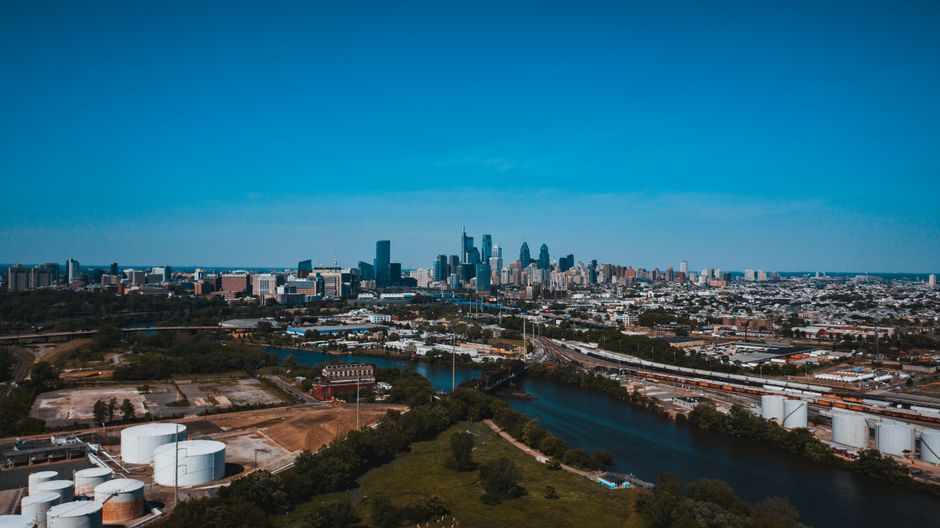
- What happened: Low-lying Delaware communities are preparing for more frequent and severe flooding as sea levels rise and storms intensify, according to The New York Times on October 20, 2026.
- Who it affects: Delaware homeowners, buyers, landlords, and real-estate investors may need more detailed property-level due diligence.
- Where: Low-lying communities across Delaware may face greater flood-preparation needs, according to The New York Times on October 20, 2026.
- Source: The New York Times, published October 20, 2026.
Why Delaware flood risk matters for property decisions
According to The New York Times on October 20, 2026, low-lying parts of Delaware are preparing for more frequent and severe flooding as sea levels rise and storms intensify. The report describes a broader need for communities to consider flood exposure and protective measures when making property and development decisions.
For property owners and investors, Delaware flood risk extends beyond whether a building flooded in the past. Drainage, elevation, access, maintenance needs, insurance availability, and the cost of future resilience improvements can affect a property’s operating outlook. According to The New York Times on October 20, 2026, the report does not identify specific Delaware properties, projects, insurance premiums, or flood forecasts.
Source: The New York Times
How can Delaware flood risk change ownership costs?
According to the story brief on October 20, 2026, flood exposure can affect the availability and price of homeowners and flood insurance. When coverage costs more, becomes harder to obtain, or requires additional review, the total cost of owning a property can rise. Owners may also face recurring expenses for drainage improvements, repairs, moisture control, or other water-related maintenance.
Delaware flood risk can affect more than a property’s purchase price.
Why investors need property-level due diligence
A Delaware rental-property investor should review elevation information, drainage patterns, access roads, prior water issues, insurance requirements, and planned resilience work before committing to a purchase. According to the story brief on October 20, 2026, these factors can influence an investment property’s expenses, tenant appeal, potential resale value, and the cash needed after closing.
Flood exposure may also affect development decisions and property values, according to the story brief on October 20, 2026. A property requiring substantial protective work may have a different risk profile from a similar property on higher ground or in an area with stronger drainage. Investors should compare expected income and expenses under realistic operating assumptions rather than relying only on a purchase price.
Why timing and documentation matter
Insurance reviews, property inspections, elevation information, and repair estimates can affect transaction timing. Investors purchasing through a business-purpose structure may also need to explain how a property will be operated and maintained. Conditions can vary by property, insurer, municipality, and lender, so early review may help identify issues before a deadline.
What should investors watch next in Delaware?
- Additional reporting on flood-preparation projects and resilience investments in Delaware communities.
- Changes in insurance availability, required coverage, or premiums for properties in flood-exposed areas.
- Property-specific elevation, drainage, inspection, and repair information during due diligence.
- Whether lenders, insurers, buyers, and investors adjust underwriting or development decisions as risk information changes.
Bottom line for Delaware: Delaware flood risk makes property-level review of elevation, drainage, insurance, and resilience costs especially important for investors evaluating low-lying communities.
Financing for Delaware investors when the picture changes
Mortgage Bank of California dba MBANC (NMLS #38232) provides business-purpose financing in Delaware for rental-property owners, landlords, portfolio investors, short-term-rental operators, and out-of-state investors buying non-owner-occupied residential rental property. Delaware investors should review a property’s insurance, condition, and projected operating needs early. Explore Delaware investment-property lending options.
More Delaware coverage
- Delaware Nor’easter Flooding and Real Estate Risks (October 19, 2026)
- Delaware Nor’easter Property Damage: Key Risks to Know (October 18, 2026)
- Delaware Home Prices Rise as September Sales Activity Slows (October 17, 2026)
Go Deeper
Mbanc NMLS #38232 | Equal Housing Opportunity Lender
Frequently Asked Questions
How can Delaware flood risk affect a rental property investment?
Delaware flood risk can affect insurance availability and cost, maintenance needs, development decisions, operating expenses, and potentially property value. Delaware rental-property investors should review elevation, drainage, prior water issues, insurance requirements, and resilience costs for each property before making an investment decision.
What should Delaware investors review before buying in a low-lying area?
Delaware investors should review property-specific elevation and drainage information, insurance requirements, inspection findings, access, repair estimates, and available information about planned resilience work. These Delaware property details can affect transaction timing, operating expenses, required cash, and long-term investment returns.
Does Mbanc finance owner-occupied homes in Delaware?
No. In Delaware, Mortgage Bank of California dba MBANC (NMLS #38232) originates loans only for business or investment purposes, such as loans secured by non-owner-occupied residential rental property. MBANC’s Delaware offering is for eligible investors and business-purpose borrowers, not primary-residence or consumer mortgages.
Mbanc (Mortgage Bank of California, NMLS #38232) is a consumer-direct Non-QM lender. This content is for informational purposes only and does not constitute a commitment to lend. All loans subject to credit approval.