

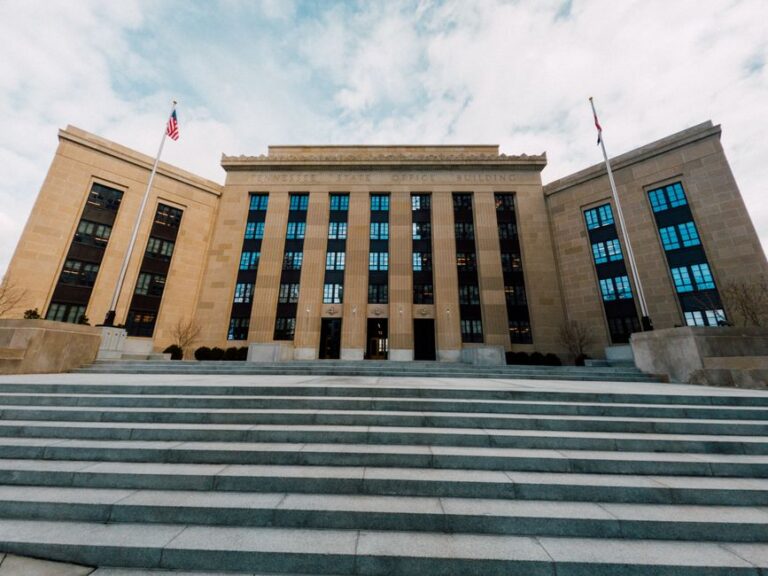
- What happened: The Federal Reserve raised interest rates after a period of stability, according to Pulsar market watch on September 17, 2026.
- Who it affects: United States homeowners, homebuyers, borrowers with adjustable-rate debt, and real-estate investors may need to reassess financing decisions.
- Where: The story concerns the United States national housing and credit markets.
- Source: Pulsar market watch, published September 17, 2026.
What happened with the Federal Reserve rate hike?
According to Pulsar market watch on September 17, 2026, citing Reuters, the Federal Reserve raised interest rates while shares climbed, bonds held ground, and short-term yields edged higher. The decision marked a shift in the federal interest-rate environment after a period of stability.
The federal funds rate does not directly set every mortgage rate. According to the explanation in Pulsar market watch on September 17, 2026, changes in the federal interest-rate environment can influence the broader cost of credit and the yields investors expect from different types of debt. Mortgage pricing also depends on loan type, borrower qualifications, loan-to-value ratio, market conditions, and lender requirements.
According to Pulsar market watch on September 17, 2026, the rate increase could affect borrowing costs, housing demand, refinancing activity, and real-estate investment. Borrowers with adjustable-rate debt may face additional payment pressure as loan terms reset, depending on the terms of their agreements.
Source: Pulsar market watch
Why does the Federal Reserve rate hike matter for United States housing?
What should homeowners with adjustable-rate debt know?
An adjustable-rate mortgage or other variable-rate debt can have a payment that changes when the loan resets. An adjustable-rate loan is a loan whose interest rate can change under terms set in the loan agreement. The exact effect depends on the loan’s index, margin, adjustment schedule, caps, and remaining balance. Homeowners should review loan documents and ask their servicer when the next adjustment may occur.
United States housing costs can become more sensitive when adjustable-rate debt resets. According to Pulsar market watch on September 17, 2026, borrowers with adjustable-rate debt may face additional payment pressure as financing conditions change.
How could higher borrowing costs affect homebuyers?
According to Pulsar market watch on September 17, 2026, higher borrowing costs can weigh on housing demand. A buyer qualifying at a similar monthly budget may qualify for a smaller loan amount, depending on income, debts, credit history, assets, loan structure, and current pricing.
Possible responses include considering a lower purchase price, making a larger down payment, or choosing a different property. A preapproval should be refreshed when financing conditions change. Local inventory, employment conditions, household demand, property taxes, insurance costs, and seller expectations also influence affordability.
United States housing affordability depends on more than the federal funds rate. Buyers should evaluate the full monthly housing cost rather than focusing only on the federal interest-rate environment.
What does the rate increase mean for refinancing and investors?
A higher-rate environment can make refinancing less attractive if a new loan does not create a clear benefit after closing costs and changes in payment. According to Pulsar market watch on September 17, 2026, the rate increase may affect refinancing activity and real-estate investment.
Real-estate investors may need to reassess projected cash flow, leverage, vacancy assumptions, and purchase timing. Investors using adjustable-rate or other variable-rate financing should stress-test plans for higher payments. Taxes, insurance, maintenance, reserves, and property management costs also belong in a transaction review. Financing costs are one part of an investment decision, not a guarantee of future property performance.
Higher borrowing costs can change the financing assumptions behind United States real-estate investments.
What should people watch after the rate increase?
- Updates from the Federal Reserve about the path of monetary policy.
- Changes in short-term yields and broader credit-market conditions.
- Mortgage pricing and lender qualification requirements.
- United States housing demand, inventory, refinancing activity, and investor transaction volume.
How can investors review financing when conditions change?
Mortgage Bank of California dba MBANC (NMLS #38232) offers financing options for investors, self-employed entrepreneurs, business owners, contractors, retirees, and international buyers whose income or assets may not fit a traditional bank’s documentation model. Owner-occupied programs are available in the states where Mbanc is licensed for consumer lending, while investment-property financing is available nationwide.
For United States investors, nationwide investment-property financing can support a review of changing financing conditions.
Bottom line for United States: The Federal Reserve rate hike may raise borrowing costs and add pressure to adjustable-rate debt. United States homeowners, buyers, and investors should review loan terms, affordability, and transaction assumptions before making financing decisions.
More national housing coverage
- Federal Reserve Rate Increase Housing Impact in United States (September 17, 2026)
- Fed Rate Hike Mortgage Rates United States Outlook (September 16, 2026)
- Fed Inflation Warning Housing Outlook Across the United States (September 23, 2026)
Go Deeper
Mbanc NMLS #38232 | Equal Housing Opportunity Lender
Frequently Asked Questions
What is the Federal Reserve rate hike housing impact in the United States?
The Federal Reserve rate hike housing impact in the United States may include higher borrowing costs, pressure on adjustable-rate payments, and changes in housing demand, refinancing activity, and real-estate investment. According to Pulsar market watch on September 17, 2026, the decision shifted the federal interest-rate environment after a period of stability.
Will the Federal Reserve rate increase automatically change a fixed-rate mortgage?
No. A fixed-rate mortgage generally keeps its contractual interest rate unchanged after the Federal Reserve raises rates. However, other borrowing costs and new mortgage pricing may respond to broader market conditions. The loan documents for an existing United States mortgage control its terms, including the contractual interest rate.
Could an adjustable-rate mortgage payment increase after the Federal Reserve rate hike?
It could. An adjustable-rate mortgage payment may increase depending on the loan’s index, margin, adjustment schedule, caps, and current rate at the time of reset. United States borrowers should review their loan documents and contact their servicer before an adjustment date to understand the applicable terms.
Should United States buyers or investors delay buying or refinancing?
There is no universal answer for United States buyers or investors. Compare the complete transaction cost, expected time in the property, cash reserves, income stability, financing options, and investment assumptions. A lender can explain available terms without predicting future rates, while borrowers remain responsible for evaluating their circumstances.
Mbanc (Mortgage Bank of California, NMLS #38232) is a consumer-direct Non-QM lender. This content is for informational purposes only and does not constitute a commitment to lend. All loans subject to credit approval.