
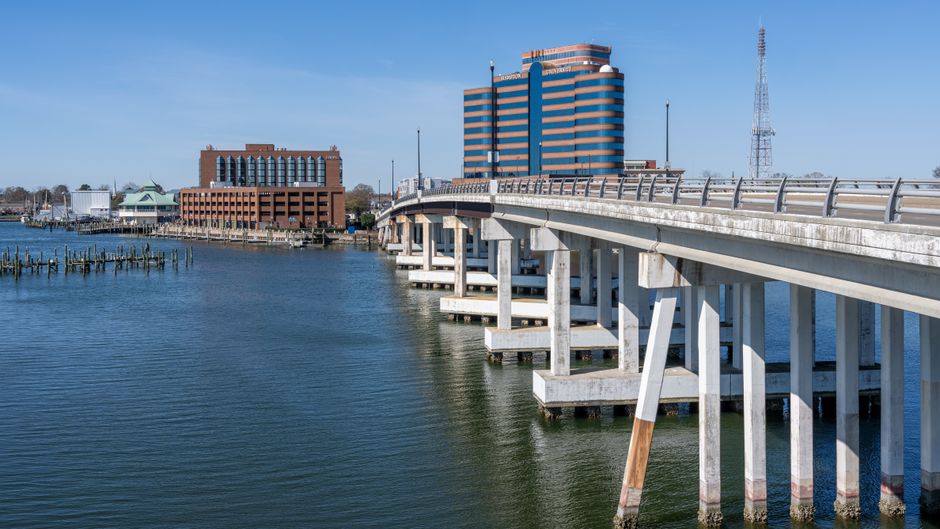
- What happened: A nor’easter brought coastal flooding and hazardous conditions to Hampton Roads and the Outer Banks.
- Who it affects: Virginia homeowners, homebuyers, and property investors in exposed coastal communities.
- Where: Hampton Roads, Virginia’s coast, and the Eastern Shore, including Chincoteague.
- Source: WAVY.com, published September 26, 2026.
What happened in Hampton Roads flooding?
According to WAVY.com on September 26, 2026, a nor’easter moved through the region and caused coastal flooding and dangerous conditions in Hampton Roads and the Outer Banks. Related reports cited by WAVY.com on September 26, 2026, said high tides closed the Chincoteague Causeway, submerged docks, and left thousands without power in Hampton Roads.
Hampton Roads flooding can affect more than the period of the storm. Floodwater, strong winds, and extended power interruptions can affect homes, roads, utilities, businesses, and access to properties. The extent of damage can vary by location, elevation, construction, and duration of exposure.
Hampton Roads flooding can turn property access and insurance review into immediate priorities.
For owners and buyers, practical next steps include documenting visible damage, contacting the appropriate insurance providers, keeping repair records, and monitoring local instructions about roads and utilities. Buyers and investors considering a coastal property may also need to review flood risk, insurance availability, property condition, and lender requirements before closing.
Source: WAVY.com
Why does Hampton Roads flooding matter for Virginia property owners?
What should homeowners review after flooding?
Flooding and wind can damage roofs, siding, electrical systems, flooring, foundations, vehicles, and personal property. Power outages can also create secondary problems, such as spoiled food or temporary loss of heating, cooling, and security systems. Homeowners should check their policies and document conditions with photos, videos, receipts, and contractor records. Coverage depends on the policy and type of damage, so an insurance representative can explain what applies.
What should buyers check before purchasing a coastal property?
A property that has experienced repeated coastal flooding may require closer review of prior repairs, drainage, elevation, flood mitigation, and insurance options. Flood insurance is coverage for flood damage that is separate from many standard homeowners policies. Availability and cost can depend on the property’s location and risk characteristics. A buyer should ask questions before making an offer or committing to a closing timeline.
Hampton Roads flooding makes property condition and insurance history important parts of coastal due diligence.
How can flooding affect Virginia property investors?
For an investment property, storm damage or road closures can interrupt rentals, maintenance, inspections, and property management. Repeated events may also influence how future buyers evaluate the property and how insurers, appraisers, or lenders assess risk. That does not determine any individual property’s value or financing outcome, but it makes property-level due diligence especially important in Hampton Roads and other Virginia coastal areas.
What financing issues can follow a coastal event?
When a property is in an exposed area, a lender may require evidence of adequate insurance, satisfactory property condition, or repairs before completing a loan. Flooding can also affect appraisal timing and the documentation needed for a refinance or purchase. These requirements are case-specific and may change after an event, so borrowers should allow time for inspections, insurance review, and repairs.
What should Virginia owners, buyers, and investors watch next?
- Local updates on roads, the Chincoteague Causeway, utilities, and public access.
- Insurance inspections, claim decisions, and documented repair needs.
- Whether a property requires flood insurance, additional documentation, or repairs for financing.
- How buyers, appraisers, insurers, and lenders evaluate properties with repeated coastal exposure.
According to WAVY.com on September 26, 2026, high tides closed the Chincoteague Causeway and flooding affected coastal areas. Property owners should use official local updates and their insurance representatives for current, situation-specific guidance.
Bottom line for Hampton Roads: The September 26, 2026, nor’easter shows why coastal property decisions should account for damage, access, insurance, and financing documentation. Hampton Roads owners, buyers, and investors should evaluate each property individually.
More Virginia coverage
- Virginia Beach Coastal Flooding: What Property Owners Should Know (September 26, 2026)
- Virginia Beach Nor’easter Flooding: Home Impacts (September 25, 2026)
- Virginia Home Sales Trends: August Market Context (September 24, 2026)
Go Deeper
Mbanc NMLS #38232 | Equal Housing Opportunity Lender
Frequently Asked Questions
Does Hampton Roads flooding affect an existing mortgage?
Hampton Roads flooding does not automatically change an existing mortgage, but damage, insurance issues, or an attempted refinance may create documentation and property-condition concerns. Mortgage borrowers should contact their servicer and insurer for situation-specific guidance, because coverage, repair status, and loan requirements can differ by property and circumstance.
Should Virginia buyers wait after Hampton Roads flooding to purchase a coastal property?
Virginia buyers should not rely on a universal waiting period after Hampton Roads flooding. Buyers should verify the property’s condition, repair history, insurance options, access, and any lender requirements before deciding on timing. The appropriate decision depends on the property, available documentation, and the buyer’s circumstances.
Can investors finance a property in Hampton Roads after flooding?
Investors may be able to finance a property in Hampton Roads after flooding. Approval depends on the investor, property, insurance, condition, documentation, and other loan factors. Mortgage Bank of California dba MBANC (NMLS #38232) is licensed in Virginia for investment-property lending as well as owner-occupied mortgages.
Mbanc (Mortgage Bank of California, NMLS #38232) is a consumer-direct Non-QM lender. This content is for informational purposes only and does not constitute a commitment to lend. All loans subject to credit approval.