
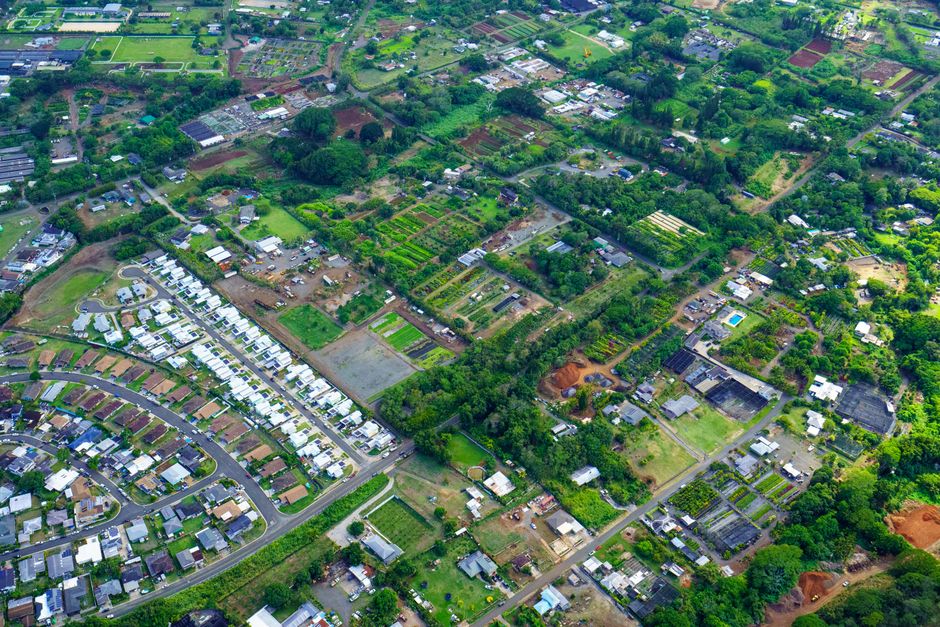

- What happened: Hawaii is removing or reducing barriers that have delayed factory-built housing projects.
- Who it affects: Homeowners, homebuyers, landlords, developers, and real-estate investors.
- Where: Hawaii.
- Source: Hawaii Tribune-Herald, published November 15, 2026
What happened
According to the Hawaii Tribune-Herald, Hawaii is removing or reducing barriers that have delayed factory-built housing projects. Those changes could open the way for additional developments across the state.
Factory-built construction generally involves producing some or much of a building away from the final homesite before transporting and assembling it there. That approach can change the construction timeline and may reduce certain building costs, although the final result depends on the project, site, transportation, installation, and approval requirements.
The Hawaii Tribune-Herald reports that projects are moving closer to construction, but the summary does not identify a specific project, construction schedule, cost reduction, or number of planned homes. Those details matter because a policy or approval change does not automatically create completed housing. Developers still need suitable land, financing, infrastructure, contractors, and local approvals.
Source: Hawaii Tribune-Herald
Why it matters for Hawaii homeowners, buyers, and investors
More potential supply, but not immediate relief
Additional factory-built housing could eventually give Hawaii households more choices. More supply can ease competition for some properties, but the effect will depend on how many homes are actually built, where they are located, and whether they are offered at prices local households can afford. Projects that are only moving through planning will not change today’s inventory or pricing by themselves.
Construction costs and project feasibility
Factory-built methods may reduce some construction costs by allowing work to occur in a controlled setting. However, Hawaii projects can still face expenses tied to land, site preparation, utilities, shipping, installation, insurance, and financing. Investors evaluating a rental development should consider the full project budget rather than assuming factory production will make every property less expensive.
What it could mean for rental-property investors
New rental housing could create opportunities for landlords and portfolio investors, particularly in areas where demand remains strong. It could also increase competition for existing rentals if enough new units enter the market. Investors should assess rents, vacancy risk, operating costs, property management, zoning, and the expected completion timeline before committing capital.
Approvals and timing still matter
The reported reduction of barriers may improve the path for developers, but local approvals and infrastructure requirements can still affect when a project begins and when units become available. For buyers and sellers, that means the market impact may develop gradually rather than all at once.
What to watch next
- Specific projects receiving final approvals or moving into construction.
- Whether developers secure land, project financing, and required infrastructure.
- Published information about projected unit counts, prices, rents, and completion dates.
- How new factory-built units affect local rental supply and property competition.
Financing for Hawaii investors when the picture changes
Mbanc originates business-purpose loans in Hawaii for real-estate investors, including landlords, portfolio investors, short-term-rental operators, and out-of-state investors buying rental property. Our Hawaii investment lending options may help qualified borrowers who do not fit a traditional bank’s requirements, subject to credit approval and property details.
More Hawaii coverage
- What Kauai’s Extended Hurricane Lowell Emergency Period Means (November 14, 2026)
- Honolulu Real Estate Investors: What Makiki’s Project Means (November 13, 2026)
- Hawaii Power Shutoffs: Maui and Hawaii Island Property Guide (November 12, 2026)
Go Deeper
Mbanc NMLS #38232 | Equal Housing Opportunity Lender
Frequently Asked Questions
Will factory-built housing immediately lower Hawaii home prices?
Not necessarily. According to the Hawaii Tribune-Herald, the changes may help additional projects move forward, but the effect on prices will depend on completed supply, location, demand, project costs, and local approvals.
What should a Hawaii rental-property investor evaluate?
Review the property’s location, projected rents, vacancy assumptions, operating costs, insurance, zoning, construction timeline, total development budget, and financing terms. Factory-built construction may reduce some costs, but it does not remove other project risks.
Can Mbanc finance an owner-occupied home in Hawaii?
No. In Hawaii, Mbanc originates loans only for business or investment purposes, such as loans secured by non-owner-occupied residential rental property. Mbanc does not offer owner-occupied, primary-residence, or consumer mortgages in Hawaii.
Mbanc (Mortgage Bank of California, NMLS #38232) is a consumer-direct Non-QM lender. This content is for informational purposes only and does not constitute a commitment to lend. All loans subject to credit approval.