
- What happened: According to the Rock Hill Herald on October 9, 2026, Category 2 Hurricane Isaias could bring heavy rain, gusty winds, and flooding to South Carolina.
- Who it affects: South Carolina homeowners, homebuyers, and investment-property owners may face property, insurance, and transaction concerns.
- Where: According to the Rock Hill Herald on October 9, 2026, impacts could reach South Carolina areas outside the hurricane’s direct path, including low-lying and coastal areas.
- Source: Rock Hill Herald, published October 9, 2026.
What is the Hurricane Isaias South Carolina risk?
According to the Rock Hill Herald on October 9, 2026, a National Hurricane Center update said Category 2 Hurricane Isaias was moving toward the Gulf Coast and could bring heavy rain, gusty winds, and flooding to South Carolina. The report said storm effects could reach areas outside the hurricane’s direct path.
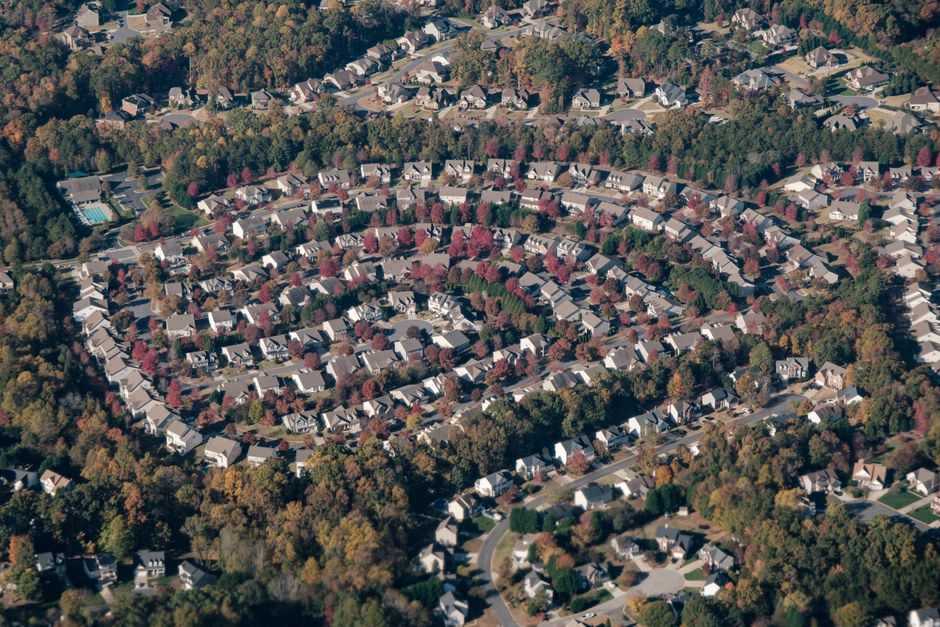
South Carolina flooding can affect homes, roads, travel, and property transactions even when a property is not directly damaged. According to the Rock Hill Herald on October 9, 2026, rainfall, wind, and flooding could damage homes, disrupt travel, and increase insurance claims, particularly in low-lying and coastal areas.
South Carolina flooding can affect properties outside a hurricane’s direct path.
Storm conditions may delay an inspection, appraisal, walk-through, or closing when roads are unsafe or access to a property is limited. If a property has damage, the parties and insurance providers may need time to determine whether repairs or additional review are necessary before a transaction proceeds.
Source: Rock Hill Herald
Why does Hurricane Isaias matter for South Carolina homeowners, buyers, and investors?
What should South Carolina homeowners watch?
According to the Rock Hill Herald on October 9, 2026, heavy rain and wind could contribute to damage involving roofs, siding, windows, drainage, and trees. Flooding could also affect lower levels, crawl spaces, driveways, and other areas that may not be covered by a standard homeowners policy. Coverage depends on the policy and circumstances, so homeowners should review insurance information and contact their insurer with questions.
After conditions are safe, homeowners can document visible damage with photographs and keep records of repairs and communications. Unsafe repairs should wait until conditions permit. Local emergency instructions take priority.
South Carolina homeowners should treat local warnings as the first source for storm safety decisions.
Can a storm delay South Carolina homebuyers?
For a buyer under contract, storm-related damage can change the property’s practical condition and the timing of the purchase. A lender, insurer, appraiser, or other transaction participant may request additional information if the property is damaged or access is restricted. Buyers should communicate promptly with their real-estate and lending teams instead of assuming a scheduled milestone will proceed normally.
According to the Rock Hill Herald on October 9, 2026, South Carolina properties outside Hurricane Isaias’ direct path could still experience heavy rain or localized flooding. Buyers should review available property information, ask about prior damage when appropriate, and understand insurance requirements before completing a purchase.
What should South Carolina investors consider?
Owners of rental or other investment properties may need to consider tenant safety, access, repairs, vacancy, and temporary interruptions to rental operations. According to the Rock Hill Herald on October 9, 2026, low-lying and coastal locations may face particular exposure to flooding, so investors should monitor conditions and review insurance coverage.
Investors evaluating a purchase should account for inspection timing, property condition, and the possibility that storm effects could delay renovation or occupancy plans.
What should South Carolina property owners watch next?
- Updated National Hurricane Center information and local South Carolina warnings.
- Rainfall, wind, and flooding conditions in low-lying and coastal communities.
- Reports of property damage, road closures, and travel disruptions.
- Insurance, inspection, appraisal, and closing updates for affected properties.
Bottom line for South Carolina: Hurricane Isaias could bring rain, wind, flooding, and property-related disruption beyond the storm’s direct path. Homeowners, buyers, and investors should follow local warnings and confirm property and transaction conditions before taking action.
How can South Carolina investors review financing when conditions change?
When a storm changes a property’s condition or disrupts a borrower’s income documentation, Mortgage Bank of California dba MBANC (NMLS #38232) offers Non-QM loan programs for South Carolina homebuyers, homeowners, self-employed entrepreneurs, business owners, contractors, investors, and retirees whose circumstances do not fit a traditional bank’s process. MBANC is licensed for owner-occupied and investment-property lending in South Carolina. Learn more about financing across South Carolina.
More South Carolina coverage
- Anderson County South Carolina Housing and Growth Outlook (October 8, 2026)
- South Carolina Storm Impacts: What Property Owners Should Know (October 7, 2026)
- South Carolina Foreclosure Activity: What Buyers Should Know (October 6, 2026)
Go Deeper
MBANC NMLS #38232 | Equal Housing Opportunity Lender
Frequently Asked Questions
Can Hurricane Isaias delay a South Carolina home closing?
Yes. Hurricane Isaias could delay a South Carolina home closing when wind, rain, flooding, unsafe roads, or restricted property access disrupt scheduling. According to the Rock Hill Herald on October 9, 2026, a damaged property or unavailable road may require additional review by the buyer, lender, insurer, or other transaction participants.
Does being outside Hurricane Isaias’ direct path eliminate South Carolina flood concerns?
No. Being outside Hurricane Isaias’ direct path does not eliminate South Carolina flood concerns. According to the Rock Hill Herald on October 9, 2026, South Carolina could experience heavy rain and flooding beyond the direct path. Buyers and owners should monitor local warnings and evaluate conditions for the specific property.
What should South Carolina property owners do after Hurricane Isaias?
After local authorities say it is safe, South Carolina property owners should document visible damage, contact their insurer with questions, and coordinate needed inspections or repairs. Property owners should keep records of damage, repairs, and communications, while following local emergency guidance before entering or working on a damaged property.
Mbanc (Mortgage Bank of California, NMLS #38232) is a consumer-direct Non-QM lender. This content is for informational purposes only and does not constitute a commitment to lend. All loans subject to credit approval.