

- What happened: Idaho entered a new water year after exceptionally low snowpack, according to Boise Dev on October 5, 2026.
- Who it affects: Idaho homeowners, homebuyers, farmers, businesses, and real-estate investors may need to review local water and wildfire conditions.
- Where: Idaho is the region discussed, and Boise Dev reported effects already visible across the state on October 5, 2026.
- Source: Boise Dev, published October 5, 2026.
What does Idaho low snowpack mean for property owners?
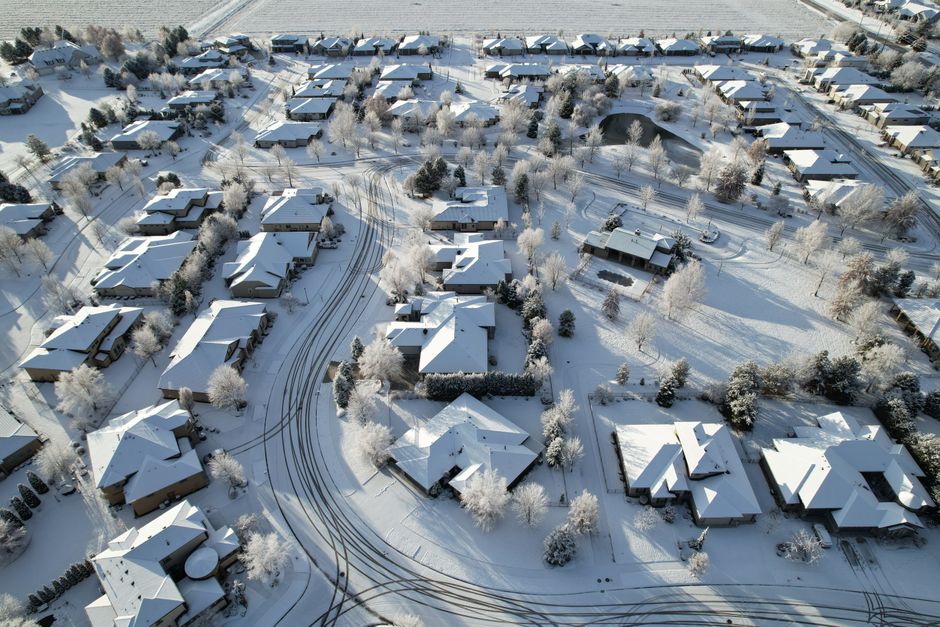
According to Boise Dev on October 5, 2026, Idaho is beginning a new water year after exceptionally low snowpack, with effects already visible across the state. Snowpack is accumulated mountain snow that can provide seasonal water as it melts. Reduced snowpack may tighten supplies for homes, farms, and businesses and create more uncertainty about water conditions during the year.
Idaho low snowpack can make water reliability a property-planning issue. Mountain snow can act as a seasonal water reserve, while runoff from melting snow can support water supplies. When that reserve is unusually small, the effect may differ by location, water system, property type, and the severity and duration of dry conditions.
Idaho low snowpack can make water access an important property-planning question.
According to Boise Dev on October 5, 2026, reduced snowpack may also increase drought and wildfire risks. Those conditions may affect property values, insurance costs, and decisions about future development in vulnerable areas. The source does not provide a property-by-property valuation forecast or identify specific restrictions.
Source: Boise Dev
Why does Idaho low snowpack matter for homeowners, buyers, and investors?
How could water reliability affect household planning?
For Idaho homeowners and homebuyers, tighter water supplies can make local water conditions part of household planning. A buyer may want to understand whether a property receives water through a public system or private arrangements and whether local officials or providers have announced restrictions. According to Boise Dev on October 5, 2026, conditions are visible across Idaho, but the story does not identify specific restrictions.
Water uncertainty may also affect expenses. If drought conditions lead to conservation measures or changes in local service costs, household budgets may need room for variable expenses. These considerations are separate from the mortgage payment, but they can influence how much total housing cost a buyer can comfortably carry.
Could drought and wildfire risks affect insurance?
According to Boise Dev on October 5, 2026, reduced snowpack may increase drought and wildfire risks. For Idaho homeowners and buyers, insurance availability, coverage terms, deductibles, and renewal conditions may therefore deserve early attention. Insurance costs and coverage decisions are determined by the insurer and the property’s characteristics, so impacts will not be the same throughout Idaho.
A lender typically needs evidence of acceptable property insurance before closing. Buyers should request insurance information early when considering property in an area that may be more exposed to wildfire or other climate-related risks. Investors should also include insurance and maintenance assumptions when evaluating expected property performance.
Idaho wildfire exposure can make property-specific insurance review important before closing.
What could change property values or development decisions?
Water access, wildfire exposure, and insurance conditions can affect how people compare properties. If a location faces greater uncertainty, some buyers may adjust timing, offer terms, or preferred areas. Investors may also review whether a property can support its intended use and whether local conditions could affect future demand.
That does not mean every Idaho property will lose value or become harder to finance. According to Boise Dev on October 5, 2026, the reported effects are statewide, but the source does not offer a valuation forecast for individual properties. Local water providers, county agencies, insurers, and planning departments can provide more relevant information for a specific address.
What should Idaho property owners watch next?
- Updates from local water providers about supply conditions, conservation measures, or restrictions.
- Changes in drought and wildfire assessments for the county where a property is located.
- Insurance quotes, renewals, coverage terms, and deductibles for properties in higher-risk areas.
- Local planning or development decisions that address water availability and long-term growth.
These checks can help Idaho homeowners, homebuyers, and investors separate statewide reporting from address-specific conditions. The available information does not establish how any particular property will be affected.
Bottom line for Idaho: Idaho low snowpack may increase uncertainty around water supplies, wildfire exposure, insurance, property values, and development decisions. Property owners and buyers should verify conditions for the specific location.
More Idaho coverage
- Idaho Property Tax Measures and Housing Costs (October 4, 2026)
- Boise Housing Demand: What Micron’s Idaho Expansion Means (October 3, 2026)
- Boise Idaho Housing Market: What Micron Results Mean (October 2, 2026)
Go Deeper
What financing options are available for Idaho investors, homeowners, and buyers?
Mortgage Bank of California dba MBANC (NMLS #38232) offers Non-QM loan programs for Idaho owner-occupied buyers, homeowners, and investment-property borrowers whose income or financial profile does not fit standard underwriting. The offer may be relevant to self-employed entrepreneurs, business owners, contractors, investors, and retirees. Learn more through MBANC’s Idaho lending resources.
Mbanc NMLS #38232 | Equal Housing Opportunity Lender
Frequently Asked Questions
How can Idaho low snowpack affect Idaho homeowners?
Idaho low snowpack may tighten water supplies and increase drought and wildfire risks for Idaho homeowners. According to Boise Dev on October 5, 2026, Idaho entered a new water year after exceptionally low snowpack. The effect on a specific home depends on its location, water system, property characteristics, and local conditions.
Could Idaho low snowpack affect Idaho property insurance?
Idaho low snowpack may affect property insurance questions in areas with greater wildfire exposure, although the effect will vary by property and insurer. According to Boise Dev on October 5, 2026, reduced snowpack may increase drought and wildfire risks. Idaho buyers should obtain property-specific quotes and review coverage terms, deductibles, availability, and renewal conditions.
Should Idaho buyers delay purchasing an Idaho property?
Idaho buyers should not assume that low snowpack requires delaying every purchase. Idaho buyers can review local water conditions, wildfire exposure, insurance, property costs, and financing before deciding when and where to buy. According to Boise Dev on October 5, 2026, statewide effects are visible, but the source does not forecast conditions for a specific property.
Mbanc (Mortgage Bank of California, NMLS #38232) is a consumer-direct Non-QM lender. This content is for informational purposes only and does not constitute a commitment to lend. All loans subject to credit approval.