
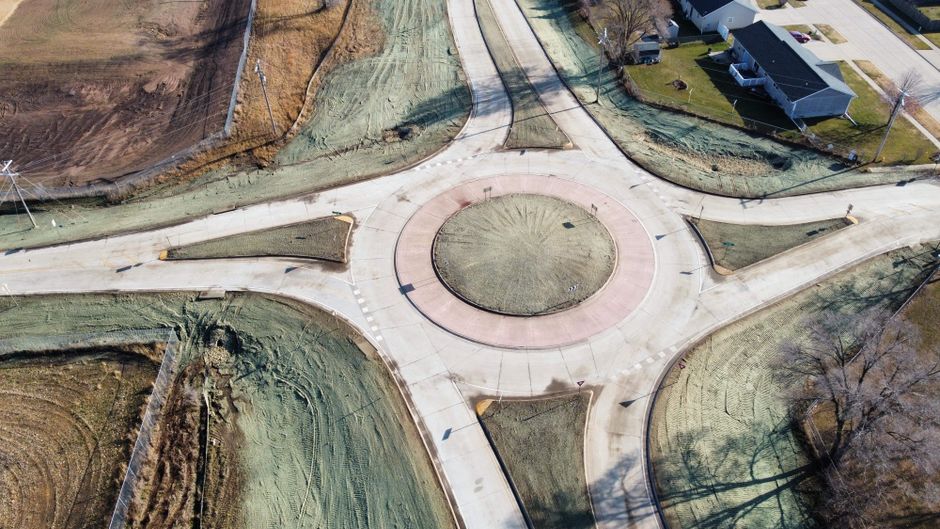

- What happened: According to The Des Moines Register on October 1, 2026, Iowa lawmakers were told a proposed steel plant could receive about $1.36 billion in state tax credits.
- Who it affects: The proposal could affect Iowa taxpayers, homeowners, buyers, landlords, investors, and communities near the proposed project.
- Where: The proposed project is in Iowa.
- Source: The Des Moines Register, published October 1, 2026.
What are Iowa steel plant tax credits, and what happened?
According to The Des Moines Register on October 1, 2026, Iowa lawmakers were told that a proposed $15 billion steel plant could receive about $1.36 billion in state tax credits. Legislators are considering raising the incentive cap to accommodate the proposed project. A tax credit reduces taxes under specified rules, but the proposal is not the same as a completed plant or a guaranteed economic outcome.
According to The Des Moines Register on October 1, 2026, the proposed project could involve a substantial public incentive. Its eventual effects on jobs, population, tax collections, and housing demand would depend on whether the project moves forward and meets its targets.
Iowa steel plant tax credits could affect real-estate markets through employment, supplier activity, and household growth if construction and operations proceed. New employment can bring workers and households into a region. Businesses that support the plant can also increase demand for housing, services, and commercial space. Those effects would depend on project timing, hiring, construction progress, and the locations selected by workers and suppliers.
Source: The Des Moines Register, published October 1, 2026.
Why could Iowa steel plant tax credits affect housing demand?
Housing demand could rise if the project advances
If the proposed plant is built and brings substantial employment, nearby Iowa communities could see stronger demand for rentals and homes. Existing homeowners may benefit from additional demand, while stronger demand could also make it harder for buyers to find suitable housing or for renters to find affordable units. Construction workers, permanent employees, contractors, and suppliers could create different housing needs at different stages.
Iowa housing demand would not necessarily change evenly across the state. Workers could choose housing based on commute times, available services, and rental supply. A proposed project could therefore affect nearby communities differently from markets farther away, even if the project creates broader employment and population effects.
Iowa housing demand depends on project progress, local supply, and worker location.
What uncertainty do the tax incentives create?
The reported size of the proposed credit package matters because state tax credits can affect public revenues and the state’s fiscal outlook. According to The Des Moines Register on October 1, 2026, lawmakers are weighing a higher incentive cap. The actual effect on taxpayers and public services would depend on the final policy, the credit structure, project performance, and whether the plant proceeds.
That uncertainty can matter to investors evaluating Iowa property. A projected increase in rents or values should not be based only on an announced proposal. Investors should separate confirmed development milestones from legislative discussions and evaluate properties using current income, expenses, insurance, taxes, and vacancy assumptions.
Iowa’s proposed steel plant is an opportunity to monitor, not a guaranteed housing-market outcome.
What should Iowa homeowners and buyers watch?
Homeowners and buyers in Iowa may see different effects depending on proximity to the project and local housing supply. Possible changes include increased competition for rentals, more demand for short-term accommodations during construction, and pressure for additional roads, utilities, and services. None of those outcomes is guaranteed by the proposal alone.
Landlords and portfolio investors can focus on current rental supply, vacancy conditions, commuting patterns, infrastructure, and whether local housing construction is keeping pace. A delayed project may produce less near-term demand than an active construction schedule would suggest.
What should investors watch next in Iowa?
- Whether Iowa lawmakers approve a change to the state tax-credit cap.
- Whether the proposed steel plant receives additional approvals and reaches construction milestones.
- Whether hiring, supplier activity, and population movement appear near the proposed project.
- Whether local rental listings, vacancy, home prices, and new housing permits change.
Bottom line for Iowa: The proposed steel plant could support housing demand if it advances, but Iowa steel plant tax credits and project timing remain uncertain. Investors should base decisions on current property performance and confirmed milestones rather than the proposal alone.
More Iowa coverage
- Iowa Flood Risk: What Heavy Rain Means for Property Owners (October 1, 2026)
- Iowa Steel Mill Tax Incentives and Property Demand (September 30, 2026)
- Iowa steel project Lee County housing outlook and impact (September 29, 2026)
Go Deeper
Financing for Iowa investors when the picture changes
Mortgage Bank of California dba MBANC (NMLS #38232) provides business-purpose financing in Iowa for real-estate investors, including rental-property owners, landlords, portfolio investors, short-term-rental operators, and out-of-state investors buying Iowa property. Learn more about Iowa investment-property lending for business-purpose borrowers who may not fit traditional bank guidelines. Mortgage Bank of California dba MBANC does not offer owner-occupied, primary-residence, or consumer mortgages in Iowa.
Mbanc NMLS #38232 | Equal Housing Opportunity Lender
Frequently Asked Questions
Could Iowa steel plant tax credits increase Iowa housing demand?
They could if the proposed Iowa steel plant advances, creates employment, and attracts workers or suppliers. Iowa housing demand would depend on the plant’s progress, location, hiring, commuting patterns, and available housing supply. The proposed tax credits alone do not guarantee higher rents, home prices, population, or employment.
Should Iowa investors buy property based on Iowa steel plant tax credits?
No. Iowa investors should not treat Iowa steel plant tax credits or the proposed project as a guaranteed increase in rents or property values. Iowa investors can evaluate current property income, expenses, vacancy, taxes, insurance, local supply, and confirmed project milestones before making a business or investment decision.
Does Mortgage Bank of California dba MBANC offer home loans for Iowa residents?
No. In Iowa, Mortgage Bank of California dba MBANC originates loans only for business or investment purposes, such as loans secured by non-owner-occupied residential rental property. Mortgage Bank of California dba MBANC does not offer owner-occupied, primary-residence, or consumer mortgages in Iowa.
Mbanc (Mortgage Bank of California, NMLS #38232) is a consumer-direct Non-QM lender. This content is for informational purposes only and does not constitute a commitment to lend. All loans subject to credit approval.