
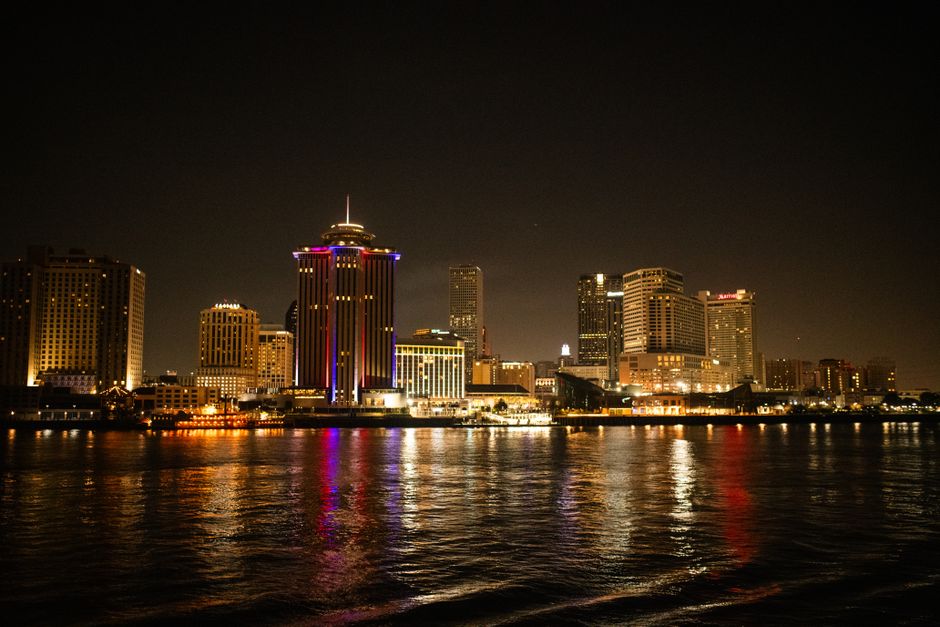

- What happened: Hurricane Isaias produced gusty winds, heavy rain, coastal flooding and localized impacts across southeast Louisiana, according to WDSU on October 10, 2026.
- Who it affects: Homeowners, property owners, landlords, investors and communities in affected Louisiana parishes may need to assess conditions.
- Where: Southeast Louisiana, including low-lying communities in and around the New Orleans region, experienced reported coastal and localized impacts.
- Source: WDSU, published October 10, 2026
What happened in southeast Louisiana?
According to WDSU on October 10, 2026, Hurricane Isaias produced gusty winds, heavy rain, coastal flooding and localized impacts across southeast Louisiana as the storm moved inland after making landfall near Destin, Florida.
Louisiana storm property damage can involve separate wind, water and power-related conditions. Heavy rain and coastal flooding may affect structures, contents, yards, roads and access points. Wind can damage exterior components and allow water to enter a property. Power interruptions can affect habitability, security systems, pumps and other property operations.
WDSU reported on October 10, 2026, that impacts varied by parish and location. Low-lying communities may experience access or utility disruptions even when a building has limited visible damage. Rental-property investors should check the physical condition of each property and whether tenants, contractors, insurers or emergency personnel can safely reach it.
Documentation is an important early step after a storm. Property owners can record conditions with photographs and video, keep receipts for eligible work, and preserve communications with insurers, tenants and contractors. Owners should follow the applicable insurance policy and insurer instructions when reporting a loss.
Source: WDSU
Why does Louisiana storm property damage matter to homeowners and investors?
A storm can affect a property after rain and wind have passed. Safety comes first, followed by a clear record of damage and steps taken to limit further loss. Homeowners should check for water intrusion, roof or exterior damage, standing water and electrical hazards without entering unsafe areas. Investors should apply the same process across every property in a portfolio.
Louisiana storm property damage can continue after weather conditions improve.
How should owners approach insurance and repairs?
Coverage depends on the policy, the cause of damage and the property. Wind, flooding and other sources of loss may be treated differently, so property owners should review policies and contact the appropriate insurer. A dated record of damage, temporary repairs and expenses can help organize a claim. Owners should avoid permanent repairs before an insurer has a reasonable opportunity to inspect when the policy or claims process requires an inspection.
How can access and utilities affect rental operations?
Localized flooding can delay inspections, repairs, deliveries and tenant access. Power disruptions may affect lighting, security, refrigeration, pumps and communications. For landlords and short-term-rental operators, these disruptions can create scheduling and operating challenges even when a structure remains usable. Investors should confirm each property’s condition, communicate clearly with occupants and document interruptions to normal operations.
New Orleans area flooding can disrupt property operations without major structural damage.
What should investors consider for future decisions?
A single storm does not establish how a property’s value will change. Repeated flooding, difficult access or unresolved repairs can influence buyer interest, insurance availability and the time needed to complete a transaction. Investors evaluating Louisiana property should consider drainage, elevation, flood exposure, insurance requirements, roads, utilities and the condition of the property as part of normal due diligence.
What should New Orleans area property owners watch next?
- Parish and local updates about flooding, road access and utility restoration.
- Insurance inspections, claim instructions and documentation requirements.
- Possible hidden moisture, structural or electrical issues after cleanup begins.
- Changes in rental operations, repair timelines or buyer demand in affected locations.
Bottom line for Louisiana: Hurricane Isaias underscores the need to document Louisiana storm property damage, verify safe access and review insurance instructions. Louisiana investors should also assess how repairs, utilities and access may affect rental operations.
More Louisiana coverage
- Hurricane Isaias Louisiana Property Investors Guide (October 9, 2026)
- New Orleans Storm Warnings: What Louisiana Investors Should Know (October 8, 2026)
- Louisiana Storm Damage: What Investors Should Watch (October 7, 2026)
Go Deeper
Mbanc NMLS #38232 | Equal Housing Opportunity Lender
Frequently Asked Questions
What should Louisiana property owners do after storm damage?
Louisiana property owners should prioritize safety, document visible damage and temporary repairs, preserve receipts, and contact the appropriate insurer according to the policy’s claims process. Louisiana property owners should monitor local guidance before entering flooded or otherwise unsafe areas, and should preserve communications with insurers, tenants and contractors.
Can flooding affect a Louisiana rental property’s operations without major structural damage?
Yes, flooding can affect a Louisiana rental property’s operations without major structural damage. Flooded or blocked roads, utility interruptions and restricted access can delay inspections, repairs, tenant access and bookings. Louisiana landlords and rental operators should verify conditions, communicate with occupants and document operational disruptions.
Can Mbanc finance an owner-occupied home in Louisiana?
No. Mortgage Bank of California dba MBANC (NMLS #38232) originates loans in Louisiana only for business or investment purposes, such as loans secured by non-owner-occupied residential rental property. Mortgage Bank of California dba MBANC does not offer owner-occupied, primary-residence or consumer mortgages in Louisiana.
Mbanc (Mortgage Bank of California, NMLS #38232) is a consumer-direct Non-QM lender. This content is for informational purposes only and does not constitute a commitment to lend. All loans subject to credit approval.