
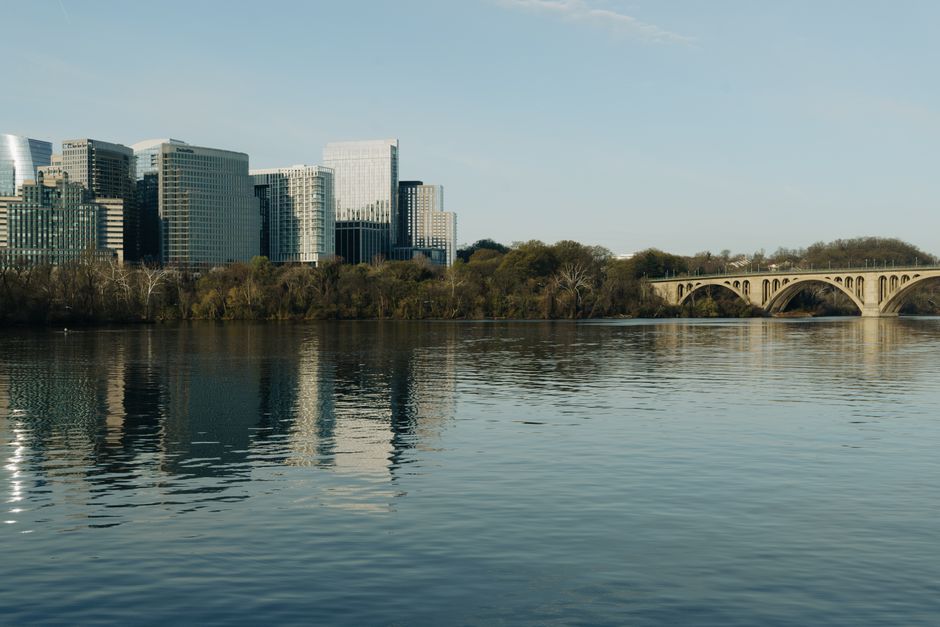

- What happened: Prince George’s County, Maryland, is considering micro-home development as one response to its housing shortage, according to The Baltimore Banner on November 9, 2026.
- Who it affects: Maryland homebuyers, homeowners, developers, and real-estate investors may want to follow the proposal.
- Where: Prince George’s County is in the Washington, DC metropolitan area.
- Source: The Baltimore Banner, published November 9, 2026.
What could Maryland micro-homes mean for Prince George’s County?
Prince George’s County, Maryland, is considering micro-home development as one possible response to its housing shortage, according to The Baltimore Banner on November 9, 2026. The proposal could add smaller units to the county’s housing choices and may create another entry-level option if projects receive the required approvals.
The Baltimore Banner’s report on November 9, 2026, does not establish the final size, price, location, construction schedule, ownership model, or approval status of a proposed micro-home project. Those details matter because a concept can change as county officials, planners, builders, and community members review zoning, infrastructure, design, and financing requirements.
Maryland micro-homes could increase housing choices, but a smaller floor plan does not automatically produce a lower-cost home. Land, utility connections, permitting, construction methods, infrastructure, and local rules can affect the total development cost. The eventual affordability benefit will depend on the complete project rather than the concept alone.
Prince George’s County, Maryland, could add housing choices through smaller homes.
Source: The Baltimore Banner
Why could Maryland micro-homes matter to buyers and homeowners?
Smaller homes could create another entry-level choice
For buyers in Prince George’s County and the wider Washington, DC metropolitan area, smaller homes could create another option between renting and purchasing a larger property. If a smaller home has a lower purchase price, the required down payment could also be lower, although buyers must review the complete cost of ownership. That cost can include principal, interest, property taxes, homeowners insurance, association charges, and maintenance.
Maryland micro-homes may broaden entry-level housing choices, but project costs remain decisive.
More homes could affect neighborhood planning
Additional homes can change land use and may support more housing supply over time. For existing homeowners, the effect on property values is not automatic. Traffic, public services, construction quality, local demand, and neighborhood conditions can all influence outcomes. Prince George’s County’s eventual rules and specific project details will provide more useful information than the proposal alone.
What should investors verify?
Investors considering development or purchases connected to Maryland micro-homes should confirm whether a property may be used for the intended purpose. Zoning may address unit size, density, setbacks, parking, utilities, occupancy, and rental use. Financing may also depend on whether the property is owner-occupied, held as an investment, newly constructed, or part of a larger project. Approval of a housing concept does not guarantee financing for every property.
When could projects become available?
The Baltimore Banner reported on November 9, 2026, that Prince George’s County is considering the idea; the report does not establish a construction schedule or availability date. Buyers should not assume that new micro-homes will be available soon or that they will meet a particular price point. People making a housing decision now may need to compare current homes and rentals with the possibility of future supply.
What should Maryland buyers and investors watch next?
- County announcements identifying proposed locations, unit sizes, and development timelines.
- Zoning, land-use, building, parking, and utility requirements for micro-home projects.
- Formal applications and required approvals from the county or other authorities.
- Purchase prices, rents, association costs, and financing terms if specific projects are proposed.
Bottom line for Maryland: Prince George’s County’s micro-home proposal could expand housing choices, but Maryland buyers, homeowners, and investors should wait for details about approvals, costs, permitted use, and financing before making assumptions.
More Maryland coverage
- South Baltimore Housing Projects and Maryland Housing Supply (November 7, 2026)
- Maryland Chesapeake Bay Crossing: What Approval Means (November 6, 2026)
- Maryland Flooding: What Maryland Homeowners Should Know (November 4, 2026)
Go Deeper
Mbanc NMLS #38232 | Equal Housing Opportunity Lender
Frequently Asked Questions
What are Maryland micro-homes?
Maryland micro-homes are generally smaller residential units designed to use less interior space than conventional homes. The exact definition, permitted size, and allowed use for Maryland micro-homes depend on local rules and the specific project. Prince George’s County’s proposal does not establish a single statewide definition or final project design.
Will Maryland micro-homes be available to buy in Prince George’s County?
Maryland micro-homes are not confirmed as available for purchase in Prince George’s County. The Baltimore Banner reported on November 9, 2026, that the county is considering micro-home development, but the available summary does not confirm approval, construction, or a sales offering.
Can Maryland micro-homes be financed?
Maryland micro-homes may be financeable, but financing depends on legal classification, construction and approval status, intended occupancy, borrower qualifications, property details, and lender requirements. Buyers and investors should confirm those details before relying on a financing plan for a proposed Prince George’s County property.
Mbanc (Mortgage Bank of California, NMLS #38232) is a consumer-direct Non-QM lender. This content is for informational purposes only and does not constitute a commitment to lend. All loans subject to credit approval.