
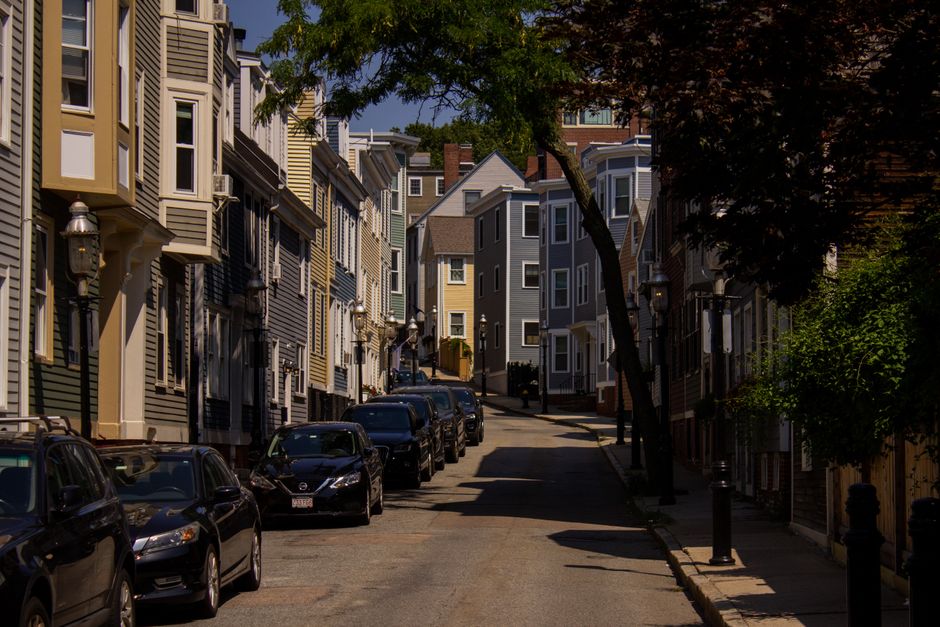
- What happened: According to WHDH on October 26, 2026, Question 7 would change housing rules in Massachusetts.
- Who it affects: The measure could affect homebuyers, homeowners, landlords, and real-estate investors in Massachusetts.
- Why it matters: The measure could influence starter-home supply, zoning, local development, and property values.
- Source: WHDH, published October 26, 2026.
What would Massachusetts housing Question 7 change?
According to WHDH on October 26, 2026, Question 7 would change housing rules in Massachusetts. Supporters argue that the measure could make homes more affordable, while opponents question its potential effects on local control and development.
Question 7 could influence where and how starter homes are built in Massachusetts. A starter home is a smaller or more accessible home often considered an entry point for a buyer. The measure’s practical effect would depend on how its rules are applied in individual communities.
Question 7 could reshape where starter homes are built in Massachusetts.
For buyers, the central issue is whether additional housing choices become available and whether new construction reaches the price range associated with starter homes. For homeowners and investors, changes in permitted development could affect neighborhood growth, rental demand, competition, and property values over time. According to WHDH on October 26, 2026, the available summary does not establish the measure’s final effect on prices or supply.
Source: WHDH
Why does Question 7 matter for Massachusetts homeowners, buyers, and investors?
Could Question 7 increase starter-home supply?
If Massachusetts communities can approve or accommodate more starter-home construction, buyers may eventually have more options. More supply can improve choice, but the timing would depend on zoning decisions, permitting, construction, and whether builders can deliver homes at prices buyers can afford. Question 7 alone would not guarantee lower prices.
Starter-home supply could change gradually rather than immediately. Builders would still need to decide whether projects are practical, and communities would need to apply the relevant rules. According to WHDH on October 26, 2026, the measure’s potential affordability effect is an argument made by supporters, not a guaranteed outcome.
How could Question 7 affect local zoning and property values?
Zoning is the system communities use to regulate how land and buildings may be used. According to WHDH on October 26, 2026, opponents question how Question 7 could affect local control and development. For homeowners, a change in nearby zoning or construction patterns could affect neighborhood character, traffic, and the types of properties available.
Property values could respond differently from one Massachusetts community to another. Demand, new supply, and the specific development allowed could all shape local results. Question 7 could affect Massachusetts property values differently from one community to another.
What could the measure mean for rental-property investors?
Landlords and portfolio investors should consider how additional starter homes could affect rental demand. In some areas, new ownership opportunities could reduce demand for certain rentals. In other areas, population growth and new development could support more tenants and services. These are possible scenarios, not established effects of Question 7.
Investors reviewing a Massachusetts property should examine local rules, intended property use, taxes, insurance, operating costs, and expected rental demand before making a purchase. Local implementation may matter as much as the statewide housing rule because permitted development can differ by community.
When could Massachusetts property impacts become visible?
The measure’s local impacts may take time to appear. Buyers, homeowners, and investors should avoid assuming that a future rule change will immediately alter property values or financing terms. Lending decisions generally consider the property, borrower qualifications, proposed use, and available documentation under current guidelines.
What should people watch next in Massachusetts?
- Whether Question 7 is approved and what final rules govern its implementation.
- How Massachusetts municipalities respond through zoning, permitting, and development decisions.
- Whether builders announce new starter-home projects or change existing plans.
- Changes in local listings, rents, construction activity, and property values.
According to WHDH on October 26, 2026, Question 7’s potential effects remain tied to local control, development, housing supply, and affordability. Those issues are the key areas to monitor as communities respond.
Bottom line for Massachusetts: Massachusetts housing Question 7 could influence starter-home construction and local development, but its effects on affordability, supply, and property values would depend on implementation and community-level decisions.
More Massachusetts coverage
- Massachusetts Year-Round Housing Could Add Nearly 600 Homes (October 25, 2026)
- Massachusetts Housing Construction: What Question 7 Could Change (October 24, 2026)
- Massachusetts ADU Funding: What Investors Should Know (October 21, 2026)
Go Deeper
Financing for Massachusetts investors when the picture changes
When local housing rules create new opportunities, Mortgage Bank of California dba MBANC (NMLS #38232) helps Massachusetts real-estate investors, rental-property owners, landlords, short-term-rental operators, portfolio investors, and out-of-state investors buying in Massachusetts pursue business-purpose financing for non-owner-occupied residential rental property. Learn more about investment lending in Massachusetts, subject to credit approval and program requirements.
Mbanc NMLS #38232 | Equal Housing Opportunity Lender
Frequently Asked Questions
What would Massachusetts housing Question 7 change?
According to WHDH on October 26, 2026, Massachusetts housing Question 7 would change housing rules and could influence where and how starter homes are built. The measure’s practical effect would depend on implementation, local development decisions, and the final rules governing Massachusetts communities.
Could Massachusetts housing Question 7 make homes more affordable?
Massachusetts housing Question 7 could make homes more affordable according to supporters cited by WHDH on October 26, 2026, but lower prices are not guaranteed. Affordability would also depend on construction, housing supply, demand, local rules, and other Massachusetts housing-market conditions.
Can MBANC finance an owner-occupied Massachusetts home?
No. Mortgage Bank of California dba MBANC (NMLS #38232) originates loans in Massachusetts only for business or investment purposes, including loans secured by non-owner-occupied residential rental property. MBANC does not offer owner-occupied, primary-residence, or consumer mortgages in Massachusetts.
Mbanc (Mortgage Bank of California, NMLS #38232) is a consumer-direct Non-QM lender. This content is for informational purposes only and does not constitute a commitment to lend. All loans subject to credit approval.