
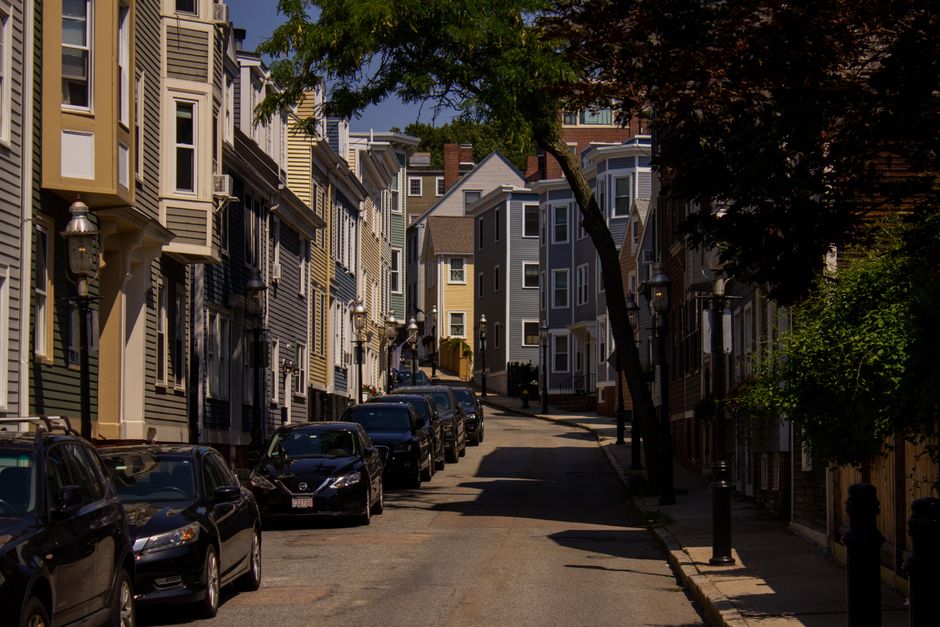

- What happened: The Massachusetts starter-home zoning measure would change local zoning rules to encourage more starter-home construction, according to the Washington Examiner on October 7, 2026.
- Who it affects: The proposal could affect homeowners, prospective buyers, developers, landlords, and real-estate investors in Massachusetts.
- Where: The proposal concerns Massachusetts.
- Source: Washington Examiner, published October 7, 2026
What is the Massachusetts starter-home zoning measure?
According to the Washington Examiner on October 7, 2026, the Massachusetts starter-home zoning measure would change local zoning rules to encourage more starter-home construction. Zoning rules are local requirements that control how land may be used and what may be built. The proposal is tied to housing supply and could make additional development options possible under local zoning rules.
Massachusetts voters will decide whether to take the housing-supply policy directly to the ballot, according to the Washington Examiner on October 7, 2026. The story summary does not specify the final wording of the measure, which communities or zoning districts would be covered, or how quickly any changes would take effect.
That distinction matters because a vote to place a policy on the ballot is not the same as final approval or immediate construction. If the measure advances, later implementation rules could determine what types of homes may be built, where those homes may be located, and how local governments apply the change.
Massachusetts housing supply could depend on both voter action and later local implementation.
Source: Washington Examiner
Why could the Massachusetts measure matter to homeowners, buyers, and investors?
Could the measure create more housing choices?
If approved and implemented, broader zoning options could allow more starter homes to be developed in some Massachusetts communities. Additional supply can give buyers more properties to consider, although the effect would depend on local rules, construction activity, infrastructure, and demand. The Washington Examiner reported this potential housing-supply impact on October 7, 2026.
For current homeowners, possible changes in neighborhood density may affect how an area develops over time. New construction can bring more nearby housing while also changing traffic, parking needs, and the character of some neighborhoods. The Washington Examiner’s October 7, 2026, report does not establish how any specific property would be affected.
How could land values and property-tax bases change?
The Washington Examiner reported on October 7, 2026, that the measure could affect land values and future property-tax bases. When zoning permits more development potential, land value may be influenced by what can legally be built on that land. Actual results can vary by location and by the cost of construction.
New development may also expand the local property-tax base. A property-tax base is the collection of taxable property values used by a local government when assessing property taxes. Whether that changes an individual owner’s tax bill depends on local assessments, tax rates, exemptions, and other rules. Homeowners should wait for official implementation details before estimating a personal tax impact.
Massachusetts land value effects would depend on what local zoning ultimately permits.
What should Massachusetts investors evaluate?
Rental-property owners, landlords, and portfolio investors should monitor whether zoning changes create opportunities for new rental construction or redevelopment. They should also consider whether added supply could increase competition for tenants in a particular submarket. A possible zoning change does not guarantee approval, construction, a specific property value, or rental performance.
Short-term-rental operators and out-of-state investors buying Massachusetts property may also need to review the final measure and any local implementation rules before changing an acquisition or redevelopment plan. Those rules could clarify eligible locations, housing types, density, and timing. The Washington Examiner’s October 7, 2026, report does not provide those details.
What should people watch next in Massachusetts?
- Whether the measure is formally placed on the ballot and the final language presented to voters.
- How Massachusetts voters decide on the housing-supply policy.
- Any implementation rules describing eligible locations, housing types, density, and timing.
- Local changes in development applications, land values, construction, and rental supply.
These checkpoints can help homeowners, buyers, landlords, and investors separate a proposed policy from an approved and implemented zoning change. The Washington Examiner reported the ballot and housing-supply context on October 7, 2026, while the final effects remain dependent on later decisions and local conditions.
Bottom line for Massachusetts: The Massachusetts starter-home zoning measure could expand development options and housing supply if approved and implemented, but voters and later rules will determine what changes actually occur. Investors should monitor the final language, local implementation, land values, and rental supply.
More Massachusetts coverage
- Massachusetts Energy Relief and Winter Housing Costs (October 6, 2026)
- Massachusetts mortgage rates and housing market impact (October 5, 2026)
- Massachusetts Housing Production: Costs, Delays, and Demand (October 4, 2026)
Go Deeper
Financing for Massachusetts investors when the picture changes
Mortgage Bank of California dba MBANC (NMLS #38232) originates business-purpose loans in Massachusetts only for real-estate investors, including rental-property owners, landlords, portfolio investors, short-term-rental operators, and out-of-state investors buying Massachusetts property. Explore Massachusetts investment-property financing when a zoning or supply change alters an acquisition or redevelopment plan.
Mbanc NMLS #38232 | Equal Housing Opportunity Lender
Frequently Asked Questions
What is the Massachusetts starter-home zoning measure?
The Massachusetts starter-home zoning measure is a proposed policy that would change local zoning rules to encourage more starter-home construction, according to the Washington Examiner on October 7, 2026. Massachusetts voters will decide whether to take the housing-supply policy directly to the ballot. Final wording, coverage, and implementation timing are not specified.
Would the Massachusetts measure immediately allow more starter homes?
No. The Massachusetts starter-home zoning measure would not immediately allow more starter homes because Massachusetts voters must first decide whether to take the housing-supply policy directly to the ballot, according to the Washington Examiner on October 7, 2026. Any later approval and implementation would determine when and where zoning changes apply.
How could the Massachusetts proposal affect property values?
The Massachusetts proposal could affect land values and future property-tax bases, according to the Washington Examiner on October 7, 2026. The effect on a specific property would depend on local rules, development potential, construction costs, demand, and implementation details. The report does not establish a specific value or tax change for any property.
Can MBANC finance a primary residence in Massachusetts?
No. Mortgage Bank of California dba MBANC (NMLS #38232) originates loans in Massachusetts only for business or investment purposes, such as loans secured by non-owner-occupied residential rental property. Mortgage Bank of California dba MBANC (NMLS #38232) does not offer owner-occupied, primary-residence, or consumer mortgages in Massachusetts.
Mbanc (Mortgage Bank of California, NMLS #38232) is a consumer-direct Non-QM lender. This content is for informational purposes only and does not constitute a commitment to lend. All loans subject to credit approval.