
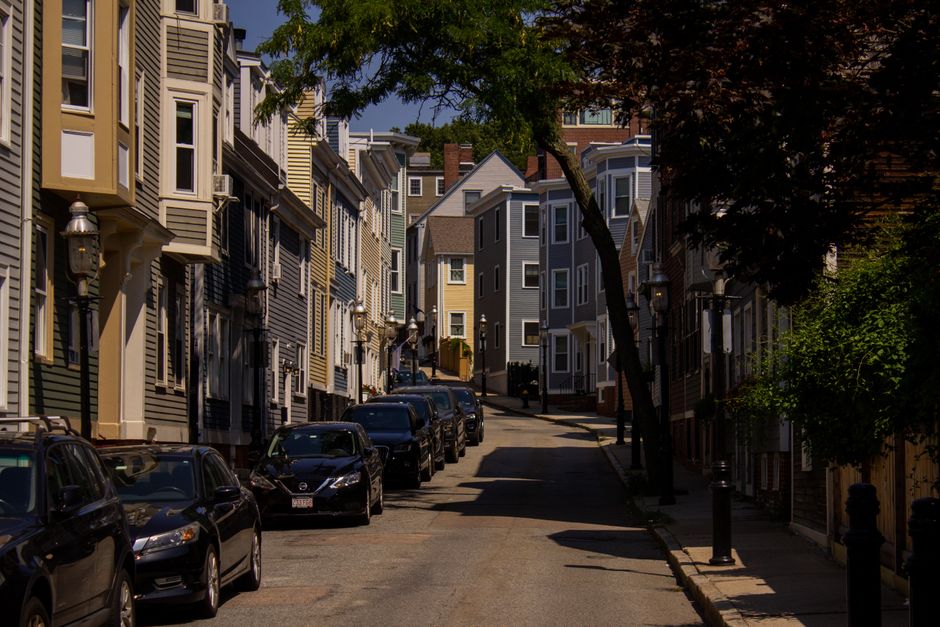

- What happened: A Massachusetts ballot question would change zoning rules that often make 1,000-square-foot starter homes illegal to build, according to Yahoo on October 20, 2026.
- Who it affects: Prospective buyers, homeowners, builders and real-estate investors across Massachusetts could be affected if local rules change.
- Where: The proposal concerns Massachusetts communities subject to local zoning rules.
- Source: Yahoo, published October 20, 2026
What could Massachusetts starter homes mean for buyers and investors?
According to Yahoo on October 20, 2026, Massachusetts voters may decide whether to approve a ballot question changing local zoning rules that currently make many 1,000-square-foot starter homes illegal to build. The proposal is intended to expand the supply of smaller single-family homes.
Local zoning rules govern what property owners can build on particular land. In communities where minimum home sizes or related requirements limit construction, builders may have fewer opportunities to develop smaller properties. If the rules change, more projects could become legally possible, but legal permission would not guarantee immediate construction.
Massachusetts starter homes could offer more entry-level housing choices if communities permit projects under the new rules. Massachusetts starter homes would still be shaped by land costs, construction expenses, site conditions and local approval decisions.
Source: Yahoo
Why could smaller homes matter in Massachusetts?
Buyers may see more choices, but not immediately
If smaller homes become easier to approve and build, prospective buyers could eventually have more entry-level properties to consider. A smaller home may require less total construction and upkeep than a larger one, although the purchase price would still depend on land, construction and local market conditions. According to Yahoo on October 20, 2026, the ballot question is intended to expand supply; it would not guarantee lower prices or a particular number of new homes.
Massachusetts starter homes may expand choices without guaranteeing affordability.
Local implementation will shape the outcome
A state or ballot-level zoning change would still need to work through local processes. Communities may need to update rules, review proposals and issue permits. Buyers and homeowners watching a specific town should look for local guidance on minimum sizes, lot requirements, setbacks, utilities and approval procedures. These details can determine whether a smaller-home concept is buildable on a particular parcel.
According to Yahoo on October 20, 2026, the proposal’s effect would depend on local implementation, land costs and whether communities permit projects under the new rules. Those factors would influence how quickly additional housing reaches the market and whether smaller homes are financially practical to build.
Investors may find new development possibilities
For Massachusetts real-estate investors, the proposal could create opportunities to evaluate smaller single-family projects, rental properties or land that was previously difficult to develop under local size rules. The investment case would depend on acquisition cost, site work, permitting, projected rent or resale value, and the community’s willingness to approve the project.
Massachusetts investors should also account for the possibility that a zoning change does not translate into a finished property on a predictable schedule. Project feasibility would depend on the parcel, local approvals and development costs.
Massachusetts investors may gain development options, but local approval remains decisive.
Existing homeowners may see changing competition
Additional small-home construction could change the mix of properties available in a local market. More entry-level inventory may give some buyers alternatives, while a well-located new project could change competition for older homes or rental properties. According to Yahoo on October 20, 2026, the size of any effect would depend on how many homes are built and where they are located.
What should Massachusetts residents watch next?
- Whether the ballot question advances and how Massachusetts voters decide.
- How local governments interpret and implement any approved zoning change.
- Whether builders submit projects for smaller single-family homes.
- Whether land, construction and permitting costs limit development.
Financing for Massachusetts investors when the picture changes
Mortgage Bank of California dba MBANC (NMLS #38232) originates loans in Massachusetts only for business or investment purposes, including loans secured by non-owner-occupied residential rental property. The Massachusetts lending options are for rental-property owners, landlords, portfolio investors, short-term-rental operators and out-of-state investors evaluating Massachusetts opportunities.
Bottom line for Massachusetts: A zoning change could make more smaller homes legally possible, but Massachusetts housing supply would still depend on local approvals, land costs and construction feasibility.
More Massachusetts coverage
- Massachusetts housing ballot questions and real estate impact (October 19, 2026)
- Somerville Backyard Housing Law: Massachusetts Investor Guide (October 18, 2026)
- Massachusetts West-East Rail Funding and Springfield Housing (October 17, 2026)
Go Deeper
Mbanc NMLS #38232 | Equal Housing Opportunity Lender
Frequently Asked Questions
Would Massachusetts starter homes become more affordable under the proposal?
No. Massachusetts starter homes could become easier to build if the proposal changes local zoning rules, but affordability would still depend on land costs, construction expenses, local implementation and permitting. According to Yahoo on October 20, 2026, the proposal is intended to expand smaller-home supply, not guarantee a particular price or number of homes.
What should Massachusetts buyers watch if the measure is approved?
Massachusetts buyers should watch local zoning updates, permitting procedures and actual project proposals. Those steps would show whether the change is being used in the communities and locations a buyer is considering. The ballot question alone would not show when homes might be built or what those homes might cost.
Can MBANC finance an owner-occupied home in Massachusetts?
No. Mortgage Bank of California dba MBANC (NMLS #38232) originates loans in Massachusetts only for business or investment purposes, such as financing secured by non-owner-occupied residential rental property. MBANC does not offer owner-occupied, primary-residence or consumer mortgages in Massachusetts.
Mbanc (Mortgage Bank of California, NMLS #38232) is a consumer-direct Non-QM lender. This content is for informational purposes only and does not constitute a commitment to lend. All loans subject to credit approval.