

- What happened: The Honolulu Star-Advertiser reported that FEMA increased rent charges for Maui wildfire survivors for the third time in 2026 on October 13, 2026.
- Who it affects: The reported change could affect displaced Maui homeowners and renters, local rental-property owners, and real-estate investors.
- Where: The report concerns Maui, Hawaii.
- Source: The Honolulu Star-Advertiser published the report on October 13, 2026.
What happened with the Maui FEMA rent increase?
According to the Honolulu Star-Advertiser on October 13, 2026, FEMA increased rent charges for Maui wildfire survivors for the third time in 2026. The report concerns temporary housing used by survivors while they rebuild or seek permanent housing.
The Honolulu Star-Advertiser did not specify the new rent amount, the prior charges, or how many households are affected, according to the October 13, 2026, report. The report also did not describe the reason for the latest increase or how long the revised charges will remain in place. Those missing details matter because the financial effect can differ by housing arrangement, household income, and recovery timeline.
When temporary-housing costs rise, displaced households may have less room in their budgets for other recovery expenses. The Honolulu Star-Advertiser reported on October 13, 2026, that the changes may also affect demand for rental units on Maui as survivors evaluate temporary and permanent housing options.
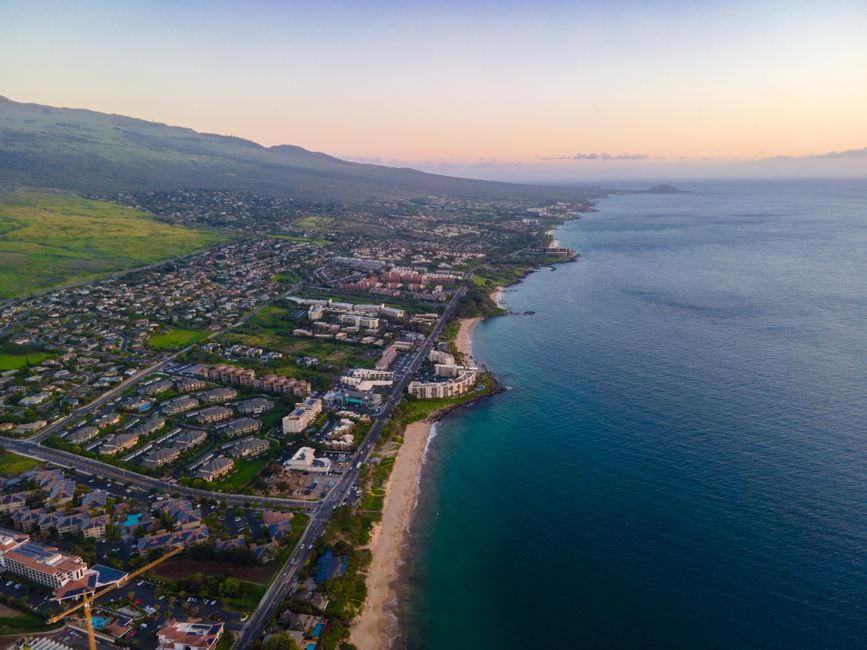
Maui wildfire survivors may face added budget pressure when temporary-housing charges increase.
Source: Honolulu Star-Advertiser
Why could the Maui FEMA rent increase matter for housing?
How could household budgets and recovery timing change?
According to the Honolulu Star-Advertiser on October 13, 2026, higher temporary-housing charges could increase financial pressure on displaced homeowners and renters. A higher housing bill can leave less money for rebuilding decisions, storage, transportation, repairs, or moving into a permanent home. Households may need to review their budgets and confirm how the change affects eligibility, contribution, or payment schedules.
The October 13, 2026, report does not establish whether the rent change will alter anyone’s mortgage, property-tax obligation, insurance coverage, or loan qualification. Borrowers seeking housing generally need to account for recurring housing costs when planning their finances. A temporary rent increase may therefore affect how quickly a household can save, relocate, or commit to a new housing arrangement, although the report does not measure those effects.
What could happen to rental demand on Maui?
The Honolulu Star-Advertiser reported on October 13, 2026, that the changes may affect demand for rental units and recovery planning on Maui. If more survivors remain in temporary housing longer, or compete for permanent rentals, landlords and tenants may face a different balance of available units and applicants. The report provides no local vacancy, rent, or demand figures, so the direction and size of any market effect remain uncertain.
Higher temporary-housing costs could influence rental demand on Maui, but the available report does not quantify the effect.
What should Maui rental-property investors consider?
For rental-property owners, portfolio investors, short-term-rental operators, and out-of-state investors buying in Hawaii, the October 13, 2026, report is a reminder to monitor how disaster recovery may affect tenant demand, operating expenses, and property use. An investor evaluating a Maui property should distinguish current rental income from assumptions about future occupancy. That review can include insurance, maintenance, taxes, utilities, reserves, and restrictions that may affect intended use.
The Honolulu Star-Advertiser report dated October 13, 2026, does not show that property values or rents have changed. Investors should treat future occupancy and rental-income assumptions as assumptions rather than established results from this report.
What should people watch next on Maui?
- According to the October 13, 2026, report from the Honolulu Star-Advertiser, readers should watch for FEMA’s published details on revised charges, the effective date, and households covered.
- Readers should watch for additional guidance about temporary housing or permanent relocation for survivors, because the October 13, 2026, report does not provide those details.
- Readers should watch Maui rental availability, asking rents, and demand for different types of housing, because the October 13, 2026, report provides no figures for those measures.
- Readers should watch how local recovery plans account for temporary-housing costs and rebuilding timelines, which the October 13, 2026, report identifies as relevant to recovery planning.
Financing for Hawaii investors when the picture changes
For Hawaii investors, Mortgage Bank of California dba MBANC (NMLS #38232) offers business-purpose financing for rental-property owners, landlords, portfolio investors, short-term-rental operators, and out-of-state investors buying in Hawaii. Learn more about investment-property lending in Hawaii. Mortgage Bank of California dba MBANC does not offer owner-occupied, primary-residence, or consumer mortgages in Hawaii.
Bottom line for Hawaii: The Maui FEMA rent increase could add pressure for wildfire survivors and may affect rental demand, but the October 13, 2026, report does not quantify the housing-market effect. Hawaii investors should separate reported facts from occupancy and income assumptions.
More Hawaii coverage
- Honolulu Affordable Housing: Wo Fat Building Plans in Hawaii (October 12, 2026)
- Hawaii Housing Prices and Population Trends Explained (October 11, 2026)
- Hawaii Federal Disaster Aid After Lala and Lowell (October 10, 2026)
Go Deeper
Mbanc NMLS #38232 | Equal Housing Opportunity Lender
Frequently Asked Questions
Why did FEMA raise rents for Maui wildfire survivors?
The Honolulu Star-Advertiser reported on October 13, 2026, that FEMA increased rent charges for Maui wildfire survivors for the third time in 2026. The report does not state why the latest increase occurred or provide the new amount. The available summary also does not explain how long the revised charges will remain in place.
How could the Maui FEMA rent increase affect housing?
The Maui FEMA rent increase could put more pressure on displaced Maui households and may affect demand for rental units as survivors rebuild or search for permanent housing. The Honolulu Star-Advertiser report dated October 13, 2026, does not provide enough information to measure the direction or size of the market impact.
Can MBANC finance my primary residence in Hawaii?
No. Mortgage Bank of California dba MBANC (NMLS #38232) originates loans in Hawaii only for business or investment purposes, including loans secured by non-owner-occupied residential rental property. Mortgage Bank of California dba MBANC does not offer owner-occupied, primary-residence, or consumer mortgages in Hawaii.
Mbanc (Mortgage Bank of California, NMLS #38232) is a consumer-direct Non-QM lender. This content is for informational purposes only and does not constitute a commitment to lend. All loans subject to credit approval.