
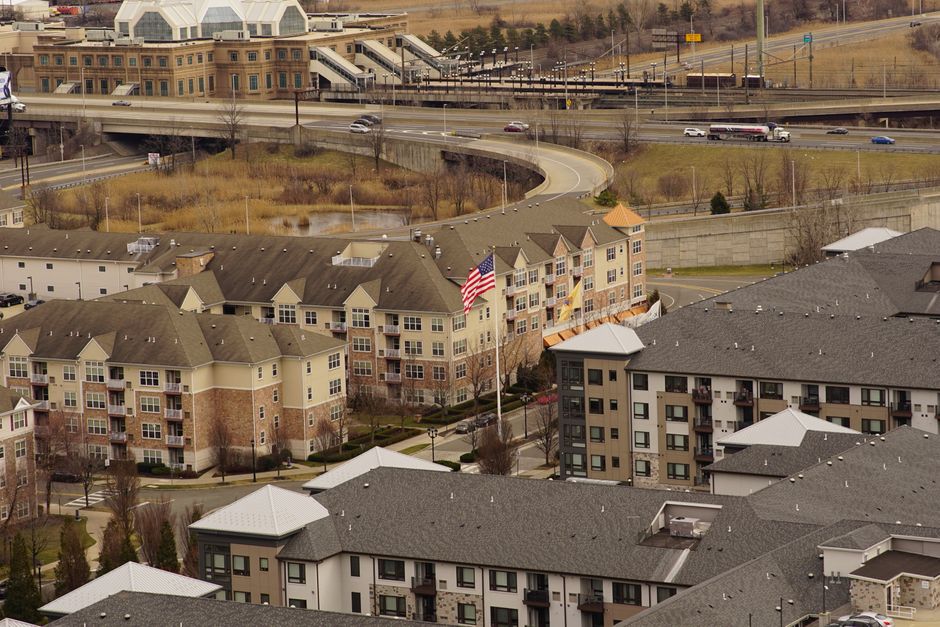

- What happened: New Jersey is sending property-tax relief checks to about 467,000 seniors, according to The Cool Down on November 21, 2026.
- How applications work: Eligible New Jersey residents can use one application for three property-tax relief programs, according to The Cool Down on November 21, 2026.
- Who it may affect: The programs may matter to eligible senior homeowners and other eligible residents, while New Jersey homebuyers and real-estate investors should account for property taxes when evaluating housing costs.
- Where: The relief programs apply in New Jersey.
- Source: The Cool Down, published November 21, 2026
What does New Jersey property-tax relief mean for homeowners?
According to The Cool Down on November 21, 2026, New Jersey is sending property-tax relief checks to about 467,000 seniors. The report also says eligible residents can use one application for three property-tax relief programs.
A combined application may make it easier for eligible residents to identify the assistance they can seek without completing separate applications for each program. The specific amount a household receives, eligibility requirements, and timing can depend on the applicable program and the applicant’s circumstances. Homeowners should review current state guidance before relying on a payment or applying.
New Jersey property-tax relief may reduce the effective cost of owning a home for qualifying seniors and other eligible residents. Property-tax relief is assistance that offsets part of a qualifying household’s property-tax cost; it does not necessarily change the home’s assessed value or the underlying property-tax system.
New Jersey property taxes can be one part of a household’s recurring housing costs, along with insurance, utilities, maintenance, and other expenses. Relief may therefore matter to households managing a fixed income, but applicants should not assume that every household will qualify or receive the same benefit.
Source: The Cool Down
Why does New Jersey property-tax relief matter for owners, buyers, and investors?
How can relief affect New Jersey homeowners and seniors?
New Jersey homeowners who meet program requirements may benefit from a simpler application process and a property-tax relief payment, according to The Cool Down on November 21, 2026. A lower net tax burden may improve household cash flow, although homeowners should verify eligibility, payment timing, and the amount available under the applicable program.
Property taxes may be collected directly from a homeowner or through an escrow account. An escrow account is money collected with a mortgage payment and held to pay recurring costs such as property taxes and insurance. When relief changes the amount owed, the homeowner or loan servicer may need to account for that change in future escrow calculations.
Applicants should keep records of an application, approval, and payment. If a homeowner has questions about how a relief payment affects an escrow account, the loan servicer and relevant state agency can explain the applicable process.
What should New Jersey homebuyers include in a housing budget?
New Jersey property-tax relief may help eligible households, but homebuyers should include property taxes in a total housing-cost estimate and treat potential relief as conditional until eligibility and timing are clear. Buyers should also distinguish a tax relief payment from a change in the tax assessment because the two can affect housing costs differently.
Property-tax information may affect qualification because lenders generally consider recurring housing expenses when reviewing an application. New Jersey homebuyers should ask for current tax information and verify whether any reported relief is transferable, recurring, or limited to the current homeowner.
New Jersey buyers should evaluate property taxes separately from any expected relief. Relief may lower a qualifying household’s net cost without changing the property’s tax assessment.
What should New Jersey real-estate investors evaluate?
New Jersey real-estate investors should underwrite the full property-tax burden rather than assuming that owner-occupant relief will apply to a rental or investment property. A program designed for eligible residents or seniors may not be available to an investor-owned property.
Investors should include taxes in projected operating expenses, cash flow, and reserves. Investors should also consider how a reassessment or future tax change could affect returns, even when a current owner receives assistance. New Jersey property-tax relief should be treated as conditional unless the applicable rules clearly cover the ownership and occupancy circumstances.
What should New Jersey residents watch next?
- State guidance confirming the eligibility rules and application deadline for each of the three programs.
- Whether additional checks are issued and whether payment timing differs by applicant.
- How approved relief is reflected in a homeowner’s tax bill or escrow account.
- Whether homebuyers or real-estate investors qualify for any available relief based on occupancy and ownership status.
What financing options should New Jersey investors consider when costs change?
When property taxes, income documentation, or ownership plans make a traditional approval difficult, Mortgage Bank of California dba MBANC (NMLS #38232) offers Non-QM lending for New Jersey owner-occupants, self-employed entrepreneurs, business owners, contractors, investors, retirees, and international buyers. Explore Non-QM lending across New Jersey for owner-occupied and investment-property options.
Bottom line for New Jersey: New Jersey property-tax relief may help eligible households reduce their net tax burden, while buyers and investors should evaluate the full property-tax cost before making housing decisions.
More New Jersey coverage
- Newark Housing Authority Changes for New Jersey Housing (November 21, 2026)
- New Jersey Employment Report: Housing Guide (November 20, 2026)
- Portal North Bridge New Jersey housing market outlook (November 19, 2026)
Go Deeper
MBANC NMLS #38232 | Equal Housing Opportunity Lender
Frequently Asked Questions
Who may benefit from New Jersey property-tax relief checks?
New Jersey seniors may benefit from the property-tax relief checks because The Cool Down reported on November 21, 2026, that New Jersey is sending checks to about 467,000 seniors. Eligibility depends on the applicable program and each applicant’s circumstances. Eligible residents should confirm current requirements before relying on a payment.
Can one application cover three New Jersey property-tax relief programs?
One application can cover three New Jersey property-tax relief programs for eligible residents, according to The Cool Down on November 21, 2026. The combined application may simplify the process, but applicants should confirm the current eligibility requirements, application deadline, and payment timing for each applicable program.
Should New Jersey homebuyers include property taxes in a housing budget?
Yes. New Jersey homebuyers should include property taxes when estimating total housing costs and should treat potential property-tax relief as conditional until eligibility and timing are confirmed. A relief payment may reduce a qualifying household’s net cost without changing the property’s tax assessment or the amount owed by other owners.
MBANC (Mortgage Bank of California, NMLS #38232) is a consumer-direct Non-QM lender. This content is for informational purposes only and does not constitute a commitment to lend. All loans subject to credit approval.