
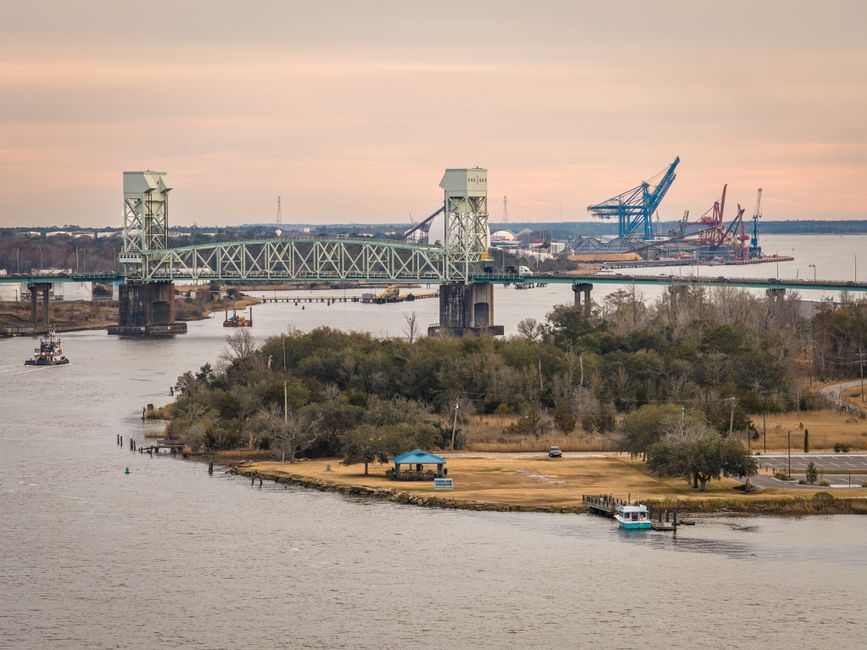
- What happened: According to The Raleigh News & Observer on September 22, 2026, a powerful nor’easter is expected to bring strong winds, coastal flooding, and large waves to North Carolina beaches.
- Who it affects: North Carolina homeowners, homebuyers, landlords, vacation-rental owners, and real-estate investors may face property, access, insurance, or transaction concerns.
- Where: The reported risks include North Carolina’s coast, including Wilmington and the Outer Banks.
- Source: The Raleigh News & Observer, published September 22, 2026.
What does North Carolina coastal flooding mean for Wilmington and the Outer Banks?
According to The Raleigh News & Observer on September 22, 2026, a powerful nor’easter is expected to affect North Carolina beaches with strong winds, coastal flooding, and dangerous large waves. A nor’easter is a storm that brings strong winds from the northeast to coastal areas.
The Raleigh News & Observer reported on September 22, 2026, that waves could reach up to 12 feet. North Carolina coastal flooding can affect roads, access routes, structures, landscaping, vehicles, docks, and other property features. Floodwater, wind, and wave action can create different risks than rainfall alone.
The timing and severity of damage will depend on the storm’s path, local conditions, and each property’s elevation and exposure. According to The Raleigh News & Observer on September 22, 2026, dangerous conditions may disrupt access and recovery work in low-lying communities.
North Carolina coastal flooding can delay access, inspections, repairs, and recovery work. Wilmington and the Outer Banks may experience different effects based on local exposure and property conditions.
Source: The Raleigh News & Observer
Why does North Carolina coastal flooding matter to homeowners, buyers, and investors?
What should homeowners document after storm damage?
If flooding, wind, or waves affect a home, owners should follow local safety instructions and document conditions when it is safe. Photos, videos, receipts, emergency-work records, and communications with an insurance carrier can help establish what happened and when.
Coverage depends on the policy and the cause of loss. Homeowners should not assume that one policy covers every type of storm-related damage. Flood-related damage and wind-related damage may be treated differently, and coastal properties may have specific requirements or exclusions. An insurance provider can explain the applicable coverage.
How can flooding affect rental properties?
For long-term rentals and vacation properties, North Carolina coastal flooding can affect more than the building. Flooded roads, closed bridges, utility interruptions, and unsafe beach conditions may delay inspections, repairs, cleaning, and reservations. Contractors or adjusters may also have difficulty reaching a property.
Owners should retain repair estimates, canceled bookings, temporary protective-work records, and communications with tenants or guests. Those records may help with insurance-claim reviews or evaluations of a property’s operating results.
North Carolina coastal flooding can affect rental access, repairs, and property operations. The impact may continue after water levels and wave conditions improve.
What should buyers investigate before closing?
A major coastal storm can change what a buyer needs to investigate, especially when a property has visible damage or an unresolved claim. Buyers should ask about repairs, permits, insurance availability, flood exposure, and access. A lender may require repair documentation or evidence of adequate insurance before closing.
For investors, storm exposure can affect projected expenses, occupancy, maintenance schedules, and the time needed to stabilize a property. A lower purchase price does not remove the need to understand insurance, elevation, access, and repair risks.
What should North Carolina property owners watch next?
- Updates from local emergency-management officials about flooding, road closures, and access restrictions.
- Reports on actual wind, wave, and water impacts in Wilmington, the Outer Banks, and nearby communities.
- Insurance carrier instructions, inspection schedules, and documentation requirements after any damage.
- Whether repairs, inspections, or access limitations affect property transactions and rental operations.
What financing options may investors and homebuyers consider when property conditions change?
When a coastal property’s condition, income, or documentation does not fit a traditional bank’s guidelines, Mortgage Bank of California dba MBANC (NMLS #38232) may help qualified North Carolina homebuyers, homeowners, self-employed entrepreneurs, business owners, contractors, retirees, and real-estate investors. Learn more about MBANC lending in North Carolina, including options for owner-occupied homes and investment properties.
Bottom line for North Carolina: North Carolina coastal flooding and large waves may create property damage, access problems, insurance questions, and transaction delays. Wilmington and Outer Banks property owners, buyers, and investors should monitor official updates and document conditions safely.
More North Carolina coverage
- North Carolina Job Cuts and Housing Demand: Key Factors (September 19, 2026)
- Raleigh-Durham Buyer’s Market: What North Carolina Buyers Need (September 18, 2026)
- Asheville Housing Aid: Buncombe County Recovery Update (September 17, 2026)
Go Deeper
MBANC NMLS #38232 | Equal Housing Opportunity Lender
Frequently Asked Questions
What should North Carolina coastal homeowners do after storm damage?
North Carolina coastal homeowners should follow local safety instructions, document damage when it is safe, contact the insurance carrier, and keep records of emergency work, receipts, photos, videos, and repair communications. North Carolina coastal homeowners should avoid unsafe areas and follow official directions before inspecting a property.
Can North Carolina coastal flooding affect a property purchase?
Yes. North Carolina coastal flooding can affect a property purchase when damage, delayed inspections, access problems, unresolved claims, or insurance questions create additional documentation or timing issues. Buyers should ask about repairs, permits, insurance availability, flood exposure, and access before closing.
Does homeowners insurance cover North Carolina coastal flooding?
Coverage depends on the policy and the cause of loss. North Carolina coastal flooding and wind damage may be handled differently, and coastal properties may have requirements or exclusions. North Carolina homeowners should review the applicable policy with the insurance provider rather than assume that every storm-related loss is covered.
Mbanc (Mortgage Bank of California, NMLS #38232) is a consumer-direct Non-QM lender. This content is for informational purposes only and does not constitute a commitment to lend. All loans subject to credit approval.