
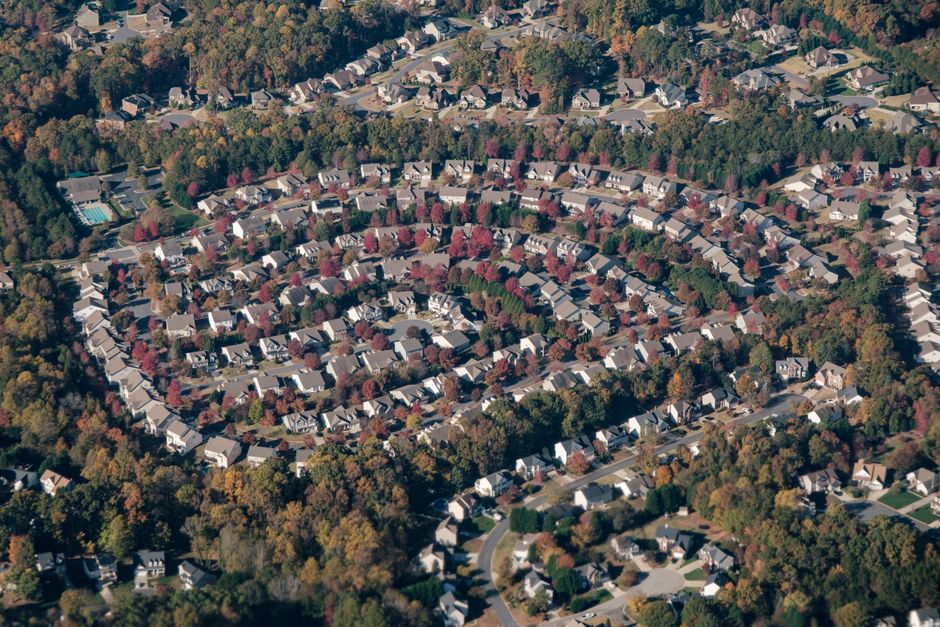

- What happened: The proposed North Carolina property tax amendment would change constitutional limits on property tax collections.
- Who it affects: The proposal could affect North Carolina homeowners, homebuyers, investment-property owners, and local governments.
- Where: The potential effects would extend across North Carolina.
- Source: The Business Journals, published October 5, 2026.
What is the North Carolina property tax amendment about?
According to The Business Journals on October 5, 2026, a proposed North Carolina property tax amendment could produce unintended consequences. The debate centers on constitutional limits governing how much local governments can collect through property taxes.
The Business Journals reported on October 5, 2026, that one concern is added pressure on local governments and public services. Property taxes are a source of local revenue, so a constitutional change could affect how counties and municipalities plan for public services and respond to changing financial needs.
The Business Journals reported on October 5, 2026, that the proposal’s final effect is not established. The available summary does not establish whether the amendment will take effect, how its language would be implemented, or how individual tax bills would change.
North Carolina property tax changes could affect both housing costs and local services.
Source: The Business Journals
Why could the North Carolina property tax amendment matter to homeowners?
Housing costs could change through taxes and services
For North Carolina homeowners, property taxes are part of the ongoing cost of owning a home. If a county or municipality changes its tax rate, assessment process, or collection practices, the amount owed each year could change. An appraisal district is a local office or authority that determines property values for tax purposes.
When property taxes are paid through an escrow account, the mortgage servicer holds money to pay certain recurring property expenses. A higher tax bill typically leads to a higher required escrow deposit after the servicer reviews and updates the account.
The Business Journals reported on October 5, 2026, that the proposed amendment could place pressure on local governments and public services. The specific effect on service quality, availability, or funding has not been established.
Buyers should look beyond the purchase price
North Carolina homebuyers may need to evaluate more than the purchase price and mortgage payment when comparing properties. Estimated property taxes, insurance, maintenance, and homeowners association costs can all contribute to the housing budget. Because the amendment’s practical effect is uncertain, buyers should verify current tax information instead of assuming today’s bill will remain unchanged.
Tax uncertainty can also affect financing analysis. Lenders generally consider recurring housing expenses when reviewing a borrower’s ability to repay. A change in projected property taxes could alter the total monthly obligation used in that review. Buyers can ask for current tax records and discuss how possible changes may be handled in the financing analysis.
North Carolina homeowners may need to monitor tax rules and local budgets together.
How could the amendment affect North Carolina investors?
Investors may reassess property values and returns
For North Carolina owners of rental or other investment property, taxes are an operating expense. A change in annual expenses can affect cash flow, projected returns, and the price an investor is willing to pay. Local services and property taxes may also influence tenant demand and how buyers compare neighborhoods.
The Business Journals reported on October 5, 2026, that unintended consequences are a concern, but the report does not establish that property values will rise or fall because of the proposal. The effect would depend on final rules, local implementation, service levels, market conditions, and how buyers and investors respond.
Investors can model more than one tax scenario rather than relying on a single assumption. That approach can help show how different annual expenses could affect operating costs and projected returns without assuming a particular market outcome.
What should North Carolina property owners watch next?
- The amendment’s final language and whether the proposal advances or takes effect.
- Guidance explaining how constitutional limits would apply to North Carolina counties and municipalities.
- Local budget decisions, property tax rates, and public service funding.
- Updated tax estimates used by lenders, buyers, homeowners, and investment-property owners.
North Carolina property tax decisions could influence housing budgets, public services, and investment analysis.
Bottom line for North Carolina: The proposed North Carolina property tax amendment could affect local revenue and property-related costs, but its effect on individual tax bills and property values remains uncertain. Homeowners, buyers, and investors should follow the final language and local implementation.
More North Carolina coverage
- FEMA funding North Carolina: What property owners should know (October 4, 2026)
- North Carolina Mortgage Qualification in Raleigh-Durham (October 3, 2026)
- North Carolina Plant Job Cuts Housing Impact Explained (October 2, 2026)
Go Deeper
Financing for North Carolina investors, buyers, and homeowners
When tax assumptions or income documentation make a traditional approval difficult, Mortgage Bank of California dba MBANC’s North Carolina Non-QM lending may help qualified homebuyers, homeowners, and investment-property borrowers, including self-employed entrepreneurs, business owners, contractors, investors, retirees, and international buyers. Approval depends on the full application, credit profile, property, and applicable program requirements.
Mbanc NMLS #38232 | Equal Housing Opportunity Lender
Frequently Asked Questions
Could the North Carolina property tax amendment automatically change my property tax bill?
Not necessarily. The proposed North Carolina property tax amendment concerns constitutional limits on property tax collections, but the summary reported by The Business Journals on October 5, 2026, does not establish whether the proposal will take effect or how it would change individual bills. Local implementation and future budget decisions would matter.
Could North Carolina property taxes affect my mortgage payment?
Yes, if North Carolina property taxes are paid through escrow. A higher property tax bill typically increases the escrow amount collected by the mortgage servicer after the account is reviewed. North Carolina homebuyers and homeowners should use current, verified tax information when estimating housing costs.
How should North Carolina investors respond to the proposed amendment?
North Carolina investors should monitor the amendment, local tax decisions, and service funding, then test how different tax assumptions affect operating costs and projected returns. The Business Journals reported on October 5, 2026, that the proposal’s effect on property values is not yet known.
Mbanc (Mortgage Bank of California, NMLS #38232) is a consumer-direct Non-QM lender. This content is for informational purposes only and does not constitute a commitment to lend. All loans subject to credit approval.