
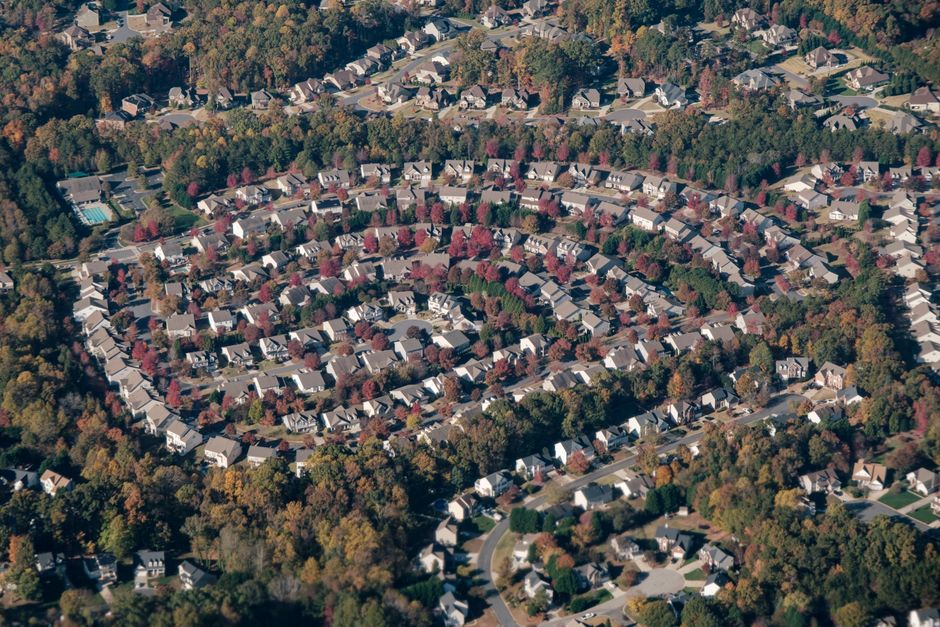
- What happened: More than $101 million in North Carolina recovery funding was awarded across the state, according to The Avery Journal-Times on October 28, 2026.
- Who it affects: North Carolina homeowners, homebuyers, landlords, and investors may monitor how recovery work affects access and local housing conditions.
- Where: The funding includes communities across North Carolina, including Banner Elk.
- Source: The Avery Journal-Times, published October 28, 2026.
What does North Carolina recovery funding mean for housing?
According to The Avery Journal-Times on October 28, 2026, Banner Elk is among the communities receiving portions of more than $101 million in North Carolina recovery funding. The funding is connected to recovery from Helene and could support rebuilding public infrastructure and essential services in affected areas.
The available summary does not identify the full list of recipient communities, the amount awarded to Banner Elk, or the specific projects each award will support. Public infrastructure means the roads, utilities, facilities, and services that communities rely on. The timing and effect of any work will depend on project planning, approvals, construction, and local conditions.
North Carolina recovery funding may matter to housing because property access and essential services can affect how practical a property is to occupy, repair, sell, or rent. Those possible effects are not guarantees about any individual property.
Source: The Avery Journal-Times
Why could North Carolina recovery funding affect homeowners and buyers?
How could infrastructure work affect access and daily services?
For homeowners in communities affected by storm damage, infrastructure work could make it easier to reach properties and use essential services. Better access may help owners complete repairs, coordinate contractors, and evaluate whether a property is practical to occupy or rent. North Carolina recovery funding does not guarantee that a particular road, utility, or public service will be repaired.
Construction can also create temporary delays, noise, or access limits. Homebuyers reviewing a property should distinguish confirmed improvements from possible future benefits and ask for property-specific information about damage, repairs, access, and habitability.
North Carolina recovery funding may improve property access in affected communities, but each property still requires individual review.
Could recovery work influence housing demand?
When public infrastructure becomes more reliable, it can support housing demand by improving an area’s day-to-day usability. Buyers may consider access, utilities, drainage, emergency services, and the status of nearby recovery projects. Homeowners considering a sale or refinance should also consider storm history, remaining damage, repair records, and the availability and cost of property insurance.
Recovery funding does not automatically eliminate those issues or guarantee a change in property value, marketability, or insurability. An appraisal is an opinion of a property’s market value prepared for a particular transaction or purpose, so an appraisal does not promise a future value.
What should North Carolina investors review?
Investors evaluating North Carolina rental or other investment properties may treat infrastructure progress as one part of a broader market review. Investors should verify the condition and access of each property, expected repair timelines, local rental demand, insurance requirements, and whether the property can support the intended use.
North Carolina recovery funding may strengthen investor confidence over time, but it is not a guarantee of higher rents, occupancy, or property values. Local project information and the condition of the specific property remain important.
What should North Carolina property owners watch next?
- Local announcements identifying projects, schedules, and agencies connected to Banner Elk’s award.
- Whether funded work improves road, utility, public-service, or property access conditions.
- Updates on storm-related repairs, insurance availability, and property habitability.
- Changes in buyer activity, rental demand, and investor interest as recovery progresses.
Transaction timing can change when a property has storm damage or is near active recovery work. A lender, insurer, appraiser, or buyer may request documentation about damage, repairs, access, or habitability before a loan or purchase can move forward.
Financing for North Carolina homeowners, homebuyers, and investors
Mortgage Bank of California dba MBANC (NMLS #38232) offers Non-QM loan programs for qualified North Carolina homeowners, homebuyers, and investors whose income or documentation may not fit a traditional bank’s process. Discuss the property’s occupancy, condition, and documentation needs for the situation. Explore North Carolina lending options.
Bottom line for North Carolina: More than $101 million in recovery funding could support infrastructure and essential services, including in Banner Elk. North Carolina homeowners, homebuyers, and investors should verify project details and review each property’s condition and access.
More North Carolina coverage
- North Carolina Plant Closure Housing Impact Explained (October 27, 2026)
- North Carolina Coastal Flood Advisory: Property Impacts (October 26, 2026)
- North Carolina Property Tax Amendment: What It Could Change (October 25, 2026)
Go Deeper
Mbanc NMLS #38232 | Equal Housing Opportunity Lender
Frequently Asked Questions
What is North Carolina recovery funding?
North Carolina recovery funding includes more than $101 million awarded across North Carolina, according to The Avery Journal-Times on October 28, 2026. Banner Elk is among the communities receiving a portion. The available summary connects the funding with recovery from Helene and says the funding could support public infrastructure and essential services.
How could North Carolina recovery funding affect housing?
North Carolina recovery funding could support public infrastructure and essential services, which may affect property access, local housing demand, and investor confidence. The effect depends on the projects selected, construction timing, local conditions, and the condition of each property. Funding does not guarantee a specific housing outcome.
Does North Carolina recovery funding guarantee higher property values?
No. North Carolina recovery funding does not guarantee higher property values, rents, occupancy, or investor returns. Buyers, homeowners, and investors should review each property’s condition, access, insurance, repair status, habitability, and local project timeline before making a decision.
Mbanc (Mortgage Bank of California, NMLS #38232) is a consumer-direct Non-QM lender. This content is for informational purposes only and does not constitute a commitment to lend. All loans subject to credit approval.