
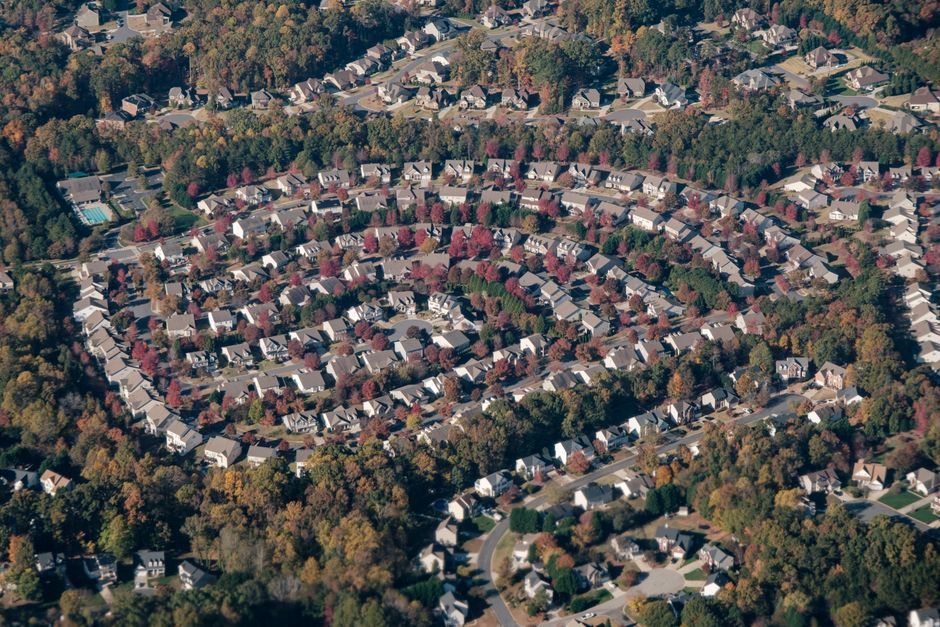

- What happened: According to WRAL on October 11, 2026, the remnants of Isaias may bring heavy rain, flooding, strong winds, and possible tornadoes to North Carolina.
- Who it affects: North Carolina homeowners, homebuyers, landlords, and real-estate investors may face property access, damage, utility, and scheduling issues.
- Where: The reported impacts may affect North Carolina statewide, with particular concern for western North Carolina and central North Carolina.
- Source: WRAL, published October 11, 2026
What does North Carolina storm property damage include?
According to WRAL on October 11, 2026, North Carolina is preparing for additional impacts from the remnants of Isaias, including heavy rain, flooding, strong winds, and possible tornadoes. North Carolina storm property damage can affect structures, roads, utilities, and the timing of real-estate decisions.
WRAL reported on October 11, 2026, that the storm had already caused power outages and flooding in parts of North Carolina. Flooded or blocked roads may limit access, utility interruptions can disrupt daily routines and rental operations, and additional rain may complicate cleanup and recovery.
North Carolina property owners should make safety the immediate priority. Local emergency alerts can provide current information about evacuation guidance, road closures, weather warnings, and utility conditions. Homeowners should avoid entering flooded areas and should not assume that a familiar route or property remains accessible after severe weather.
North Carolina flooding can affect property access before visible damage is fully understood.
Source: WRAL
Why are North Carolina storm property impacts important for homeowners, buyers, and investors?
What should homeowners check after flooding or wind?
Flooding, wind, and possible landslides can affect roofs, siding, windows, foundations, driveways, retaining features, and other parts of a property. Water can also damage personal belongings and systems inside a home. The practical effect depends on the property’s location, construction, drainage, and exposure.
If damage occurs, homeowners should document conditions when it is safe, keep records of communications and expenses, and contact the appropriate insurance provider. Coverage can depend on the policy and the type and source of damage. Homeowners should review their policies and ask insurance professionals specific coverage questions instead of assuming every storm-related loss is covered.
Can storm conditions delay a North Carolina home purchase?
Storm conditions can delay inspections, appraisals, closings, repairs, and property access. A buyer considering a North Carolina home should confirm that the property, roads, utilities, and required inspections remain accessible. If flooding or wind damage occurred, the buyer may need updated reports, repair documentation, or another review of the home’s condition.
Storm-related changes can also affect transaction timing. Buyers should stay in contact with their real-estate professional, lender, insurance provider, and closing team. A property that cannot be safely accessed or adequately evaluated may require additional time before a financing or purchase decision can be completed.
Western and central North Carolina may require extra attention to access, drainage, and damage documentation.
What should North Carolina investors review?
For landlords and other investors, outages, road closures, water damage, and repairs may interrupt rental operations or construction schedules. Owners may need to check whether tenants can safely access a property, whether essential services are working, and whether contractors can reach the site.
Investors evaluating a purchase should account for possible inspection, repair, insurance review, tenant turnover, or closing delays. The storm does not automatically determine a property’s value, but verified damage, continuing access problems, and repair costs can affect the property’s financial picture and timing.
What should North Carolina property owners watch next?
- Local alerts confirming the storm’s track, rainfall, wind, tornado, and flood threats.
- Updates on power restoration, road access, flooding, and possible landslides.
- Property inspections and insurance reviews confirming whether damage occurred.
- Changes to construction schedules, rental access, inspections, appraisals, or closing dates.
North Carolina property owners should use qualified professionals for safety, inspection, insurance, and transaction questions. Conditions can vary by property, and access may change as weather and utility information develops.
Financing for North Carolina investors when the picture changes
In North Carolina, Mortgage Bank of California dba MBANC (NMLS #38232) offers lending options that may help qualified homebuyers, homeowners, and investment-property buyers whose income or documentation does not fit a traditional bank’s standard process, including self-employed entrepreneurs, business owners, contractors, investors, retirees, and international buyers.
Bottom line for North Carolina: Storm impacts may affect property access, damage review, insurance questions, rental operations, and transaction timing. North Carolina homeowners, buyers, and investors should monitor local alerts and verify property conditions before making decisions.
More North Carolina coverage
- North Carolina Hurricane Isaias Housing Impact Guide (October 10, 2026)
- North Carolina Hurricane Isaias Housing Impact Guide (October 9, 2026)
- North Carolina Hurricane Rain: What Property Owners Should Know (October 8, 2026)
Go Deeper
Mbanc NMLS #38232 | Equal Housing Opportunity Lender
Frequently Asked Questions
What should North Carolina homeowners do about storm property damage?
North Carolina homeowners should check for visible storm property damage only when conditions are safe and the property is accessible. North Carolina homeowners should document conditions, keep records of related communications and expenses, and contact the appropriate insurance provider if flooding, wind, or other damage appears to have occurred.
Can North Carolina storm impacts delay a home purchase?
Yes. North Carolina storm impacts can delay a home purchase when flooding, road closures, utility interruptions, damage, or limited access affect inspections, appraisals, repairs, insurance review, or closing. North Carolina buyers should stay in contact with their real-estate professional, lender, insurance provider, and closing team.
What should North Carolina real-estate investors review after storm impacts?
North Carolina real-estate investors should review property access, tenant or rental interruptions, construction schedules, possible damage, repair needs, and insurance questions. North Carolina investors should also consider whether inspections, insurance review, repairs, tenant turnover, or closing timing may change before making or completing a purchase.
Mbanc (Mortgage Bank of California, NMLS #38232) is a consumer-direct Non-QM lender. This content is for informational purposes only and does not constitute a commitment to lend. All loans subject to credit approval.