
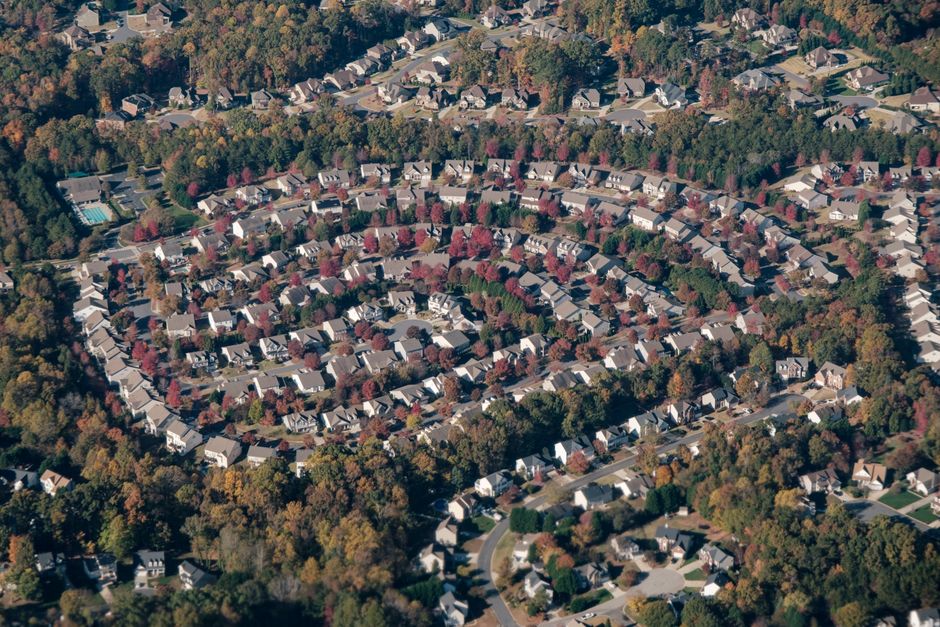

- What happened: Voters approved constitutional changes capping state income-tax rates and limiting property-tax increases.
- Who it affects: North Carolina homeowners, homebuyers, investors, local governments, and taxpayers.
- Where: North Carolina.
- Source: Raleigh News & Observer, published November 13, 2026
What happened
According to the Raleigh News & Observer, North Carolina voters approved constitutional changes that cap state income-tax rates and limit property-tax increases. The changes are not described as taking effect immediately. Their timing will depend on implementing legislation and the constitutional provisions.
The changes could affect how much revenue state and local governments collect in future years. According to the Raleigh News & Observer, that may influence public services, county budgeting, assessments, and the tax burden on homeowners. The practical outcome will depend on how the limits are implemented and how governments adjust their budgets.
For property owners, a limit on property-tax increases does not necessarily mean every owner’s tax bill will remain unchanged. A local tax bill can reflect factors such as the assessed value of the property and the tax rate adopted by the relevant jurisdiction. When a county reassesses property values or changes its tax rate, the amount owed can change even if a constitutional limit applies. Buyers and investors should review local rules and future county decisions rather than assume a uniform statewide result.
Source: Raleigh News & Observer
Why it matters for North Carolina homeowners, buyers, and investors
Property taxes and monthly housing costs
Property taxes are commonly included in a homeowner’s escrow calculation. If a future tax bill changes, the escrow amount and total monthly housing payment may also change when the servicer updates the account. The approved limit could constrain some increases, but the final effect will depend on the implementing rules, local assessments, and the tax rate in the county where the property is located.
County budgets and local services
Property taxes help support local government operations and services. If a county or municipality has less flexibility to raise property-tax revenue, officials may need to adjust spending, use other revenue sources, or revise priorities. The Raleigh News & Observer summary does not identify specific counties or services that will change. Buyers should therefore evaluate the local budget and service picture in the communities they are considering.
Buying and investing decisions
Tax rules are one part of a property’s carrying costs. Buyers should include taxes, insurance, maintenance, financing, and any association costs when comparing homes. Investors should also test rental-property projections under different tax and operating-cost assumptions. A limit on tax increases could support more predictable expenses in some situations, but changes in assessments, service levels, or other costs could offset that benefit.
Income-tax planning and qualification
The approved income-tax cap may affect future state revenue and the after-tax position of some households, but the summary does not specify the cap’s rate or implementation date. Borrowers should not assume a future tax change will alter loan qualification. Lenders generally review documented income, assets, debts, and property details under the applicable loan guidelines.
What to watch next
- Implementing legislation and constitutional provisions that establish the effective timeline.
- County budget decisions, property assessments, and adopted local tax rates.
- Any changes to public services or other local revenue sources.
- How lenders and servicers reflect updated property-tax information in underwriting and escrow reviews.
Financing when the picture changes
Mbanc’s Non-QM programs may help North Carolina owner-occupants and investment-property buyers who do not fit a traditional bank’s standard profile, including self-employed entrepreneurs, business owners, contractors, investors, retirees, and international buyers. Explore lending options across North Carolina while reviewing the taxes and other costs tied to the property.
More North Carolina coverage
- Charlotte Housing Market: What American’s Agreement Means (November 11, 2026)
- North Carolina Helene Recovery Funding and Housing (November 9, 2026)
- North Carolina Manufacturing Growth and Housing Demand (November 6, 2026)
Go Deeper
Mbanc NMLS #38232 | Equal Housing Opportunity Lender
Frequently Asked Questions
When will North Carolina’s new tax limits take effect?
According to the Raleigh News & Observer, the changes will take effect on a timeline set by implementing legislation and constitutional provisions. The summary does not provide a specific effective date.
Will the property-tax limit keep my North Carolina tax bill from rising?
Not necessarily. The practical result will depend on the implementing rules, local assessments, and tax rates. A change in assessed value or other local factors may still affect a property-tax bill.
Could these changes affect my mortgage payment?
They could affect the property-tax portion of an escrowed payment if the amount owed changes. Servicers typically update escrow calculations using the property’s tax information, but the effect will vary by property and jurisdiction.
Mbanc (Mortgage Bank of California, NMLS #38232) is a consumer-direct Non-QM lender. This content is for informational purposes only and does not constitute a commitment to lend. All loans subject to credit approval.