
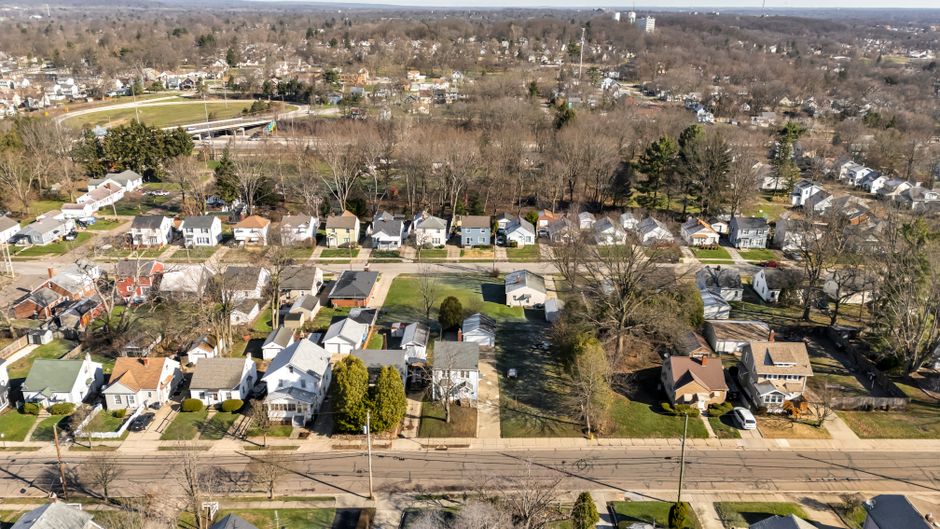

- What happened: Ohio home sales trailed broader expectations while national pending home sales reached a record low, according to Crain’s Cleveland on November 18, 2026.
- Who it affects: The Ohio housing market affects Ohio buyers, homeowners, sellers, real-estate investors, agents, and lenders.
- Why it matters: Slower sales may give Ohio buyers more negotiating leverage while limiting sellers’ price-growth momentum.
- Where: The reported sales issue involves Ohio, while the record-low pending-sales reading is national.
- Source: Crain’s Cleveland, published November 18, 2026.
Why is the Ohio housing market slowing?
According to Crain’s Cleveland on November 18, 2026, Ohio home sales continued to trail broader expectations while national pending home sales fell to a record low. The report points to persistent affordability and borrowing-cost pressure in the housing market.
Pending home sales generally reflect homes that are under contract but have not yet closed. According to Crain’s Cleveland on November 18, 2026, weaker contract activity can help explain why completed sales may slow in a later period. Affordability pressure means housing costs are difficult for some buyers to manage, while borrowing-cost pressure makes financing more challenging.
Ohio housing market activity is being constrained by affordability and borrowing-cost pressure, according to Crain’s Cleveland on November 18, 2026.
According to Crain’s Cleveland on November 18, 2026, lower transaction volume can affect real-estate investors, agents, and lenders across Ohio. Fewer transactions may mean fewer opportunities to originate loans, earn commissions, acquire properties, or complete renovations and resales.
Source: Crain’s Cleveland
What does the Ohio housing market slowdown mean for buyers?
Ohio buyers may have more negotiating room
Slower Ohio home sales can shift some leverage toward buyers, according to the implications described by Crain’s Cleveland on November 18, 2026. A buyer may have more time to compare homes, request repairs, negotiate contract terms, or make an offer below the asking price when a seller has fewer competing offers.
That opportunity does not mean every Ohio property will sell below its list price. Local conditions can differ by city, neighborhood, property type, and price range. According to Crain’s Cleveland on November 18, 2026, the broader issue is slower activity tied to affordability and borrowing costs, not a guaranteed result for every property.
Borrowing costs and affordability still matter. A buyer who qualifies for a loan must consider the full housing payment, including principal, interest, property taxes, homeowners insurance, and any association dues. A lower purchase price may help, but it may not solve the entire affordability challenge.
Ohio sellers may need to plan for a longer timeline
Slower transaction volume can limit sellers’ price-growth momentum, according to the market implications in Crain’s Cleveland on November 18, 2026. Sellers may need to pay close attention to comparable listings, property condition, presentation, and the time required to find a qualified buyer.
Pricing decisions can also affect appraisal results and the buyer’s ability to complete financing. An appraisal is an independent opinion of a property’s value used in the lending process. Homeowners who are not moving immediately may still benefit from reviewing their budget and equity position. The report does not provide a specific Ohio price forecast.
How could slower Ohio sales affect investors and lenders?
For Ohio real-estate investors, fewer completed sales can affect acquisition opportunities, resale timing, and assumptions about how quickly a property can be sold. Investors should evaluate expected rent, operating expenses, renovation costs, financing terms, and exit options rather than relying only on a recent sales trend.
Agents and lenders may also see fewer transactions when buyers delay decisions or sellers wait for stronger conditions, according to the implications identified by Crain’s Cleveland on November 18, 2026. Careful documentation, realistic timelines, and a clear understanding of qualification can matter for anyone preparing to purchase or refinance.
Slower Ohio sales can affect investors, agents, and lenders because fewer transactions reduce activity across the housing pipeline.
What should Ohio market participants watch next?
- Whether Ohio pending and completed sales improve or remain below expectations.
- Whether affordability and borrowing-cost pressure continues to delay buyer decisions.
- How Ohio listing times, seller concessions, and contract negotiations change in local markets.
- Whether investors adjust purchase prices, renovation plans, or expected holding periods.
Bottom line for Ohio: The Ohio housing market is showing slower sales activity alongside a record-low national pending-sales reading, according to Crain’s Cleveland on November 18, 2026. Buyers may gain negotiating room, while sellers and investors may need more cautious timelines.
More Ohio coverage
- Cleveland Modular Housing Project: What Ohio Buyers Should Know (November 18, 2026)
- Ohio Data Center Development: Housing Impacts Explained (November 15, 2026)
- Ohio Property-Tax Overhaul: What Housing Costs Could Change (November 14, 2026)
Go Deeper
What financing options are available for Ohio homebuyers and investors?
Mortgage Bank of California dba MBANC (NMLS #38232) offers Non-QM loan programs for Ohio owner-occupants and real-estate investors whose income, business structure, or financial profile does not fit a traditional bank’s standard guidelines. Potential borrowers can include self-employed entrepreneurs, business owners, contractors, and retirees. Explore Ohio financing options before you shop.
Mbanc NMLS #38232 | Equal Housing Opportunity Lender
Frequently Asked Questions
What does a record-low national pending-sales reading mean for the Ohio housing market?
A record-low national pending-sales reading means fewer homes are under contract nationally, according to Crain’s Cleveland on November 18, 2026. For the Ohio housing market, the reading may signal a slower transaction environment in which buyers have more time to compare homes and negotiate, although conditions vary by local market.
Will slower Ohio home sales cause home prices to fall?
Slower Ohio home sales do not necessarily mean that Ohio home prices will fall. According to Crain’s Cleveland on November 18, 2026, slower activity can limit sellers’ price-growth momentum, but the report does not establish a statewide price decline. Results can vary by location, property type, and price range.
How can Ohio real-estate investors respond to slower transaction volume?
Ohio real-estate investors can respond by reviewing purchase prices, financing costs, operating expenses, renovation budgets, rental income, and resale timing. Slower transaction volume may make the expected holding period more important, according to the market implications described by Crain’s Cleveland on November 18, 2026.
Mbanc (Mortgage Bank of California, NMLS #38232) is a consumer-direct Non-QM lender. This content is for informational purposes only and does not constitute a commitment to lend. All loans subject to credit approval.