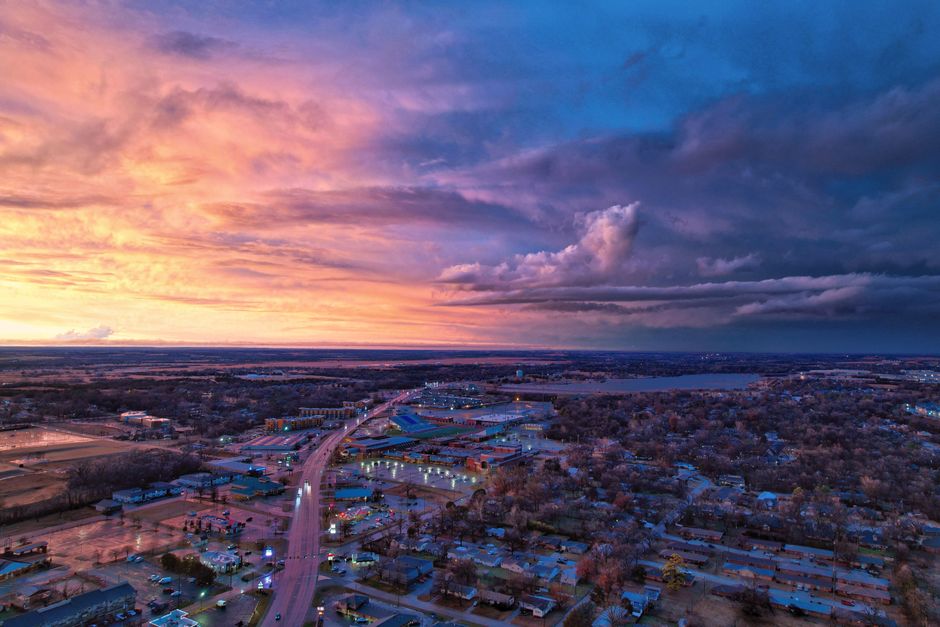
- What happened: According to KOCO on September 24, 2026, wildfires burned more than 350,000 acres as drought conditions worsened in Oklahoma.
- Who it affects: Oklahoma homeowners, buyers, landlords, agricultural households, and real-estate investors may face different property, insurance, and operating concerns.
- Where: The reported wildfire and drought conditions are in Oklahoma.
- Source: KOCO, published September 24, 2026.
What happened with Oklahoma wildfires and drought?
According to KOCO on September 24, 2026, worsening drought conditions accompanied wildfires that burned more than 350,000 acres in Oklahoma. The available report summary does not identify which properties, counties, or communities experienced the greatest damage.
Oklahoma wildfires and drought can create separate but related real-estate concerns. Fire may damage structures, outbuildings, fencing, utilities, roads, and surrounding land. Dry conditions can also increase concern about future fire exposure, water availability, landscaping, and agricultural activity. The effect on a specific property depends on its location, condition, access, insurance coverage, and nearby damage.
Wildfire damage can affect more than the main dwelling. Smoke, ash, heat, or damaged infrastructure may create repair, safety, and habitability questions even when a structure remains standing. An appraisal district is the local government office that determines taxable property value; its records may be relevant when owners review property information after damage.
Source: KOCO
Why do Oklahoma wildfires and drought matter for property owners and investors?
Property safety and condition
Owners and prospective buyers may need to review roofs, siding, decks, fencing, wells, septic systems, access roads, and detached buildings. A professional inspection and current property documentation can help identify issues before a purchase, refinance, or insurance review. Oklahoma wildfire conditions do not affect every property in the same way.
Insurance and closing timelines
Wildfire exposure may affect whether coverage is available, what exclusions apply, and how much a policy costs. Insurers may request additional property information or reassess coverage after a disaster. Buyers and investors should seek an insurance quote early because proof of adequate coverage is commonly part of lending and closing. Direct damage, repairs, inspections, documentation, and access restrictions may lengthen a transaction.
Values, rents, and operating income
Damage, access limitations, insurance costs, and tenant concerns can influence marketability and operating expenses. A nearby property and a directly damaged property may face different effects, while an area without physical damage may experience different conditions. Landlords should consider whether repairs, smoke impacts, utility interruptions, or reduced local activity could affect occupancy and rental income.
Oklahoma property values can respond differently depending on location, condition, insurance, access, and expected operating costs.
Agricultural and investment risks
KOCO’s September 24, 2026, report connects wildfire activity with worsening drought conditions. For properties tied to agricultural income, drought may affect cash flow or productive land use. For rental-property investors, important questions include whether a property remains insurable, whether tenants can safely occupy it, and whether expected expenses and income still support the investment plan. Lenders and investors may apply additional scrutiny when disaster conditions create uncertainty around collateral or repayment.
What should Oklahoma investors watch next?
- Official updates identifying affected Oklahoma areas and any continuing wildfire or access restrictions.
- Insurance availability, renewal terms, exclusions, and documentation requirements for properties in higher-risk locations.
- Inspection findings, repair estimates, and evidence that utilities and access are fully functioning.
- Changes in rental demand, agricultural income, property listings, and local transaction activity.
Financing for Oklahoma investors when the picture changes
Mortgage Bank of California dba MBANC (NMLS #38232) originates loans in Oklahoma only for business or investment purposes, such as financing non-owner-occupied residential rental property. Its Non-QM programs may help rental-property owners, landlords, portfolio investors, short-term-rental operators, and out-of-state investors buying in Oklahoma when a traditional bank does not fit the borrower’s circumstances. Learn more about investment lending in Oklahoma, and review the property, insurance, and disaster documentation early.
Bottom line for Oklahoma: Oklahoma wildfires and drought can change property, insurance, and operating risks without affecting every location equally. Investors should verify condition, access, coverage, and projected income before proceeding.
More Oklahoma coverage
- Inola Smelter Tulsa Housing Impact: What Investors Should Watch (September 24, 2026)
- Oklahoma Drought Property Investment Risks for Rural Markets (September 23, 2026)
- Caddo County Wildfire Oklahoma: Property Risks Explained (September 18, 2026)
Go Deeper
Mbanc NMLS #38232 | Equal Housing Opportunity Lender
Frequently Asked Questions
Can Oklahoma wildfires and drought affect an Oklahoma investment property?
Yes. Oklahoma wildfires and drought may affect property safety, access, insurance, repairs, rental operations, agricultural income, and marketability. The effect on an Oklahoma investment property depends on its location, condition, nearby damage, access, coverage, and operating circumstances.
What should an Oklahoma investor check before buying a property in an affected area?
An Oklahoma investor should review current insurance availability and terms, obtain an inspection, confirm utilities and access, document damage, and evaluate projected income and expenses. These checks can help an investor determine whether an affected Oklahoma property remains suitable for the planned business or investment purpose.
Does Mbanc finance owner-occupied homes in Oklahoma?
No. Mbanc originates loans in Oklahoma only for business or investment purposes, including qualifying non-owner-occupied residential rental property. Mbanc does not offer owner-occupied, primary-residence, or consumer mortgages in Oklahoma, so its Oklahoma financing is for investors and business-purpose borrowers.
Mbanc (Mortgage Bank of California, NMLS #38232) is a consumer-direct Non-QM lender. This content is for informational purposes only and does not constitute a commitment to lend. All loans subject to credit approval.