
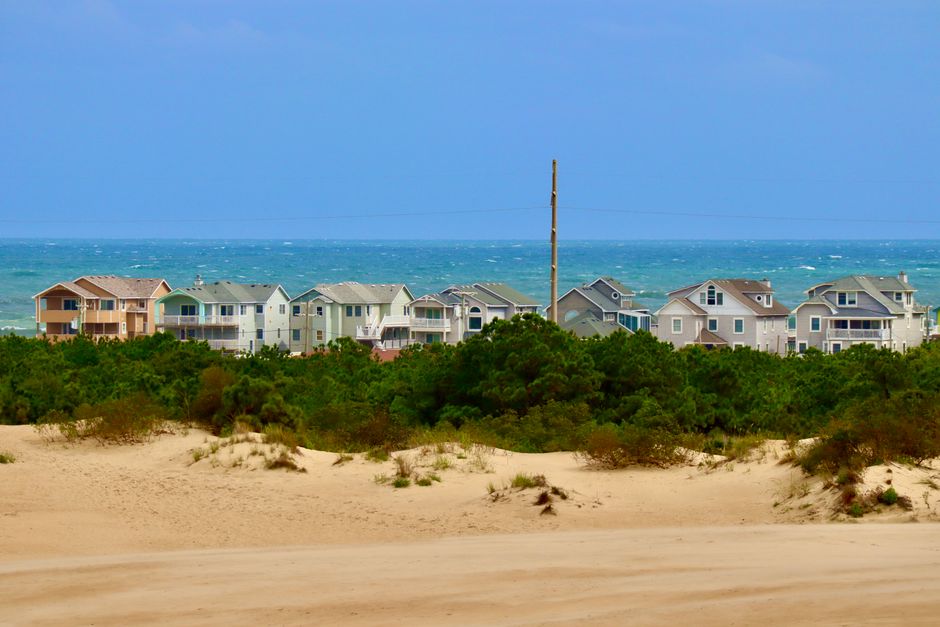
- What happened: According to WXII on October 19, 2026, a developing coastal system could bring a subtropical storm risk to the Outer Banks.
- Who it affects: North Carolina homeowners, homebuyers, property investors, and travelers in vulnerable coastal areas may need to monitor conditions.
- Where: The developing risk involves North Carolina’s Outer Banks and nearby coastal communities.
- Source: WXII, published October 19, 2026
What does Outer Banks storm risk mean for North Carolina?
According to WXII on October 19, 2026, a developing coastal system could bring a subtropical storm risk to North Carolina’s Outer Banks. Forecast details remain subject to change as the system develops, so the current outlook is not a final assessment of the storm’s path, strength, or local effects.
According to WXII on October 19, 2026, the potential system matters because coastal storms can bring high winds, coastal flooding, and storm surge. Those conditions can damage homes, affect roads and other travel routes, and increase risks for properties in vulnerable coastal areas. Residents and property owners should rely on official forecasts and local emergency guidance as more information becomes available.
North Carolina’s Outer Banks storm risk remains a developing situation, not a confirmed property loss or final damage assessment.
Outer Banks storm risk can affect property access, inspections, repairs, and transaction timing.
Source: WXII
Why could the Outer Banks storm risk matter to homeowners, buyers, and investors?
How could property condition and access change?
For Outer Banks homeowners, the immediate concern is protecting people and property while the forecast develops. According to WXII on October 19, 2026, high winds, coastal flooding, and storm surge could affect vulnerable coastal areas. Those conditions may affect roofs, siding, windows, exterior structures, unsecured items, lower levels, utilities, and access points.
Travel disruptions may also make it harder to reach a home, rental, or investment property for inspections, maintenance, or repairs. Buyers and investors should distinguish between a changing weather risk and a confirmed property loss. If a storm affects a property under contract, the buyer, seller, lender, insurance professionals, and local authorities may need to coordinate on access, inspections, repairs, and closing timing.
Could insurance, taxes, or financing be affected?
Coastal flooding and storm surge can increase attention on a property’s insurance coverage, exclusions, deductibles, and claims process. Standard homeowners coverage may not address every type of flood-related loss, so homeowners should review their policies and ask their insurance professionals what applies to the property. This is general information, not insurance, tax, or legal advice.
Storm damage can also affect a property’s marketability and financing review. Lenders may require evidence that repairs are complete, the property is safe and accessible, and required insurance is in place. Investors should account for possible repair delays, vacancy, interrupted rental operations, and additional due diligence. According to WXII on October 19, 2026, a developing forecast alone does not establish a property value change.
What should North Carolina property owners watch next?
- Updated forecasts from the National Hurricane Center and local weather authorities.
- Local watches, warnings, evacuation information, and emergency guidance for the Outer Banks.
- Reports on coastal flooding, storm surge, wind impacts, road access, and property damage.
- Insurance, inspection, and lender requirements if a property is affected before closing or refinancing.
What financing options can North Carolina investors, buyers, and homeowners review?
When a changing property situation makes traditional underwriting difficult, Mortgage Bank of California dba MBANC (NMLS #38232) offers Non-QM loan programs that may help qualified North Carolina homeowners, homebuyers, self-employed entrepreneurs, business owners, contractors, investors, and retirees who need a more flexible review. Learn more about Non-QM lending in North Carolina for owner-occupied homes and investment properties.
Bottom line for North Carolina: Outer Banks storm risk could affect coastal property condition, access, insurance review, and transaction timing. Homeowners, buyers, and investors should follow official forecasts and local emergency guidance before making property decisions.
More North Carolina coverage
- Hatteras Island Evacuation: Outer Banks Property Guide (October 18, 2026)
- Outer Banks Nor’easter: Flooding and NC 12 Impacts (October 17, 2026)
- Raleigh Rail Funding: What It Means for North Carolina (October 16, 2026)
Go Deeper
Mbanc NMLS #38232 | Equal Housing Opportunity Lender
Frequently Asked Questions
What should Outer Banks homeowners do while the forecast develops?
Outer Banks homeowners should monitor official forecasts and local emergency guidance while the coastal system develops. Outer Banks homeowners can review emergency plans, secure outdoor items when appropriate, and confirm how insurance addresses wind, flooding, and storm surge. Conditions and guidance may change as additional information becomes available.
Could Outer Banks storm risk affect a home purchase or refinance?
Outer Banks storm risk could affect access, inspections, repairs, insurance documentation, or closing timing if a property is damaged or local conditions disrupt normal operations. The effect depends on the property’s condition and the requirements of the transaction. Buyers and homeowners should coordinate with the relevant professionals before proceeding.
Does Outer Banks storm risk mean property values will fall?
No. Outer Banks storm risk does not by itself establish a property value change. According to WXII on October 19, 2026, forecast details remain subject to change. Confirmed damage, insurance conditions, and market activity would provide more relevant information about a specific property’s condition or transaction.
Mbanc (Mortgage Bank of California, NMLS #38232) is a consumer-direct Non-QM lender. This content is for informational purposes only and does not constitute a commitment to lend. All loans subject to credit approval.