
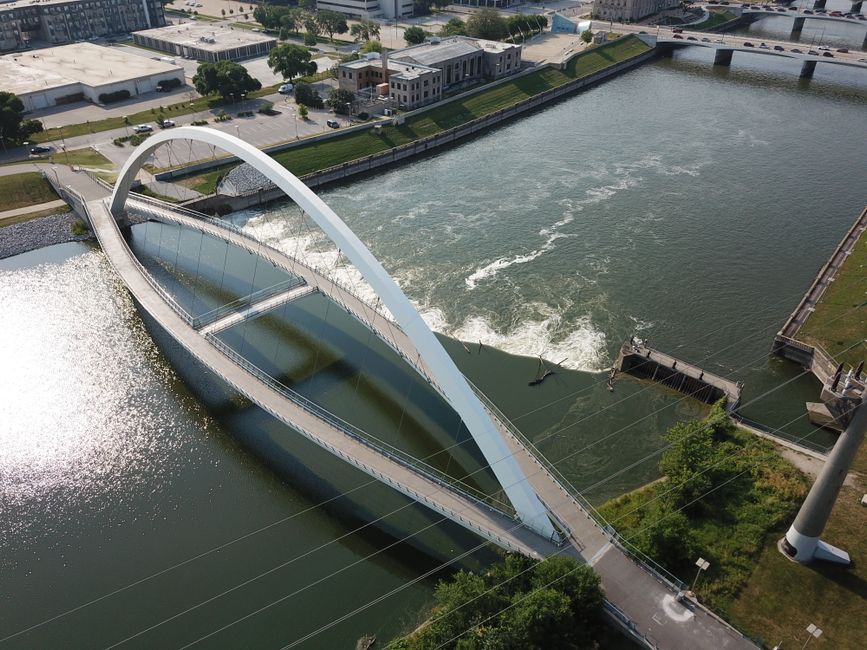
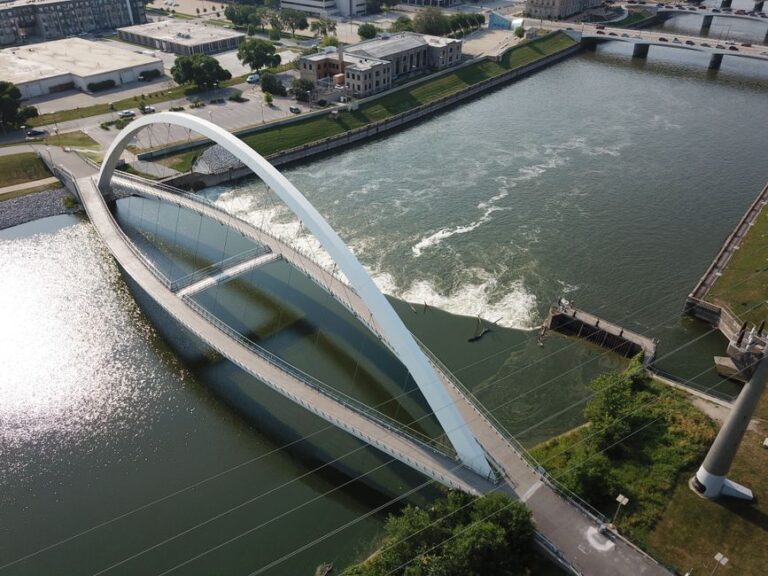
- What happened: More than 160 properties in Polk County, Iowa, were affected by September flooding, according to KCCI on October 19, 2026.
- Who it affects: Homeowners, prospective buyers, landlords, and real-estate investors may need to review property-specific flood information.
- Where: Polk County, Iowa, includes the Des Moines metro area.
- Source: KCCI, published October 19, 2026.
What happened with Polk County flooding in Iowa?
According to KCCI on October 19, 2026, more than 160 properties in Polk County, Iowa, were affected by flooding in September. KCCI reported that local officials were assessing affected homes and properties to understand the extent of the damage.
KCCI’s report, published October 19, 2026, does not provide a property-by-property breakdown, repair-cost estimates, or details about insurance claims. The reported impact may therefore differ from one property to another. Limited water intrusion can create a different repair and documentation process from structural, electrical, mechanical, or interior damage.
Polk County flooding is a property-specific issue, not a uniform condition across every affected property. Documentation of flooding, repairs, inspections, and insurance activity may become relevant when a property is sold, refinanced, insured, or evaluated for an investment purchase.
Source: KCCI, published October 19, 2026.
Why does Polk County flooding matter for Iowa property investors?
Flood history can affect more than immediate cleanup. Homeowners and buyers may face repair costs, insurance questions, additional inspections, and proof that repairs were completed. For Iowa property investors, those issues can affect purchase analysis, operating reserves, rental plans, and transaction timing.
How can flooding affect insurance and future costs?
Flood damage is generally evaluated separately from many standard homeowners insurance risks. Owners, buyers, and investors should confirm what coverage applied to the event and whether additional flood insurance is required or advisable. Requirements can depend on location, financing, and applicable flood-risk information. Insurance availability and premiums may also affect the ongoing cost of owning an affected property.
Insurance claims are requests for coverage review and payment under a policy. Investors should obtain available claim information and ask whether coverage, exclusions, or documentation requirements could affect the property plan.
How can flood history affect property value and due diligence?
A documented flood history can influence how buyers view a property and how investors estimate future expenses. Before purchasing in or near an affected area, review available disclosures, inspection findings, repair records, permits, insurance information, and flood-zone or mitigation details.
Due diligence means reviewing available information before committing to a purchase. Investors should consider whether repairs are complete and whether the property has measures intended to reduce future water damage. An appraisal is an opinion of a property’s value prepared for a specific purpose, so investors should not assume that a reported flood history has the same effect on every valuation.
Polk County flooding can make complete records especially important for Iowa property investors. A documented repair history can help distinguish known work from unresolved questions, although the available records may not describe every future cost.
What should landlords consider after flooding?
For landlords and portfolio investors, flooding can interrupt rental income while repairs are underway. It may also affect tenant communications, operating reserves, insurance costs, and the timing of a purchase or renovation. A realistic investment analysis should account for known repair needs and the possibility of additional mitigation or insurance expenses.
Rental-property owners should evaluate the property’s condition, expected repair schedule, documentation, and operating plan together. Short-term-rental operators and out-of-state investors buying in Iowa should also confirm who will manage inspections, repairs, tenant communications, and records.
What should Iowa investors watch next?
- Updates from Polk County or other local officials about properties assessed and types of damage identified.
- Inspection, repair, permit, and mitigation records for any property under consideration.
- Insurance responses, coverage requirements, and changes to the cost or availability of flood-related coverage.
- Whether documented flood history affects buyer demand, valuations, rental plans, or transaction timing.
Polk County flooding may affect investment decisions through property condition, insurance questions, repair planning, and operating risk. Iowa property investors should evaluate each property’s records and financing needs rather than apply the same assumption to every affected property.
Bottom line for Iowa: Polk County flooding adds property-specific questions for investors reviewing rentals and other business-purpose real-estate opportunities. Complete records, inspections, insurance information, and repair planning can help investors assess the opportunity.
More Iowa coverage
- Iowa Property Tax Statements: Madison County Delay (October 17, 2026)
- Iowa Unemployment Rate Housing: September Update (October 16, 2026)
- Iowa Steel Mill Housing Demand: What to Watch (October 15, 2026)
Go Deeper
Financing for Iowa investors when the picture changes
Mortgage Bank of California dba MBANC (NMLS #38232) originates business-purpose financing in Iowa for real-estate investors, including rental-property owners, landlords, portfolio investors, short-term-rental operators, and out-of-state investors buying Iowa properties. The Iowa investment lending resources may help investors evaluate financing when a property’s condition, income plan, or flood history requires closer review. MBANC does not offer owner-occupied, primary-residence, or consumer mortgages in Iowa.
Mbanc NMLS #38232 | Equal Housing Opportunity Lender
Frequently Asked Questions
How many Polk County properties were affected by the flooding?
According to KCCI on October 19, 2026, more than 160 properties in Polk County, Iowa, were affected by flooding in September. KCCI’s report does not provide a complete property-by-property description of the damage, so the condition and repair needs may differ among affected properties.
Can Polk County flooding affect an Iowa investment property?
Yes. Polk County flooding can affect an Iowa investment property’s repair planning, insurance questions, valuation, rental operations, and inspection timeline. Iowa property investors should review the specific property’s disclosures, inspection findings, repair records, permits, insurance information, and available flood-zone or mitigation details rather than assume every affected property has the same risk.
Does MBANC finance owner-occupied homes in Iowa?
No. Mortgage Bank of California dba MBANC (NMLS #38232) originates loans in Iowa only for business or investment purposes, including financing secured by non-owner-occupied residential rental property. MBANC does not offer owner-occupied, primary-residence, or consumer mortgages in Iowa.
Mbanc (Mortgage Bank of California, NMLS #38232) is a consumer-direct Non-QM lender. This content is for informational purposes only and does not constitute a commitment to lend. All loans subject to credit approval.