
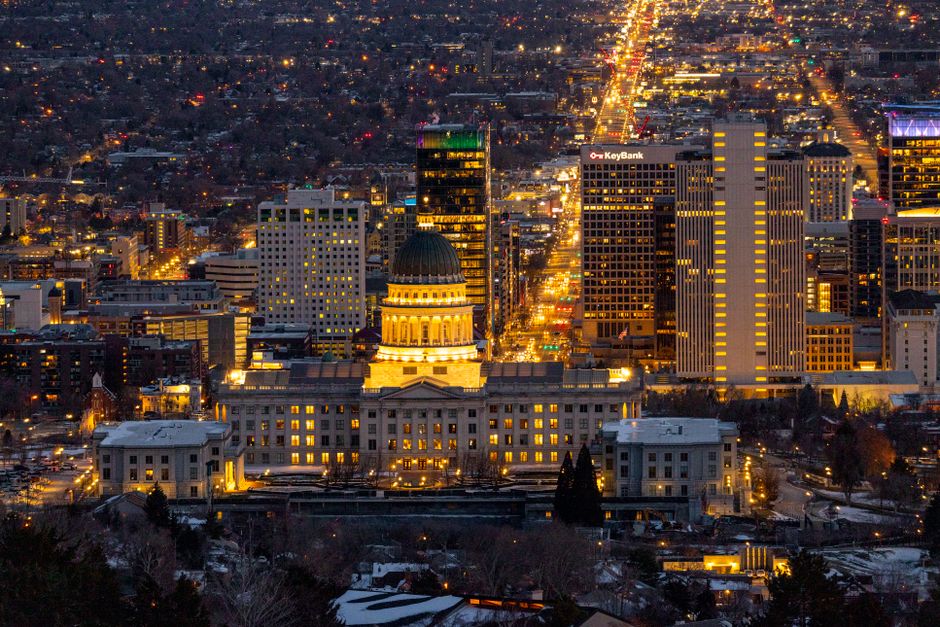

- What happened: According to Building Salt Lake on November 16, 2026, Salt Lake City reduced some developer tax rebates and made green building requirements mandatory for qualifying projects.
- Who it affects: The reported changes may affect developers, builders, buyers, homeowners, renters, and real-estate investors connected to Salt Lake City projects.
- Where: Salt Lake City, Utah.
- Source: Building Salt Lake, published November 16, 2026.
What are Salt Lake City green building requirements?
Salt Lake City green building requirements are mandatory standards for qualifying development projects, according to Building Salt Lake on November 16, 2026. The same report said Salt Lake City reduced some tax rebates available to developers. The available summary does not provide the full eligibility rules or identify every affected building type.
A tax rebate is a reduction or return of certain taxes that can lower a project’s effective cost. When some rebates are reduced, developers may need to revisit budgets, financing, designs, or construction schedules. Mandatory building standards can also affect planning, materials, design choices, and construction decisions, depending on how the requirements apply.
Salt Lake City green building requirements may change how developers evaluate projects, but the available information does not establish the size of any effect. Building Salt Lake reported on November 16, 2026, that the changes could affect development costs, project feasibility, and the supply of new housing in the city.
Salt Lake City green building requirements may influence project feasibility without determining the outcome of every development.
Source: Building Salt Lake
Why could the changes matter for Utah homeowners, buyers, and investors?
Could new housing take longer to reach the market?
If a qualifying project requires additional planning, design work, or compliance steps, its timeline may change. Building Salt Lake reported on November 16, 2026, that the policy changes could affect the supply of new housing. Buyers waiting for new construction may therefore want to monitor project milestones rather than assume an announced project will be completed on its original schedule.
A slower development pipeline could delay when new homes or apartments become available in Salt Lake City. The available reporting does not say whether projects will be delayed, redesigned, or canceled, so the timing of any effect remains uncertain.
Could development costs influence rents and property values?
Reduced rebates may increase the portion of project costs that developers must cover through equity, financing, sales, or rents. Developers make decisions based on many factors, so higher costs do not automatically create a specific increase for a buyer, homeowner, or renter. Costs can, however, affect whether a project proceeds, what it includes, and how it is priced.
Salt Lake City development costs can affect housing decisions, but the direction and size of any market effect remain uncertain.
What should Utah real-estate investors review?
Investors considering Salt Lake City property may want to review development budgets, renovation plans, expected rents, and project timing. A project that depends on a rebate should be evaluated using current rules rather than an earlier estimate. Investors should also distinguish between an existing property and a future project that may fall under qualifying-project requirements.
According to Building Salt Lake on November 16, 2026, the changes could affect project feasibility and property values. That report does not quantify any effect on expected returns, rents, or values. A project-specific review is important because the available summary does not identify every qualifying building type or requirement.
Will existing homeowners see a direct change?
The available summary does not say that the reported changes automatically alter an existing homeowner’s mortgage, property taxes, or insurance. Broader effects could come through future housing supply and local market conditions. If fewer new homes are delivered, limited supply may affect competition, rents, or values, but Building Salt Lake did not establish the direction or size of those effects on November 16, 2026.
What should Utah residents watch next?
- City guidance explaining which projects qualify and how the mandatory standards will be applied.
- Developer decisions to proceed, redesign, delay, or cancel projects affected by the rebate changes.
- Changes in project timelines, apartment openings, rents, and new-home listings in Salt Lake City.
- Updated feasibility estimates showing how developers account for reduced rebates and compliance costs.
These developments may be relevant to anyone evaluating a new home, an existing property, or an investment project in Salt Lake City. The reported policy changes concern qualifying development projects, while their broader effects remain subject to project decisions and market conditions.
Financing for Utah homebuyers, homeowners, and investors
When policy changes complicate income, timing, or property plans, Mortgage Bank of California dba MBANC (NMLS #38232) offers Non-QM lending for Utah owner-occupants and investment-property borrowers who may not fit a traditional bank’s standard process. Potential borrowers may include self-employed entrepreneurs, business owners, contractors, investors, retirees, and international buyers. Learn more about Mbanc lending in Utah and discuss your situation with a licensed loan professional.
Bottom line for Salt Lake City, Utah: According to Building Salt Lake on November 16, 2026, reduced developer tax rebates and mandatory green building requirements could affect qualifying project costs, feasibility, timing, and housing supply. The effects on rents and property values are not yet quantified.
More Utah coverage
- 800 East Rezoning Salt Lake City: What to Know (November 15, 2026)
- Utah Home Insurance Changes: What Borrowers Should Know (November 13, 2026)
- Utah AI Data Center Investment and Housing in Utah (November 12, 2026)
Go Deeper
Mbanc NMLS #38232 | Equal Housing Opportunity Lender
Frequently Asked Questions
What are Salt Lake City green building requirements?
Salt Lake City green building requirements are mandatory standards for qualifying development projects, according to Building Salt Lake on November 16, 2026. The report also said Salt Lake City reduced some developer tax rebates. The available summary does not explain every requirement, eligibility rule, or affected building type.
Will Salt Lake City changes immediately alter a mortgage or property taxes?
No, the available summary does not report an immediate change to an existing homeowner’s mortgage or property taxes. The reported Salt Lake City changes concern qualifying development projects. Existing homeowners may experience indirect effects through housing supply, rents, and property values, but the size and timing remain uncertain.
What should a Salt Lake City investor review?
A Salt Lake City investor should review whether a planned project qualifies under the reported rules, whether its budget relies on a rebate, and how compliance could affect timing, financing, rents, or expected returns. Building Salt Lake did not quantify those effects on November 16, 2026, so project-specific analysis remains important.
Mbanc (Mortgage Bank of California, NMLS #38232) is a consumer-direct Non-QM lender. This content is for informational purposes only and does not constitute a commitment to lend. All loans subject to credit approval.