
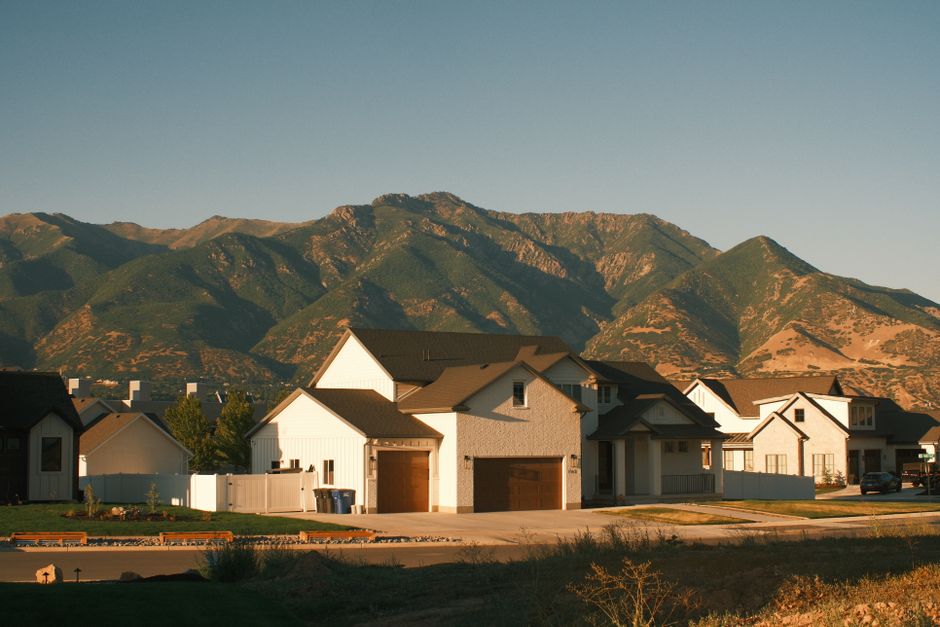

- What happened: Remnants of Hurricane Polo are bringing additional rain to parts of the flood-struck United States Southwest, including Utah.
- Who it affects: Utah homeowners, homebuyers, and real-estate investors, especially in southern Utah, may face property-access, repair, insurance, and timing concerns.
- Where: The reported conditions involve Utah and other parts of the United States Southwest.
- Source: Utah Public Radio, published September 30, 2026.
Why is Utah flood risk increasing after more rain?
According to Utah Public Radio on September 30, 2026, remnants of Hurricane Polo are bringing additional rain to parts of the flood-struck United States Southwest, including Utah. Additional rainfall can worsen existing flooding and create more concerns for homes, roads, utilities, and other infrastructure.
According to Utah Public Radio on September 30, 2026, southern Utah is among the areas where homeowners may face heightened recovery and insurance concerns. The effect can vary by property. A home outside a flooded area may still be affected when nearby roads close, drainage systems become overwhelmed, or utilities and services are disrupted.
Utah flood risk can affect property access even when a building has no visible damage. Current conditions may make inspections, repairs, deliveries, contractor visits, and property evaluations more difficult. Buyers and investors should account for these practical conditions before making decisions.
Source: Utah Public Radio
What does Utah flood risk mean for homeowners, buyers, and investors?
How can more rain affect Utah homeowners?
Additional rainfall can increase the risk of water entering homes, damaging personal property, or affecting electrical, mechanical, and structural systems. Flooded roads or damaged infrastructure can also limit access and delay contractors, inspections, deliveries, and repairs, even when the home itself appears unaffected.
Homeowners should keep records of damage, contact an insurance provider promptly when appropriate, and follow instructions from local emergency and public-safety officials. Insurance coverage depends on the policy and the cause of loss. Flood-related damage may not be handled the same way as other water damage, so homeowners should review coverage rather than assume a claim will be paid.
Utah flood risk can delay repairs even when a home has no visible damage.
What should Utah homebuyers check before closing?
Utah homebuyers should confirm whether the property, access routes, utilities, and nearby services are operating normally. A professional inspection can help identify visible damage, while current insurance information, repair records, and details about disaster-related work may provide additional context.
Flood conditions can change the practical value of a property even if the list price has not changed. A closing may be harder to complete if the property cannot be inspected, appraised, insured, or accessed. Buyers should ask real-estate and lending professionals how current conditions could affect deadlines and required documentation.
In Utah, property access is part of evaluating a flood-affected purchase.
What should Utah real-estate investors consider?
Investors should consider whether a property can be occupied, rented, renovated, or sold while flood conditions continue. Delayed repairs can affect operating plans, while access problems may affect tenant communication and contractor scheduling.
Before making an offer, investors should evaluate current conditions, insurance availability, repair scope, and the possibility that normal operations could take longer to resume. These considerations can help investors assess timing and property-specific risks without assuming that conditions are the same across southern Utah.
What should Utah property owners watch next?
- Whether additional rainfall produces new flooding or expands existing flood impacts in Utah.
- Updates from local authorities about road access, utilities, evacuations, and public safety.
- Property-specific inspection, insurance, and repair information before a purchase or closing.
- Whether damage reports or access problems change the timing of repairs, occupancy, or investment plans.
How can Utah investors, homeowners, and buyers review financing?
When disaster conditions make standard income or property documentation more difficult, Mortgage Bank of California dba MBANC (NMLS #38232) offers Non-QM programs for eligible Utah owner-occupied and investment-property borrowers whose finances may not fit traditional bank guidelines. This may include self-employed entrepreneurs, business owners, contractors, retirees, and international buyers. Learn more about Non-QM lending across Utah, subject to credit approval and property review.
Utah flood risk can make property condition and access important parts of financing review.
Bottom line for Utah: According to Utah Public Radio on September 30, 2026, additional rain from Hurricane Polo’s remnants may worsen flooding in parts of Utah. Homeowners, buyers, and investors should verify property access, damage, insurance, and timing before acting.
More Utah coverage
- What Utah’s 2026 Flood Warnings Mean for Property Decisions (September 29, 2026)
- Southern Utah Flood Risk: St. George Property Guide (September 27, 2026)
- Utah Wildfire Real Estate Risks for Property Owners (September 26, 2026)
Go Deeper
Mbanc NMLS #38232 | Equal Housing Opportunity Lender
Frequently Asked Questions
What is Utah flood risk after Hurricane Polo’s remnants bring more rain?
Utah flood risk may increase because remnants of Hurricane Polo are bringing additional rain to parts of Utah. According to Utah Public Radio on September 30, 2026, the rainfall may worsen flooding and increase concerns involving property damage, access, infrastructure, insurance, repairs, and purchase or closing timelines.
What should Utah homebuyers check before purchasing a flood-affected property?
Utah homebuyers should verify current property access, utilities, visible damage, inspection results, insurance availability, and repair records before purchasing a flood-affected property. Buyers should also discuss potential deadline and documentation issues with their real-estate and lending professionals before closing.
Can MBANC help Utah homeowners and investors review financing?
Mortgage Bank of California dba MBANC (NMLS #38232) offers Non-QM lending for eligible Utah owner-occupied and investment-property borrowers whose income or documentation may not fit traditional bank requirements. All loans are subject to credit approval and property review.
Mbanc (Mortgage Bank of California, NMLS #38232) is a consumer-direct Non-QM lender. This content is for informational purposes only and does not constitute a commitment to lend. All loans subject to credit approval.