
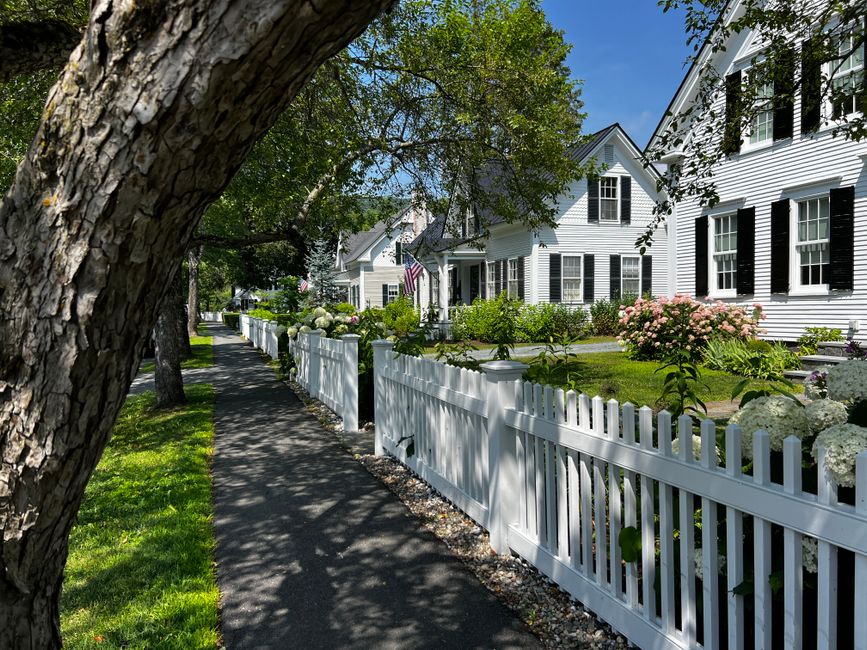

- What happened: According to Compass Vermont on November 5, 2026, Vermont lawmakers face a spring deadline to consider expanding access to factory-built housing.
- Who it affects: The discussion could affect homebuyers, homeowners, landlords, portfolio investors, and rural communities.
- Where: The policy discussion concerns Vermont.
- Source: Compass Vermont, published November 5, 2026
Why are Vermont factory-built homes part of the policy discussion?
According to Compass Vermont on November 5, 2026, Vermont lawmakers face a spring deadline to expand access to factory-built housing. Factory-built housing can include manufactured and modular homes, according to Compass Vermont on November 5, 2026.
Vermont factory-built homes could give communities another way to add housing, according to Compass Vermont on November 5, 2026. The summary does not identify the specific rules lawmakers may change or state that any proposal has been enacted. State and local requirements can affect where factory-built homes may be placed, how projects are reviewed, and how homes fit into existing development processes.
Vermont factory-built homes may expand housing choices, but the practical result depends on final rules, local implementation, site conditions, and participation by builders, lenders, buyers, and investors, according to Compass Vermont on November 5, 2026.
Source: Compass Vermont
What could the Vermont proposal mean for buyers and rural communities?
More potential housing choices
If Vermont expands access to manufactured and modular homes, buyers may have more property types to consider, especially in rural communities with limited inventory, according to Compass Vermont on November 5, 2026. More choices could affect the search process, site selection, construction timing, and the total cost of acquiring a home. The summary does not establish that prices will fall or that supply will increase.
Vermont factory-built homes could support additional housing options in rural communities, but the result will depend on implementation. Final rules may determine whether builders can use the potential pathway and whether local requirements continue to limit particular sites.
How could property classification affect financing?
Factory-built properties can involve different documentation and underwriting questions from site-built homes, according to Compass Vermont on November 5, 2026. A lender may review the home type, land ownership, foundation or installation details, title treatment, condition, intended use, and comparable sales. An appraisal is an opinion of a property’s market value. Those factors can affect qualification, valuation, loan structure, and closing timing.
Buyers should ask potential lenders early whether a lender finances the specific property type and whether the land and home are treated together for the proposed transaction. A policy change alone does not guarantee that every lender will offer financing for every manufactured or modular property.
What could change for landlords and investors?
For landlords and other investors, additional factory-built housing could create properties to evaluate in Vermont markets with limited inventory, according to Compass Vermont on November 5, 2026. Investors should study local demand, zoning, insurance availability, maintenance needs, installation costs, and likely resale conditions. A less common property type may require careful valuation and an early lender discussion.
For existing homeowners, increased supply could change the mix of housing available nearby over time. The effect on individual property values, rents, or resale timing cannot be determined from the summary and would vary by community.
Vermont factory-built homes may broaden housing choices without guaranteeing lower prices. Vermont lawmakers’ final rules and local implementation will determine the practical effect.
What should people watch before the spring deadline?
- According to Compass Vermont on November 5, 2026, the specific legislation or rule language Vermont lawmakers consider before the spring deadline.
- Whether final changes address placement, approvals, construction standards, or other barriers.
- How municipalities, lenders, insurers, and appraisers respond to any enacted changes.
- Evidence that builders and investors are bringing more factory-built projects to Vermont communities.
Financing for Vermont investors when the picture changes
Mortgage Bank of California dba MBANC (NMLS #38232) originates loans in Vermont only for business or investment purposes, including loans secured by non-owner-occupied residential rental property. Vermont rental-property owners, landlords, portfolio investors, short-term-rental operators, and out-of-state investors buying in Vermont can review Vermont investment-property lending options, subject to credit approval and program guidelines.
Bottom line for Vermont: Vermont factory-built homes could add housing options if lawmakers expand access, but the effect on placement, financing, supply, and resale depends on final rules and local implementation.
More Vermont coverage
- Vermont Homelessness Rate: Housing Pressure Explained (November 5, 2026)
- Vermont Housing Shortage: Effects Across Vermont Communities (November 3, 2026)
- Vermont Housing Policy: What Investors Should Know (October 29, 2026)
Go Deeper
Mbanc NMLS #38232 | Equal Housing Opportunity Lender
Frequently Asked Questions
What are Vermont factory-built homes?
Vermont factory-built homes are housing built in a factory and can include manufactured and modular homes, according to Compass Vermont on November 5, 2026. The exact treatment of each property depends on applicable rules, the home, the site, and the transaction. The current summary does not identify every rule that Vermont lawmakers may consider changing.
Could Vermont rule changes make factory-built homes easier to finance?
Vermont rule changes could make some factory-built homes easier to finance, but the outcome depends on final rules and lender requirements. Lenders may review the property type, land ownership, installation, condition, valuation, and intended use before approving financing. A policy change would not require every lender to finance every manufactured or modular property.
Can Mbanc finance Vermont factory-built homes for investors?
Mbanc can consider Vermont factory-built homes only for business or investment purposes, subject to credit approval and program guidelines. Mortgage Bank of California dba MBANC (NMLS #38232) does not offer owner-occupied, primary-residence, or consumer mortgages in Vermont. Eligible borrowers may include landlords, rental-property owners, portfolio investors, short-term-rental operators, and out-of-state investors.
Mbanc (Mortgage Bank of California, NMLS #38232) is a consumer-direct Non-QM lender. This content is for informational purposes only and does not constitute a commitment to lend. All loans subject to credit approval.