
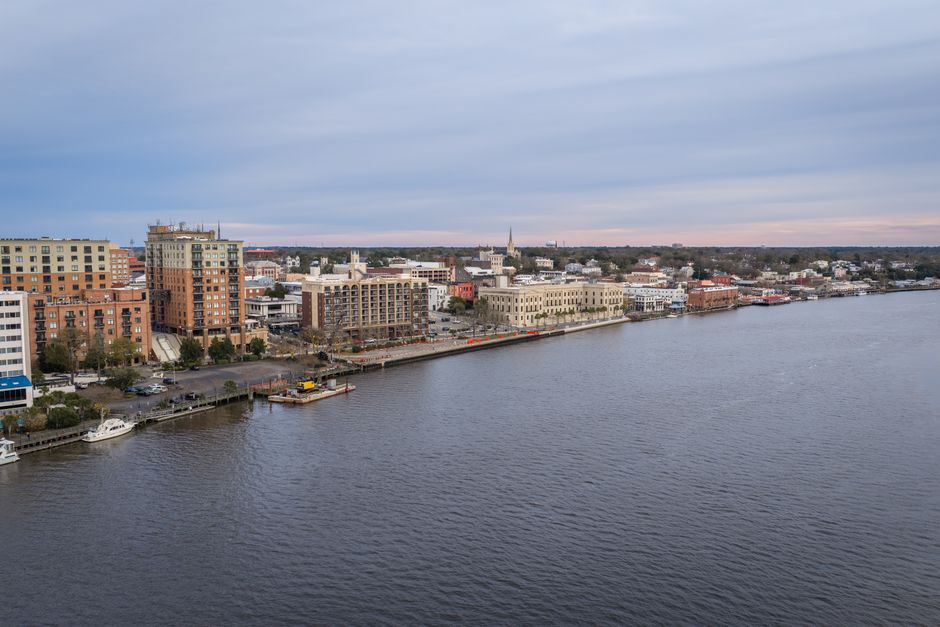

- What happened: A coastal flood advisory affected Inland New Hanover County through Monday morning, according to the Charlotte Observer on November 23, 2026.
- Who it affects: Wilmington-area homeowners, buyers, and property investors near vulnerable waterways may need to review local conditions.
- Where: Inland New Hanover County, North Carolina, in the Wilmington area.
- Source: Charlotte Observer, published November 23, 2026.
What does the Wilmington flood advisory mean?
The Wilmington flood advisory affected Inland New Hanover County through Monday morning as water levels rose along vulnerable waterways, according to the Charlotte Observer on November 23, 2026. The report does not provide property-by-property conditions or identify every road, neighborhood, or structure at risk.
Flood conditions can vary with elevation, drainage, waterway location, and access routes. Wilmington flooding can damage building materials, belongings, mechanical systems, driveways, and other improvements. Water can also disrupt access without entering a home or rental property.
For homeowners, the immediate question is whether rising water affects the structure, utilities, surrounding property, or routes to the property. For buyers and investors, the advisory is a reminder to consider insurance, maintenance, property use, repairs, and ownership costs before making a housing decision.
Source: Charlotte Observer, published November 23, 2026.
Why does flooding matter for North Carolina homeowners, buyers, and investors?
What should homeowners review after flooding?
North Carolina homeowners should monitor current local information, avoid unsafe roads, and document visible conditions if damage occurs. Homeowners should review their insurance coverage and contact their insurer when appropriate because coverage depends on the policy and the type of loss.
Flooding can affect building materials, belongings, mechanical systems, driveways, utilities, and access routes. A homeowner documenting conditions should focus on visible damage and changes around the property. Local conditions can change, so information about one property may not describe another property nearby.
What should Wilmington buyers ask before purchasing?
Wilmington buyers should ask about flood exposure, drainage, elevation, prior water problems, access, and insurance needs before purchasing a property. An appraisal district is a local office or agency that maintains property valuation records; those records do not replace property-specific flood research.
A standard inspection can identify some visible property conditions, but it does not replace research into flooding, drainage, elevation, prior water problems, or insurance availability. Buyers should confirm whether flood insurance may be required or advisable and evaluate how water affects access to the home.
Flood risk can affect the transaction timeline. Insurance research, property reviews, repairs, and lender requirements may need attention before closing. Buyers who budget only for the purchase price and regular housing expenses may be unprepared for insurance costs, cleanup, drainage work, or other ownership expenses.
Wilmington flood exposure deserves review before a buyer commits to a property.
How can flooding affect an investment property?
Flooding can create repair costs, vacancy, delayed access, and interruptions to rental operations for investors. Investors should consider drainage, elevation, flood insurance, tenant access, emergency repairs, and the effect of these risks on the property’s cash flow.
A property that appears attractive based on purchase price alone may have a different risk profile after these factors are included. Flood exposure does not automatically determine a property’s value or financing eligibility. Lenders and insurers may request property information, and borrowers should be prepared to explain how recurring risks and possible repairs fit into the ownership plan.
North Carolina investment properties can face operating disruptions when flooding limits access or requires repairs.
What should Wilmington property owners watch next?
- Whether local officials extend, end, or update the coastal flood advisory.
- Whether water levels continue affecting roads, access, or structures near vulnerable waterways.
- Whether affected properties show visible damage or require cleanup and repairs.
- Whether insurance availability, coverage, or lender requirements affect a specific purchase.
These items should be evaluated for the specific property and situation rather than assumed from conditions elsewhere in Inland New Hanover County.
How can investors and homebuyers approach financing when conditions change?
When a traditional bank does not fit the borrower or property, Mortgage Bank of California dba MBANC (NMLS #38232) may help eligible North Carolina homebuyers, homeowners, self-employed entrepreneurs, business owners, contractors, retirees, and real-estate investors pursue financing through a broader review of their financial situation. Learn more about Non-QM lending in North Carolina, including options for owner-occupied and investment properties.
Bottom line for Wilmington: The Wilmington flood advisory is a reminder to review drainage, elevation, access, insurance, and repair risks for a specific property before making a housing or investment decision. Local conditions may vary across Inland New Hanover County.
More North Carolina coverage
- Morehead City Flood Maps: What North Carolina Owners Should Know (November 22, 2026)
- Asheville Housing Demand and Western North Carolina Growth (November 21, 2026)
- North Carolina Beach Storm Risk: Property Guide (November 20, 2026)
Go Deeper
Mbanc NMLS #38232 | Equal Housing Opportunity Lender
Frequently Asked Questions
What areas does the Wilmington flood advisory affect?
The Wilmington flood advisory affected Inland New Hanover County through Monday morning as water levels rose along vulnerable waterways, according to the Charlotte Observer on November 23, 2026. The report does not identify every affected road, neighborhood, or structure, so Wilmington residents should follow current local information for property-specific conditions.
Should Wilmington buyers ask about flood risk?
Yes. Wilmington buyers should evaluate drainage, elevation, access, prior water problems, and flood-insurance needs before purchasing a property. A standard inspection does not replace flood research, and a lender, insurer, and qualified property professionals can provide information specific to the home and transaction.
Can flooding affect a Wilmington investment property?
Yes. Flooding can affect a Wilmington investment property through repairs, access problems, vacancy, insurance expenses, and interruptions to rental operations. Investors should include drainage, elevation, tenant access, emergency repairs, and potential operating effects in the property and financing review.
Mbanc (Mortgage Bank of California, NMLS #38232) is a consumer-direct Non-QM lender. This content is for informational purposes only and does not constitute a commitment to lend. All loans subject to credit approval.