
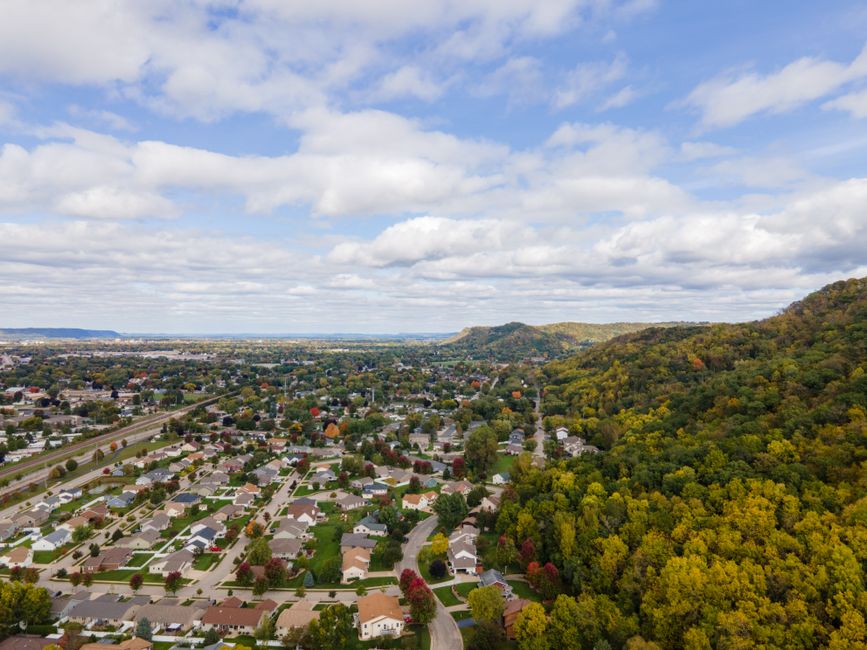
- What happened: According to NPR on October 25, 2026, a large data center project created significant disagreement in a Wisconsin community over local effects.
- Who it affects: The Wisconsin data center debate may matter to nearby homeowners, buyers, landlords, investors, local businesses and public agencies.
- Where: The project is in Wisconsin, although the available summary does not identify a specific site.
- Source: NPR, published October 25, 2026.
What does the Wisconsin data center debate mean?
According to NPR on October 25, 2026, a large data center project has generated significant disagreement in a Wisconsin community over its local effects. The available summary does not provide the specific site, proposed capacity, timeline or positions taken by community members.
A data center is a large facility that supports digital services and may require substantial land, electricity, water, transportation access and supporting infrastructure. Those requirements can create construction activity, jobs and tax revenue while also raising questions about land use, utility demand, roads, noise and environmental effects.
For Wisconsin property owners and real-estate investors, the important question is how the project could change future demand, costs and development patterns. Potential considerations include property values, rents, taxes, insurance and operating expenses, but the available NPR summary does not establish a specific effect on any of those items.
Source: NPR
Why could a Wisconsin data center affect property decisions?
How can land use change the investment outlook?
A major project can increase development pressure around its site. Nearby parcels could become more attractive for housing, retail, storage or other commercial uses, while other properties could face concerns about traffic, noise, visual impact or changing neighborhood character. The effect can vary by distance from the facility and the final site plan.
Wisconsin homeowners and buyers considering property near a proposed project can review local zoning, planning documents and public meeting materials. For investors, unsettled land-use, access or infrastructure plans can add uncertainty to an otherwise attractive purchase.
Wisconsin land-use decisions can change the risk profile of nearby property.
Could construction and jobs affect rental demand?
Construction activity and new employment may increase demand for short-term accommodations or long-term rentals. That possibility could matter to Wisconsin landlords and short-term-rental operators if workers or additional residents need local housing. Demand may be temporary, however, and the outcome depends on job type, workforce size, commuting patterns, housing supply and the project’s schedule.
Investors can underwrite rents and occupancy using current, supportable conditions rather than assuming a permanent increase. New housing construction could also add competition. Available information about the Wisconsin project does not establish how many jobs it would create or how long construction would last.
Wisconsin rental demand depends on project timing, workforce needs and available housing.
What should investors know about utilities, taxes and infrastructure?
Data centers can place new demands on electricity, water, roads and other public systems. If local governments or utilities expand infrastructure, the timing and cost of that work may affect development schedules and operating budgets. Property taxes and assessments can also change when land values, improvements or public services change.
An appraisal district is a local public office that determines taxable property values. A county reassessment typically affects the tax portion of an escrow payment for an owner with an escrow account, although the exact effect depends on the assessment and local tax rules. Investors should ask what infrastructure is planned, who pays for related costs and whether insurance, maintenance and utility assumptions remain realistic.
Wisconsin infrastructure costs belong in property due diligence before an investment decision.
What should Wisconsin property investors watch next?
- Local approvals, zoning actions and the project’s published site or construction timeline.
- Utility and infrastructure plans, including responsibility for related costs.
- Evidence of new housing demand, rental listings, employment activity or construction near the project.
- Changes in assessments, taxes, insurance, traffic patterns or public opposition that could affect property operations.
Bottom line for Wisconsin: The Wisconsin data center debate creates both potential opportunity and uncertainty for nearby property. Investors should verify local plans and operating assumptions rather than treat the project as a guaranteed source of rental demand or value growth.
Financing for Wisconsin investors when the picture changes
Mortgage Bank of California dba MBANC (NMLS #38232) lends in Wisconsin only for business or investment purposes, including loans secured by non-owner-occupied residential rental property. Non-QM programs may help Wisconsin rental-property owners, landlords, portfolio investors, short-term-rental operators and out-of-state investors buying in Wisconsin when a traditional bank’s income or property requirements do not fit. Review Mbanc’s Wisconsin investment lending resources for business-purpose borrowing information.
More Wisconsin coverage
- Wisconsin Data Centers: Real Estate Effects to Watch (October 25, 2026)
- Wisconsin Property Tax Dispute: What Milwaukee Investors Should Know (October 24, 2026)
- Milwaukee Data Center Pause: What Wisconsin Investors Face (October 21, 2026)
Go Deeper
Mbanc NMLS #38232 | Equal Housing Opportunity Lender
Frequently Asked Questions
Could a Wisconsin data center increase rental demand?
It could, particularly during construction or if the Wisconsin project creates sustained employment. The effect depends on the project’s scale, timing, workforce and available housing. Wisconsin investors should verify local demand, rental listings and employment activity rather than assume that a data center will create a permanent increase.
Could the Wisconsin data center affect nearby property values?
It may affect Wisconsin properties differently. New jobs, infrastructure and development can support demand, while traffic, noise, utility concerns or opposition can reduce appeal for some locations. The NPR summary published October 25, 2026, does not establish a specific value impact for nearby Wisconsin property.
Can Mbanc finance an owner-occupied Wisconsin home?
No. Mortgage Bank of California dba MBANC (NMLS #38232) originates loans in Wisconsin only for business or investment purposes, such as financing secured by a non-owner-occupied residential rental property. Mbanc does not offer owner-occupied, primary-residence or consumer mortgages in Wisconsin.
Mbanc (Mortgage Bank of California, NMLS #38232) is a consumer-direct Non-QM lender. This content is for informational purposes only and does not constitute a commitment to lend. All loans subject to credit approval.