
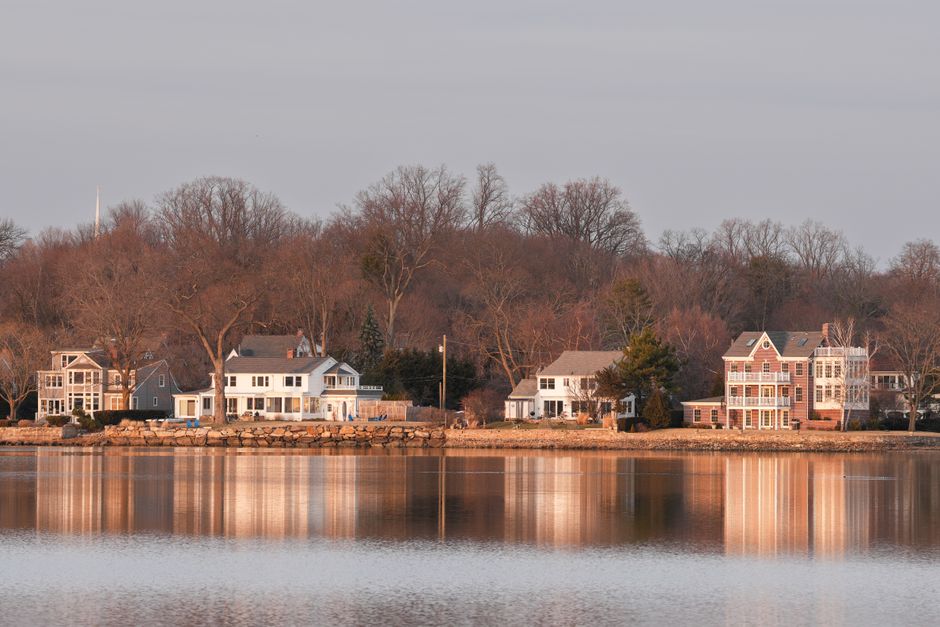

- What happened: Heavy rains caused flooding along Connecticut’s shoreline, according to WTNH.com on September 17, 2026.
- Who it affects: Connecticut homeowners, buyers, landlords, and real-estate investors may be affected when properties have flood damage or remain vulnerable to flooding.
- What to review: Property owners should review damage documentation, essential services, insurance, repairs, inspections, and financing requirements.
- Source: WTNH.com, published September 17, 2026.
What happened with Connecticut shoreline flooding?
According to WTNH.com on September 17, 2026, heavy rains caused flooding along the Connecticut shoreline. Residents are assessing damage to homes and other properties, and some affected properties remain without essential services while cleanup continues.
For a homeowner, the immediate priorities are safety and documenting the property’s condition. Floodwater may affect living areas, electrical systems, heating equipment, foundations, and personal belongings. The full condition may not be clear while moisture remains in walls, floors, or mechanical systems.
For landlords and investors, flooding may affect habitability, tenant arrangements, repair schedules, operating costs, and resale timing. Buyers considering a coastal property may need to determine whether damage has been repaired and whether inspections, permits, insurance, or financing reviews remain necessary.
Source: WTNH.com
Why does Connecticut shoreline flooding matter for property owners?
How can flooding affect repairs and temporary displacement?
Properties without essential services may not be suitable for occupancy until qualified professionals evaluate and repair them. Homeowners may need temporary living arrangements, while landlords may face delays before a unit can be occupied again. Keep records of damage, communications, invoices, and repair work. Insurance claims and assistance decisions depend on the documentation and policy terms that apply to the property.
Connecticut shoreline flooding can create both immediate repair needs and longer-term property questions.
What insurance questions should Connecticut buyers ask?
Flood damage and other water damage may be treated differently under an insurance policy. Coverage, exclusions, deductibles, and flood-zone requirements can vary, so property owners should review their policies and contact their insurer. A lender may also require evidence of appropriate insurance before closing or refinancing a property in a vulnerable area.
For buyers, a recent flood can prompt closer questions about prior claims, repairs, drainage, elevation, access, and ongoing insurability. Insurance costs and availability can affect the total cost of ownership even when the purchase price does not change. Investors should consider how flood exposure could affect vacancy, maintenance reserves, rental demand, and resale timing.
Insurance availability is an important part of evaluating Connecticut shoreline property.
Can flooding affect financing or a property appraisal?
Flood-related damage can complicate a purchase or refinance if an appraisal, inspection, insurance review, or lender condition identifies unresolved problems. An appraisal is an opinion of a property’s value used in a lending review. A property needing substantial repairs may require a different timeline or additional documentation before financing can proceed.
Borrowers should avoid assuming that a property is financeable until its condition and insurance requirements have been reviewed. Existing homeowners may need to separate urgent repair decisions from longer-term financing decisions. A lender will generally need reliable information about condition, value, occupancy, and insurance.
Investors purchasing after a storm should evaluate both the repair plan and the property’s ability to support the intended investment strategy. According to WTNH.com on September 17, 2026, some affected Connecticut shoreline properties remained without essential services while cleanup continued, making current condition information especially important.
What should Connecticut property owners watch next?
- Updates from WTNH.com or local officials about affected Connecticut shoreline areas and restoration of essential services.
- Insurance adjuster findings, repair estimates, and documentation showing whether damage is covered.
- Inspection, permit, and appraisal results for properties being sold, refinanced, or purchased.
- Changes in insurance availability, premiums, or lender requirements for vulnerable coastal properties.
Bottom line for Connecticut: Connecticut shoreline flooding may affect repairs, occupancy, insurance, and financing decisions. Property owners and buyers should confirm the property’s condition and documentation before relying on a transaction timeline.
More Connecticut coverage
- Connecticut Mortgage Rates: What the Fed Hike Means (September 16, 2026)
- Connecticut Flood Insurance Costs for Homebuyers and Investors (September 18, 2026)
- Connecticut Flash Flood Risk: Homeowner and Buyer Guide (September 19, 2026)
Go Deeper
Mbanc NMLS #38232 | Equal Housing Opportunity Lender
Frequently Asked Questions
Can Connecticut shoreline flooding affect my ability to refinance a property?
Yes. Connecticut shoreline flooding may affect a refinance when unresolved damage, property-condition concerns, appraisal findings, or insurance requirements require additional review. The effect depends on the property’s condition and the lender’s requirements. Borrowers should provide current repair, occupancy, insurance, and property documentation before relying on a refinance timeline.
What should I ask before buying a flood-affected Connecticut shoreline property?
Buyers should ask about the Connecticut shoreline property’s damage history, completed repairs, insurance claims, current coverage, flood-risk requirements, inspections, permits, and unresolved condition issues. Buyers should confirm the property’s insurability and financing requirements before relying on a purchase timeline or evaluating the property’s long-term investment potential.
Can Non-QM financing help after Connecticut shoreline flooding?
Mbanc’s Non-QM programs may help borrowers after Connecticut shoreline flooding when income, documentation, property condition, timing, or other circumstances do not fit traditional bank guidelines. Approval remains subject to credit, property, insurance, and other loan requirements. Borrowers should clarify the property’s condition and required documentation before applying.
Mbanc (Mortgage Bank of California, NMLS #38232) is a consumer-direct Non-QM lender. This content is for informational purposes only and does not constitute a commitment to lend. All loans subject to credit approval.