
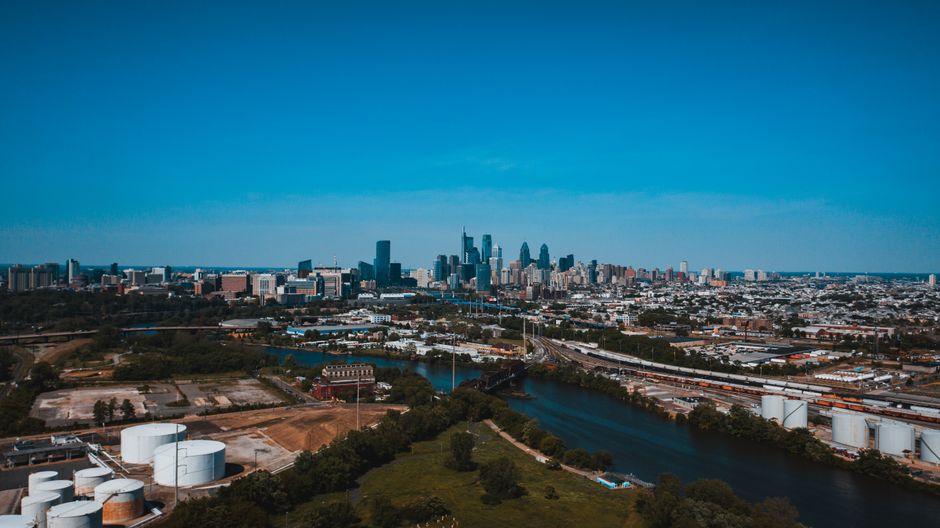

- What happened: According to CBS News on October 21, 2026, a storm is expected to bring the week’s highest flood risk to Delaware and New Jersey.
- Who it affects: Coastal and low-lying homeowners, buyers, landlords, and real-estate investors in Delaware and New Jersey may face flooding or access disruptions.
- Where: Delaware and New Jersey may experience coastal flooding and adverse conditions, especially in areas vulnerable to flooding.
- Source: CBS News, published October 21, 2026.
What is Delaware flood risk expected to bring Wednesday?
According to NEXT Weather and CBS News on October 21, 2026, a storm is expected to bring the highest flood risk of the week to New Jersey and Delaware on Wednesday. Coastal flooding and adverse conditions are possible as the storm passes by.
Flood risk means the possibility that rising water, drainage problems, or coastal conditions could affect land, structures, roads, or access. The report does not establish that every Delaware property will flood. Conditions can vary by location, elevation, drainage, tide conditions, and the property’s existing protection measures.
For Delaware residents and property owners, the practical concern extends beyond water entering a structure. According to the potential impacts described by CBS News on October 21, 2026, flooding may affect roads, bridges, utilities, parking areas, access to rental properties, and the ability of tenants or contractors to reach a property.
Delaware flood risk can affect property access even when a building avoids direct water damage.
For Delaware real-estate investors, a storm forecast is a prompt for property-level review rather than proof that a rental property is unsuitable. Investors can use the event to examine site conditions, operating plans, and insurance requirements before making an offer or planning renovations.
Source: CBS News
Why does Delaware flood risk matter for homeowners, buyers, and investors?
How can flooding affect property condition and access?
According to the impacts identified in the story brief on October 21, 2026, homeowners in low-lying or coastal areas may face water intrusion, blocked roads, damaged landscaping, and interruptions to normal access. Buyers should ask whether a property has experienced prior flooding and review available inspection and disclosure information.
After adverse conditions, property owners should document visible damage and follow guidance from local officials, insurers, and qualified professionals. For landlords, access problems can delay repairs, inspections, contractor visits, and tenant communication.
How can Delaware flood risk affect insurance and operating costs?
Flood damage is generally handled differently from many types of standard homeowners or property insurance coverage. Delaware investors should confirm what coverage a rental property requires, what exclusions apply, and whether a lender or insurer requires flood insurance because of the property’s location.
Premiums, deductibles, coverage limits, and eligibility can affect the cost of owning and operating a property. For landlords and short-term-rental operators, flooding may also create repair costs, temporary vacancies, cancelled bookings, tenant communication needs, and delays in completing work. A reserve plan can help investors manage expenses when a property is temporarily inaccessible or needs repairs.
Delaware coastal and low-lying properties warrant careful review of drainage, access, and insurance requirements.
What should investors review before buying?
When reviewing a Delaware investment property, examine flood-zone information, elevation, drainage patterns, nearby waterways, road access, basement or crawl-space conditions, and prior claims or repairs where records are available. An appraisal is an estimate of a property’s value, and an inspection is a review of observable property condition; neither replaces a property-specific review of flood exposure and insurance availability.
Investors should compare public flood maps with an on-site assessment and an insurance quote. A storm may reveal maintenance issues, but one event may not show the full range of risks from different rainfall, tide, or drainage conditions. This review can support a more realistic operating budget and contingency plan.
What should Delaware investors watch next?
- Updates from local officials about coastal flooding, road closures, and access conditions.
- Whether the storm produces reported property damage or prolonged disruption in affected Delaware areas.
- Insurance availability, required coverage, deductibles, and exclusions for any property under review.
- Inspection findings, drainage conditions, and flood-zone information before an investment purchase.
Financing for Delaware investors when the picture changes
Mortgage Bank of California dba MBANC (NMLS #38232) originates loans in Delaware only for business or investment purposes, such as financing non-owner-occupied residential rental property. MBANC lending may be relevant to landlords, portfolio investors, short-term-rental operators, and out-of-state investors buying in Delaware when a traditional bank does not fit their income or property profile. Delaware investors should review flood exposure, insurance, and operating costs with professional advisers before seeking financing. Explore Delaware investment-property lending.
Bottom line for Delaware: Delaware flood risk is a reason for investors to verify drainage, elevation, access, flood zones, and insurance before acquiring or operating rental property. A storm forecast is not a property-specific flood determination.
More Delaware coverage
- Delaware Flood Risk: What Investors Should Know (October 20, 2026)
- Delaware Nor’easter Flooding and Real Estate Risks (October 19, 2026)
- Delaware Nor’easter Property Damage: Key Risks to Know (October 18, 2026)
Go Deeper
Mbanc NMLS #38232 | Equal Housing Opportunity Lender
Frequently Asked Questions
What does Delaware flood risk mean for a rental-property purchase?
Delaware flood risk means investors should strengthen property due diligence before deciding whether to purchase a rental property. Delaware investors should review flood exposure, drainage, elevation, insurance availability, inspection findings, and road access. The forecast described by CBS News on October 21, 2026, does not prove that a particular Delaware property is unsuitable.
Can Delaware flood risk affect the cost of owning a rental property?
Yes, Delaware flood risk can affect rental-property costs through insurance premiums and deductibles, repairs, temporary vacancies, maintenance, and access disruptions. The actual effect on a Delaware rental property depends on the property’s location, condition, coverage, and the specific flooding event.
Can MBANC finance an owner-occupied home in Delaware?
No. Mortgage Bank of California dba MBANC (NMLS #38232) does not finance owner-occupied homes in Delaware. MBANC’s Delaware lending is limited to business or investment purposes, including non-owner-occupied residential rental properties for landlords and other real-estate investors.
Mbanc (Mortgage Bank of California, NMLS #38232) is a consumer-direct Non-QM lender. This content is for informational purposes only and does not constitute a commitment to lend. All loans subject to credit approval.