
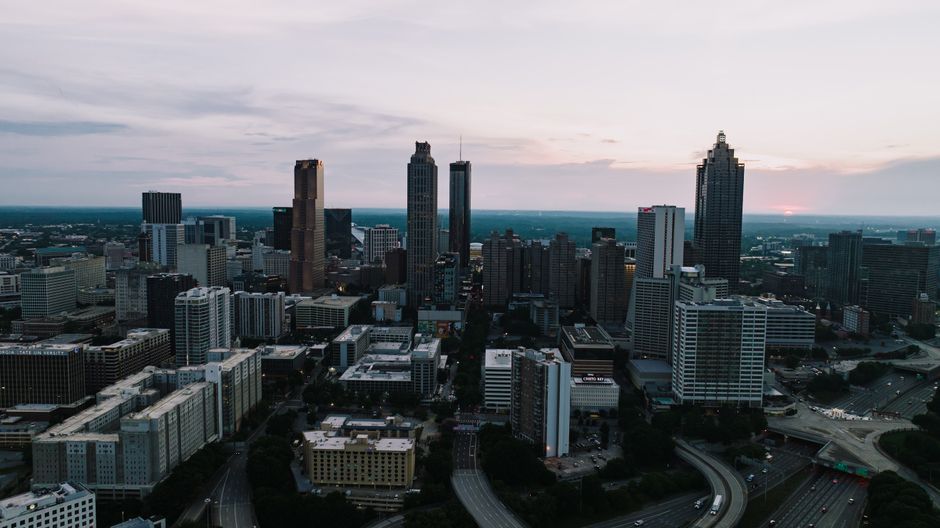

- What happened: WSB-TV reported on November 10, 2026, that a $6 billion development program covers about 6 million square feet in downtown Atlanta, Georgia.
- Who it affects: The downtown Atlanta development could matter to homeowners, homebuyers, landlords, tenants, and real-estate investors near downtown Atlanta, Georgia.
- Where: The program is advancing in downtown Atlanta, Georgia.
- Source: WSB-TV, published November 10, 2026.
What is the downtown Atlanta development program?
According to WSB-TV on November 10, 2026, a $6 billion development program is reshaping downtown Atlanta and encompasses about 6 million square feet of space. The available summary does not specify the full mix of residential, office, retail, entertainment, or public infrastructure uses, and it does not provide a completion schedule.
The scale of the downtown Atlanta development is the clearest point for people who own property or are considering a purchase nearby. A program of this size can change how residents, workers, visitors, and businesses use an area over time. The effects may develop gradually rather than appearing all at once.
According to WSB-TV on November 10, 2026, the program is advancing in downtown Atlanta. Its eventual effect on housing will depend on the number and type of new homes, changes in employment, transportation capacity, construction timing, and demand from residents and businesses.
Downtown Atlanta development can affect nearby housing demand without producing the same result for every property. Location, building condition, access, nearby supply, and the timing of completed phases can all shape the outcome.
Source: WSB-TV
Why could downtown Atlanta development matter to Georgia homeowners, buyers, and investors?
Could nearby property values respond unevenly?
Large-scale investment can increase interest in nearby neighborhoods if it brings more jobs, services, and activity. That may support demand for homes and apartments in convenient locations. However, value changes are not automatic. Construction disruption, traffic, noise, parking pressure, or delayed phases could affect individual properties differently.
Downtown Atlanta development may support housing demand, but property-value changes are not guaranteed.
How could apartment demand and rents change?
If the program adds jobs or attracts new residents, downtown and nearby apartment demand could increase. That may create opportunities for rental-property owners while also increasing competition for tenants and operating costs. Buyers should evaluate current rents, vacancy, property taxes, insurance, maintenance, and the possible timing of competing new housing rather than relying only on a broad development headline.
Why should buyers watch infrastructure and access?
More construction and commercial activity can increase demand for roads, transit, utilities, parking, and other services. Homeowners and investors should track how access to a property may change during construction and after individual phases open. For owner-occupants, commute time and neighborhood convenience can matter as much as a property’s potential resale value.
Atlanta, Georgia, housing impacts will depend partly on access, construction timing, and nearby new supply.
How should financing decisions account for change?
Buyers considering downtown Atlanta or nearby areas should compare a property’s current condition and cash flow with its possible future surroundings. Investors may want to stress-test vacancy, repairs, insurance, and financing costs. Homeowners thinking about refinancing or selling should remember that a planned project is not the same as a completed project, so timing and documented progress matter.
What should Georgia property owners watch next?
- More detail about the program’s residential, commercial, and public-space components.
- Construction schedules, completed phases, and any changes to access or parking.
- Evidence of changes in downtown employment, apartment demand, rents, and vacancy.
- Infrastructure plans and indicators of buyer or investor demand in nearby neighborhoods.
Bottom line for Georgia: The downtown Atlanta development program’s scale could influence housing demand, property values, rents, and access over time. Homeowners, buyers, and investors should monitor documented progress rather than assume a specific financial outcome.
More Georgia coverage
- Georgia Home Title Recovery: Guidance for Homeowners (November 10, 2026)
- McCaysville Water Service Restored in Georgia: Next Steps (November 9, 2026)
- North Georgia Flood Emergency Order: Housing Effects (November 6, 2026)
Go Deeper
Financing for Georgia homebuyers, homeowners, and investors
In Georgia, Mortgage Bank of California dba MBANC (NMLS #38232) offers owner-occupied mortgage lending and investment-property financing. Homebuyers, homeowners, and investors can review Georgia Non-QM lending options when changing neighborhood conditions make a purchase, refinance, or investment-property decision worth reviewing.
Mbanc NMLS #38232 | Equal Housing Opportunity Lender
Frequently Asked Questions
What is the downtown Atlanta development program?
According to WSB-TV on November 10, 2026, the downtown Atlanta development program is a $6 billion effort encompassing about 6 million square feet in downtown Atlanta, Georgia. The available summary does not identify every planned use or provide a completion schedule, so the program’s full housing and infrastructure effects remain uncertain.
Could downtown Atlanta development affect nearby home values?
Yes, downtown Atlanta development could affect nearby home values, but results will vary by location and execution. New jobs and services may support demand, while construction impacts, traffic, access changes, and added housing supply may affect individual properties differently. A planned development should not be treated as a guaranteed increase in value.
What should Atlanta investors review before buying?
Atlanta investors should review current income, vacancy, expenses, insurance, taxes, access, and financing terms before buying. Investors should also monitor the downtown Atlanta development program’s timing and nearby housing supply. A planned development is not a guaranteed return or value increase, so investment decisions should account for present conditions and possible changes.
Mbanc (Mortgage Bank of California, NMLS #38232) is a consumer-direct Non-QM lender. This content is for informational purposes only and does not constitute a commitment to lend. All loans subject to credit approval.