
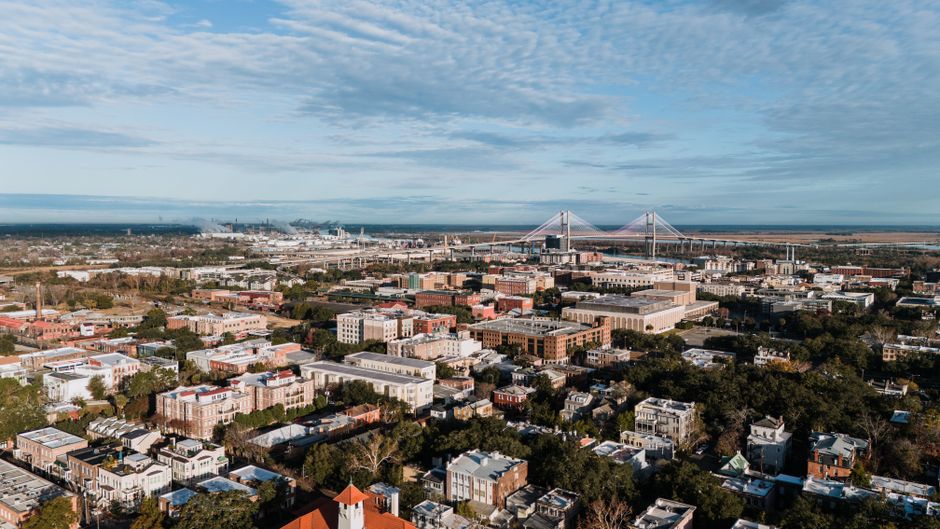

- What happened: According to WJCL on October 8, 2026, Hurricane Isaias could bring heavy rain, strong winds and thunderstorms to Coastal Georgia and the Lowcountry.
- Who it affects: Homeowners, homebuyers and real-estate investors in storm-affected areas could face property, access, insurance or transaction issues.
- Where: The potential impacts include Coastal Georgia, including the Savannah area, and the Lowcountry, according to WJCL on October 8, 2026.
- Source: WJCL, published October 8, 2026.
What does Hurricane Isaias mean for Savannah, Georgia?
According to WJCL on October 8, 2026, Hurricane Isaias is expected to bring heavy rain, strong winds and thunderstorms to Coastal Georgia and the Lowcountry. The storm could also create hazardous travel and localized flooding conditions.
Hurricane Isaias Savannah Georgia concerns center on preparation for possible wind and water damage. Conditions can vary by neighborhood and property, particularly where drainage is limited or flooding is more likely. WJCL reported on October 8, 2026, that hazardous travel could affect access to homes, job sites, inspections and closings.
Localized flooding means water affects specific areas rather than an entire region. Flood risk can remain after the heaviest rain has passed, so property owners should use caution when checking a home or investment property.
Storm conditions can interrupt normal real-estate activity. If roads are difficult to use, properties cannot be safely inspected, or damage needs to be assessed, buyers, sellers and lenders may need to adjust timing. Insurance questions can become more important for properties in flood-prone locations.
Coastal Georgia storm conditions can affect both property access and transaction timing.
Source: WJCL
Why does Hurricane Isaias matter for Georgia homeowners, buyers and investors?
How can homeowners prepare for possible damage?
Wind, heavy rain and thunderstorms can expose weaknesses in roofs, windows, siding, drainage systems and other parts of a property. Homeowners should follow official local guidance, protect property where practical, document existing conditions and avoid unnecessary travel during hazardous conditions.
Water may enter through low points, garages, crawl spaces or drainage paths. After the storm, photos and records may help when discussing potential damage with an insurance carrier or contractor. Homeowners should document visible damage only when it is safe to do so.
Savannah-area homeowners should treat localized flooding as a property-specific risk.
Could buyers face inspection or closing delays?
For buyers under contract in Savannah or elsewhere along the Georgia coast, severe weather may delay inspections, appraisals, final walk-throughs or other steps. An appraisal is an opinion of a property’s value used in a transaction. If a property has damage, the parties may need to document repairs and confirm insurance requirements before a transaction can proceed.
The exact effect depends on the property, contract terms, lender requirements and local conditions. Buyers should ask their real-estate and lending professionals how a storm-related delay could affect the timeline. A property that appears unchanged from the street may still require closer review after exposure to flooding or wind.
What should Georgia investors review?
Investors evaluating Coastal Georgia properties should account for possible access problems, repairs, tenant impacts and insurance delays. Flood-prone properties may require additional attention before acquisition or refinancing. Storm-related uncertainty can also affect renovation schedules and the timing of rental operations.
Investors should review the property’s condition, access and documentation with the appropriate real-estate, insurance and lending professionals. Financing decisions remain subject to credit, income or asset documentation, property condition and other underwriting requirements.
What should Savannah property owners watch next?
- Updates from local emergency management and weather officials about rainfall, wind, flooding and travel conditions, as reported by WJCL on October 8, 2026.
- Whether properties in affected areas sustain damage requiring inspection, repair or insurance review.
- Whether inspections, appraisals, closings or insurance approvals are rescheduled.
- Conditions at specific properties, especially those in low-lying or flood-prone locations.
Bottom line for Coastal Georgia: Hurricane Isaias could bring rain, wind, thunderstorms and localized flooding that affect property conditions and real-estate timing. Savannah homeowners, buyers and investors should monitor official updates and evaluate each property’s condition and access.
More Georgia coverage
- Tropical Depression 9 South Georgia Property Impacts (October 7, 2026)
- Georgia Foreclosure Rates: What Local Buyers Should Know (October 6, 2026)
- Georgia Port Jobs and Housing Demand Across Georgia (October 5, 2026)
Go Deeper
Mbanc NMLS #38232 | Equal Housing Opportunity Lender
Frequently Asked Questions
Could Hurricane Isaias delay a home closing in Coastal Georgia?
Yes. Hurricane Isaias could delay a Coastal Georgia home closing if hazardous travel, localized flooding or property damage makes inspections, appraisals, final walk-throughs or access more difficult. According to WJCL on October 8, 2026, the storm could affect travel and flooding conditions. The effect depends on the property, contract, lender and local conditions.
What should Savannah homeowners do if Hurricane Isaias damages property?
Savannah homeowners should follow official safety guidance, avoid unsafe areas, document visible damage when it is safe and contact an insurance carrier or qualified professional. Homeowners should keep records of communications and repairs. Wind, rain and localized flooding could affect different properties differently, according to WJCL on October 8, 2026.
Can Georgia investors pursue property financing after a storm?
Possibly. Georgia investors may need additional inspection, insurance review or repair documentation after a storm. Financing decisions depend on credit, income or asset documentation, property condition and other underwriting requirements. Investors should discuss the property’s condition, access and timing with real-estate, insurance and lending professionals before proceeding.
Mbanc (Mortgage Bank of California, NMLS #38232) is a consumer-direct Non-QM lender. This content is for informational purposes only and does not constitute a commitment to lend. All loans subject to credit approval.