
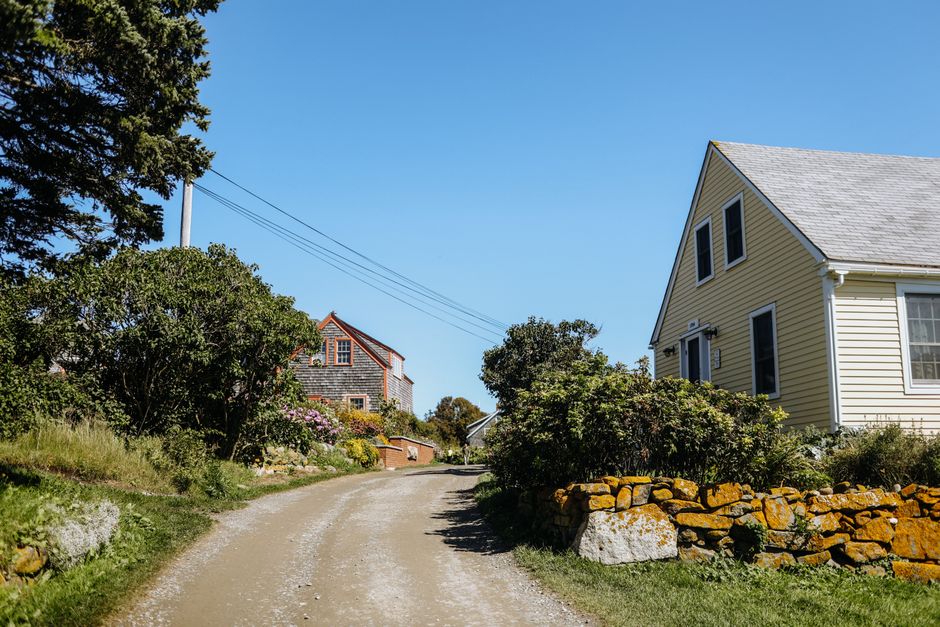

- What happened: According to The Portland Press Herald on September 26, 2026, a nor’easter brought strong winds, coastal flooding, and hazardous conditions across Maine.
- Who it affects: Maine coastal homeowners, landlords, real-estate investors, buyers, tenants, and communities may face outages, travel disruptions, or property-access problems.
- Where: The reported conditions affected Maine, with particular relevance for coastal property and access routes.
- Source: The Portland Press Herald, September 26, 2026
What happened in Maine?
According to The Portland Press Herald on September 26, 2026, a nor’easter brought strong winds, coastal flooding, and hazardous conditions across Maine. The Portland Press Herald also reported risks of power outages and travel disruptions.
Maine coastal property storm risk can extend beyond immediate safety and access. Strong winds may damage roofs, siding, trees, or other exterior features. Coastal flooding can affect lower levels, mechanical equipment, driveways, and access routes. Power interruptions can affect heating, water systems, security equipment, and tenant operations.
The exact damage and recovery needs can vary by location, construction, elevation, drainage, and insurance terms. Maine coastal property storm risk is therefore relevant when owning, buying, or managing property, even when a storm’s visible damage appears limited.
Source: The Portland Press Herald
Why does Maine coastal property storm risk matter?
Storm exposure can change ownership costs
Coastal homeowners and property investors may need to account for wind damage, flooding, debris removal, cleanup, and temporary loss of access after a major storm. Insurance coverage may treat wind and flood damage differently. Reviewing exclusions, deductibles, limits, and required mitigation measures can clarify financial exposure. A standard property policy may not cover every type of flooding, and local requirements can vary.
Coastal property risk can also affect repair timing. A property with difficult access, limited drainage, or exposed mechanical equipment may require more coordination after hazardous conditions. Investors should document the property’s condition and identify the funds available for urgent work before relying on a rental or renovation analysis.
How can storms interrupt Maine rental properties?
For landlords and short-term-rental operators, a power outage or blocked road can delay maintenance, prevent guest access, or make a property temporarily unusable. Investors should consider how quickly repairs can be arranged, whether contractors and utilities are available, and whether reserves are sufficient for an interruption in rental income. Property managers may also need procedures for communicating with tenants during hazardous conditions.
Maine coastal property storm risk can affect rental income even when structural damage is limited.
What should buyers review before purchasing coastal property?
Anyone evaluating coastal property in Maine should review flood exposure, drainage, elevation, access roads, emergency systems, and prior storm-related repairs where information is available. An appraisal district is a local government office that maintains property valuation records; buyers should also review available local property records and ask appropriate professionals about site conditions.
Insurance availability and cost can influence a purchase budget. Buyers should understand whether improvements such as flood barriers, drainage work, roof upgrades, or backup power require additional funds or local approvals. Investors should also consider how recurring weather disruptions could affect property values, renovation timelines, occupancy, and rental assumptions.
What should Maine property owners watch next?
- Insurance claims, repair needs, and documented damage affecting coastal properties.
- Whether power, transportation, and other services return to normal without extended interruptions.
- Flood-risk information, drainage conditions, and mitigation requirements for properties under consideration.
- How storm-related repairs or operating disruptions affect rental income and transaction timelines.
Bottom line for Maine: Maine coastal property storm risk belongs in every coastal investment review. Investors should connect storm exposure, insurance terms, operating reserves, access, and potential repairs before making a business-purpose property decision.
More Maine coverage
- Maine Property Investment Outlook: Workforce Risks (September 26, 2026)
- Maine Mortgage Rates Above 7%: What Buyers Should Know (September 25, 2026)
- Maine Nor’easter Property Risks for Coastal Areas (September 24, 2026)
Go Deeper
Mbanc NMLS #38232 | Equal Housing Opportunity Lender
Frequently Asked Questions
Can a nor’easter affect a Maine rental property investment?
Yes. A Maine rental property investment can be affected by strong winds, coastal flooding, power outages, and travel disruptions. Those conditions can cause physical damage, delayed repairs, reduced access, and temporary interruptions to rental operations. The effect depends on the property’s location, construction, insurance, and recovery needs.
What should a buyer review for Maine coastal property storm risk?
Buyers should review Maine coastal property storm risk by examining flood and wind exposure, elevation, drainage, access roads, insurance coverage, prior repairs where available, and possible mitigation costs. Buyers should also consider how an outage or storm-related repair could affect the property’s budget, use, and transaction timeline.
Does Mbanc finance owner-occupied homes in Maine?
No. Mortgage Bank of California dba MBANC (NMLS #38232) originates loans in Maine only for business or investment purposes. Maine financing from MBANC is intended for real-estate investors and business-purpose borrowers, including loans secured by non-owner-occupied residential rental property, not owner-occupied homes.
Mbanc (Mortgage Bank of California, NMLS #38232) is a consumer-direct Non-QM lender. This content is for informational purposes only and does not constitute a commitment to lend. All loans subject to credit approval.