
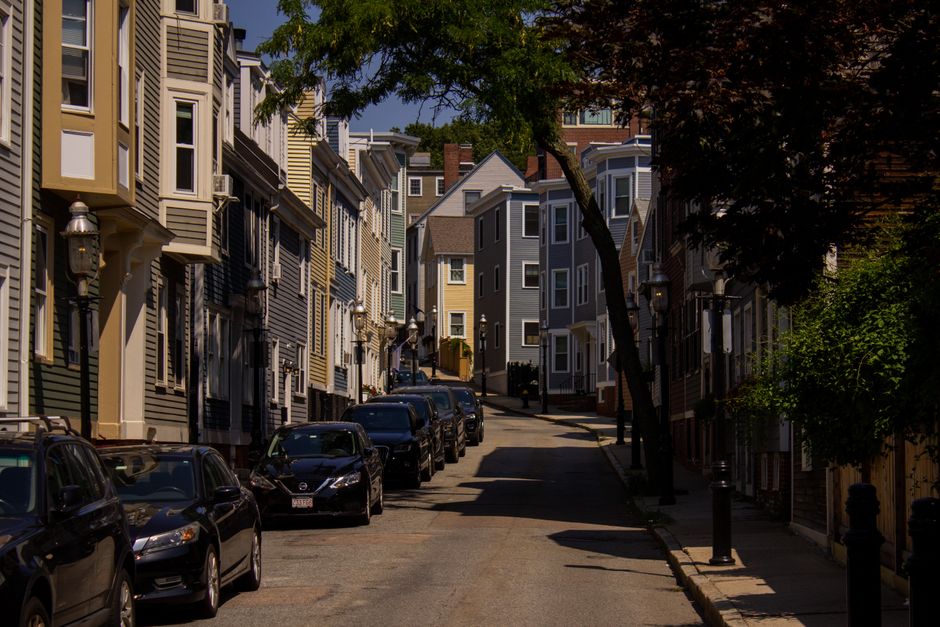

- What happened: A Massachusetts ballot question would limit local ability to block certain housing development proposals.
- Who it affects: Massachusetts municipalities, homeowners, buyers, builders, landlords, and real-estate investors.
- Where: Massachusetts.
- Source: WBUR, published October 14, 2026
What is the Massachusetts housing zoning ballot question?
According to WBUR on October 14, 2026, a Massachusetts ballot question would limit the ability of cities and towns to block certain housing development proposals. The measure is part of the state’s debate over how to increase housing production.
The story brief does not specify which proposals or local approval rules would be covered. If approved, the policy could narrow some local barriers while leaving other parts of the development process in place. The final language and implementation details would therefore matter to municipalities, property owners, builders, and investors.
Massachusetts housing supply decisions can affect both residential neighborhoods and investment property analysis. A development opportunity is not the same as an approved project, and a zoning change does not eliminate construction, insurance, tax, financing, utility, or market risks.
Source: WBUR
Why could the Massachusetts housing zoning ballot question matter?
Could the measure create more development opportunities?
If approved, the measure could expand development opportunities in municipalities with restrictive zoning, according to WBUR on October 14, 2026. That possibility may matter to landowners, builders, landlords, and investors evaluating whether a parcel can support additional homes or a different residential project.
Massachusetts municipalities with restrictive zoning could see more proposals move forward if the measure limits certain local objections, according to the story brief. That does not mean every proposal would proceed. Investors would still need to review the property’s permitted use, site restrictions, environmental requirements, utility access, and remaining hearings or approvals.
Massachusetts housing supply may influence development value, but supply alone does not determine property value.
Could land values and permitting risk change?
A parcel’s value can reflect what may legally be built on it. If the ballot measure expands the proposals that can proceed, land with development potential could attract more interest, according to the story brief. Actual values would also depend on demand, project costs, financing, taxes, insurance, and the likelihood of receiving required approvals.
Permitting risk means the uncertainty that a project may face before receiving the approvals needed to move forward. A policy change may reduce one obstacle without eliminating the full development process. Property owners and investors should avoid treating possible development capacity as guaranteed value.
Massachusetts permitting changes could alter investment analysis without guaranteeing project approval.
What could the measure mean for rental-property investors?
Builders and portfolio investors may revisit acquisition targets, construction schedules, and exit assumptions if the measure changes the development outlook. A rental-property investor should also consider whether additional housing could affect future rents, occupancy, and resale competition. The effect may differ among Massachusetts markets and property types, according to the story brief.
For homeowners and buyers generally, new construction could add housing choices in areas where supply is limited. Nearby development could also affect traffic, neighborhood character, competition for buyers or tenants, and the future use of surrounding parcels. The result would depend on the municipality and the projects ultimately proposed.
What should Massachusetts investors watch next?
- The ballot question’s final language and the housing proposals it would cover.
- Whether the measure is approved and when any changes would take effect.
- Municipal guidance on zoning, permitting, lot sizes, and project review.
- Changes in land listings, development applications, construction activity, and rental-market competition.
These factors can help investors distinguish a possible policy effect from a completed development opportunity. According to WBUR on October 14, 2026, the measure is part of the broader debate over increasing housing production.
Financing for Massachusetts investors when the picture changes
When a development or rental opportunity needs a different underwriting approach, Mortgage Bank of California dba MBANC (NMLS #38232) may help Massachusetts rental-property owners, landlords, portfolio investors, short-term-rental operators, and out-of-state investors buying in Massachusetts with business-purpose borrowing only. Mbanc does not offer owner-occupied, primary-residence, or consumer mortgages in Massachusetts. Learn about Massachusetts investment-property financing.
Bottom line for Massachusetts: The ballot question could change how some municipalities handle housing proposals, but Massachusetts investors should continue evaluating approvals, costs, demand, and property-specific risk before making decisions.
More Massachusetts coverage
- Massachusetts Housing Demand: What Hasbro’s Boston Move Means (October 14, 2026)
- Massachusetts housing vote: What investors should know (October 13, 2026)
- Massachusetts Minimum Lot Size: What Question 7 Could Change (October 12, 2026)
Go Deeper
Mbanc NMLS #38232 | Equal Housing Opportunity Lender
Frequently Asked Questions
What would the Massachusetts housing zoning ballot question do?
The Massachusetts housing zoning ballot question would limit the ability of some cities and towns to block certain housing development proposals, according to WBUR on October 14, 2026. The measure would not automatically approve every project. The final language, local requirements, remaining approvals, and implementation timing would determine the practical effect in each municipality.
Could the Massachusetts housing zoning ballot question change property values?
The Massachusetts housing zoning ballot question could change how buyers assess land and development potential, particularly in municipalities with restrictive zoning. According to the story brief, the measure could affect land values and investment decisions, but actual values would also depend on demand, construction costs, financing, taxes, insurance, and project feasibility.
Can Mbanc finance an owner-occupied home in Massachusetts?
No. Mortgage Bank of California dba MBANC (NMLS #38232) originates loans in Massachusetts only for business or investment purposes, including loans secured by non-owner-occupied residential rental property. Mbanc does not offer owner-occupied, primary-residence, or consumer mortgages in Massachusetts. Massachusetts investors may review business-purpose investment-property financing instead.
Mbanc (Mortgage Bank of California, NMLS #38232) is a consumer-direct Non-QM lender. This content is for informational purposes only and does not constitute a commitment to lend. All loans subject to credit approval.