

- What happened: Boston 25 News reported on October 12, 2026, that Massachusetts voters will decide whether Question 7 establishes a statewide minimum lot size for newly built single-family homes.
- Who it affects: Massachusetts homeowners, homebuyers, builders, landlords, and residential investors could be affected by changed development patterns.
- Where: Massachusetts
- Source: Boston 25 News, published October 12, 2026
What would the Massachusetts minimum lot size question change?
According to Boston 25 News on October 12, 2026, Massachusetts voters will decide whether Question 7 would establish a statewide minimum lot size for newly built single-family homes. A minimum lot size is the smallest amount of land allowed for a particular home or residential lot.
Boston 25 News did not specify the proposed minimum size, when the rule would take effect, or how the statewide standard would interact with local zoning requirements. Those details matter because a statewide rule could operate alongside municipal requirements, depending on the measure’s final language and implementation.
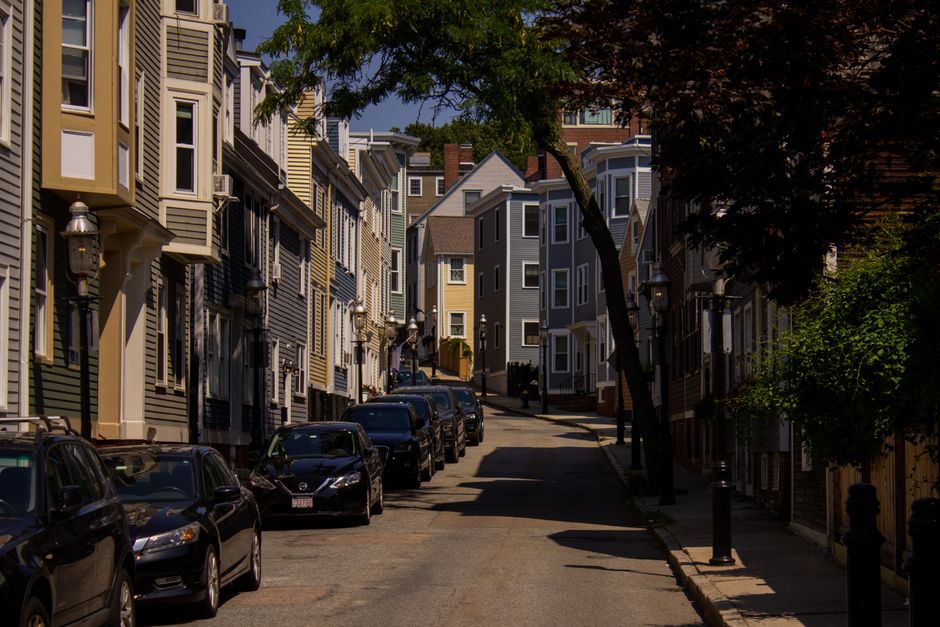
Massachusetts minimum lot size rules could determine how many homes fit on a tract of land.
In general, a minimum lot-size requirement can affect how many homes fit on a tract of land. It can also change the land cost assigned to each home, the feasibility of subdivisions, and the projects that builders and investors consider practical. These are potential mechanisms, not confirmed outcomes of Question 7.
Source: Boston 25 News
Why could Question 7 matter for Massachusetts homeowners, buyers, and investors?
How could land use and development costs change?
If Question 7 passes, a builder may need more land for each newly built single-family home, depending on the measure’s requirements and local rules. That could increase the land cost assigned to each lot or make some subdivision plans harder to complete. A project that works under current local zoning may require redesign, additional approvals, or a different site plan.
Massachusetts land-use rules could affect whether a proposed subdivision remains feasible.
Could housing supply and starter-home options change?
Fewer homes on a parcel could mean lower density in some new developments. Over time, that may affect the number and type of new homes reaching the Massachusetts market. Buyers looking for entry-level or starter homes should watch whether builders continue to pursue smaller-lot projects, shift toward other housing types, or delay decisions while the rule is clarified.
Existing homeowners may not face an immediate change to a current property merely because voters consider a ballot question. However, future development patterns could influence neighborhood growth, available housing, and buyer demand. The actual effect would depend on whether Question 7 passes and how it is implemented.
What should residential investors review?
Residential investors evaluating land, new construction, or rental properties should include lot-size requirements in their feasibility review. A change could affect acquisition costs, construction plans, projected rental income, resale assumptions, and the time needed to obtain approvals. Investors should verify municipal zoning, subdivision rules, permitting requirements, and the final statewide language before relying on a proposed development plan.
What should Massachusetts voters and investors watch next?
- The exact minimum lot size and the properties or projects covered by Question 7.
- Whether the measure passes and when any statewide standard would begin.
- How Massachusetts municipalities reconcile the measure with local zoning and subdivision rules.
- Changes in builder plans, land pricing, and the availability of smaller new homes.
Financing for Massachusetts investors when the picture changes
Mortgage Bank of California dba MBANC (NMLS #38232) originates loans in Massachusetts only for business or investment purposes, such as financing secured by non-owner-occupied residential rental property. MBANC may serve rental-property owners, landlords, portfolio investors, short-term-rental operators, and out-of-state investors buying in Massachusetts when traditional underwriting does not fit their financial profile. Learn more about investment-property lending in Massachusetts.
Bottom line for Massachusetts: Question 7 could change the land, design, and approval assumptions behind some new single-family housing projects. Massachusetts investors should wait for the measure’s final details and review local requirements before relying on a development plan.
More Massachusetts coverage
- Massachusetts Investors: Prepare for Isaias Storm Impacts (October 9, 2026)
- Massachusetts Question 7 Zoning: What Investors Should Watch (October 8, 2026)
- Massachusetts Starter-Home Zoning Measure and Housing Supply (October 7, 2026)
Go Deeper
- MBANC in Massachusetts: investment property lending across the state
- Massachusetts Investment Clear Approval: rental property financing, qualified on the property
- Financing for investors and self-employed borrowers
- More Massachusetts mortgage and housing news
- Mortgage and housing news for every state
Mbanc NMLS #38232 | Equal Housing Opportunity Lender
Frequently Asked Questions
What would Question 7 change?
Question 7 would establish a statewide minimum lot size for newly built single-family homes if Massachusetts voters approve it. According to Boston 25 News on October 12, 2026, the available summary does not state the proposed size, the effective date, or the implementation details. Those details would help determine the measure’s practical effect.
Could a Massachusetts minimum lot size affect home prices?
A Massachusetts minimum lot size could affect development costs and the number of homes that fit on a parcel, which may influence future housing supply and pricing. The actual effect would depend on Question 7’s language, local rules, project designs, and market conditions. The available reporting does not establish a specific price outcome.
Can MBANC finance a Massachusetts primary residence?
No. MBANC does not offer owner-occupied, primary-residence, or consumer mortgages in Massachusetts. Mortgage Bank of California dba MBANC (NMLS #38232) originates loans in Massachusetts only for business or investment purposes, including loans secured by non-owner-occupied residential rental property for investors and business-purpose borrowers.
Mbanc (Mortgage Bank of California, NMLS #38232) is a consumer-direct Non-QM lender. This content is for informational purposes only and does not constitute a commitment to lend. All loans subject to credit approval.