- What happened: The Tennessean reported on September 27, 2026, that Nashville was recognized as a leading 2026 boomtown and ranked first for desirability.
- Who it affects: The development may affect Tennessee homebuyers, homeowners, and investment-property owners.
- Where: The focus is Nashville and surrounding Tennessee communities.
- Source: The Tennessean, published September 27, 2026.
What does Nashville’s ranking mean for the housing market?
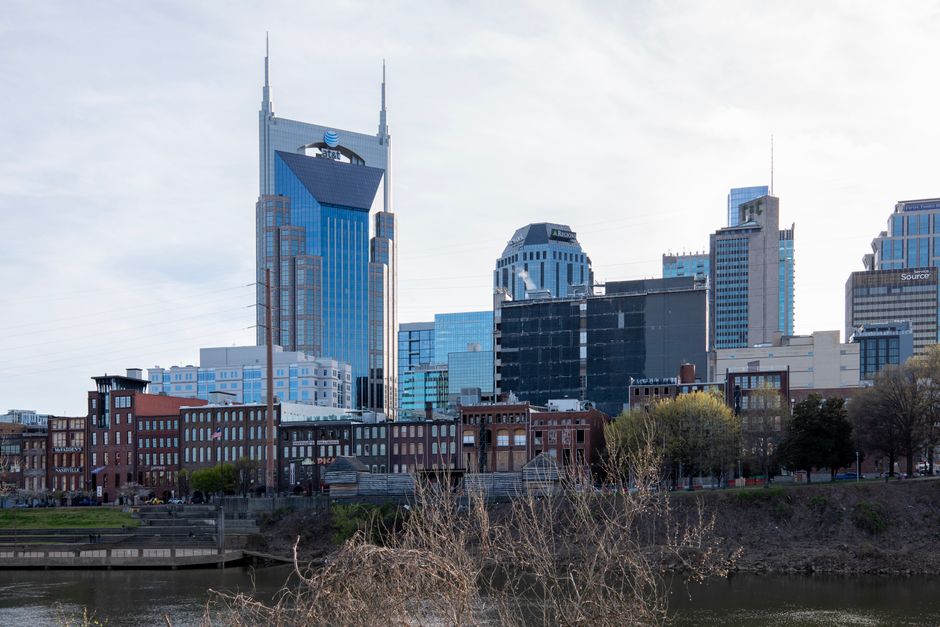
According to The Tennessean on September 27, 2026, Nashville has been recognized as a leading 2026 boomtown and ranked No. 1 for desirability. The report does not provide the ranking methodology or the factors used to compare cities, so the recognition should be treated as a broad signal rather than a guarantee about any individual property.
For the Nashville housing market, the key question is how desirability interacts with population and job growth. According to The Tennessean on September 27, 2026, continued growth can support home values and rental demand. Stronger demand can also increase competition among buyers and add affordability pressure.
Nashville’s desirability ranking may support housing demand, but the ranking does not guarantee higher values for every property.
Those effects can differ by position. A homeowner may have more potential demand when selling or renting. A buyer may need to compare neighborhoods and understand the full cost of ownership before making an offer. An investor may see rental demand as an opportunity while still evaluating purchase price, operating costs, vacancy risk, and financing.
Source: The Tennessean
Why could Nashville growth matter to Tennessee homeowners and buyers?
Homeowners may have more options
When a region attracts residents and employers, demand for homes can support property values. According to The Tennessean on September 27, 2026, continued population and job growth may support that demand in Nashville. The result is not uniform: neighborhood, property type, price range, inventory, and broader market conditions can all affect an individual property.
Owners considering a move, refinance, or rental strategy should review current property value, borrowing needs, insurance, taxes, maintenance, and expected rental income. A strong regional reputation does not replace a property-specific review.
Buyers may face more competition
Greater desirability can mean more people are considering the same homes. Buyers may encounter competing offers or fewer affordable choices, depending on the neighborhood and market conditions. Preparing financing before shopping can help a buyer understand a realistic budget and respond when a suitable property appears.
Affordability depends on more than the purchase price. Buyers should account for principal and interest, property taxes, homeowners insurance, association dues when applicable, maintenance, and changes in income or household expenses. Prequalification helps with planning, but it is not a guarantee of approval or a guarantee that a specific property will fit the budget.
Affordability pressure can rise in Nashville when housing demand grows faster than buyers’ budgets.
Investors should separate demand from returns
According to The Tennessean on September 27, 2026, continued growth can support rental demand. Investors should still test whether projected rent can support financing, taxes, insurance, repairs, management, utilities, and periods without a tenant. A desirable market can contain properties that do not meet an individual investor’s cash-flow or risk requirements.
Investors should compare neighborhoods rather than treating the entire Nashville area as one market. Access to jobs, services, transportation, and local rental competition can affect tenant demand and resale prospects. Rental demand describes potential interest from tenants; it does not by itself establish an investment return.
What should Tennessee residents watch next?
- Whether population and job growth continue in Nashville and nearby Tennessee communities.
- Whether buyer competition increases across specific neighborhoods and price ranges.
- Whether rental demand remains strong enough to support operating costs for investment properties.
- New local data on home values, inventory, rents, insurance, and property taxes.
Financing for Tennessee homebuyers and investors
Mortgage Bank of California dba MBANC (NMLS #38232) offers lending in Tennessee for qualified owner-occupants and investment-property borrowers. Mbanc’s Non-QM loan programs may help borrowers whose income or finances do not fit a traditional bank’s standard model, including self-employed entrepreneurs, business owners, contractors, investors, retirees, and international buyers. Options and approval depend on the complete financial profile, property, credit, and other underwriting requirements.
Bottom line for Nashville: Nashville’s 2026 boomtown recognition and No. 1 desirability ranking may support housing and rental demand. Buyers, homeowners, and investors should still evaluate neighborhood conditions, affordability, property costs, and individual financial goals.
More Tennessee coverage
- Chattanooga High-Risk Flood Zones: What Owners Should Know (September 26, 2026)
- East Tennessee Rebuilding: Property Guide for Buyers (September 25, 2026)
- East Tennessee Hurricane Helene Recovery: Housing Impact (September 24, 2026)
Go Deeper
Mbanc NMLS #38232 | Equal Housing Opportunity Lender
Frequently Asked Questions
What does Nashville’s 2026 boomtown ranking mean for the Nashville housing market?
According to The Tennessean on September 27, 2026, Nashville’s recognition as a leading 2026 boomtown and its No. 1 desirability ranking point to strong appeal. Continued population and job growth may support home values, but results can vary by neighborhood, property type, inventory, and broader market conditions.
Could Nashville’s desirability ranking make buying a home harder?
Nashville’s desirability ranking could increase competition and affordability pressure if more people seek homes in the area. Nashville buyers can reduce uncertainty by reviewing their budgets, understanding total housing costs, comparing neighborhoods, and arranging financing before making an offer. The ranking does not guarantee a specific price or outcome.
Does Nashville rental demand make every property a good investment?
Nashville rental demand does not automatically make every property a good investment. According to The Tennessean on September 27, 2026, continued growth can support rental demand, but investors still need to evaluate purchase price, rent, financing, taxes, insurance, maintenance, vacancy, and management costs for each property.
Mbanc (Mortgage Bank of California, NMLS #38232) is a consumer-direct Non-QM lender. This content is for informational purposes only and does not constitute a commitment to lend. All loans subject to credit approval.