
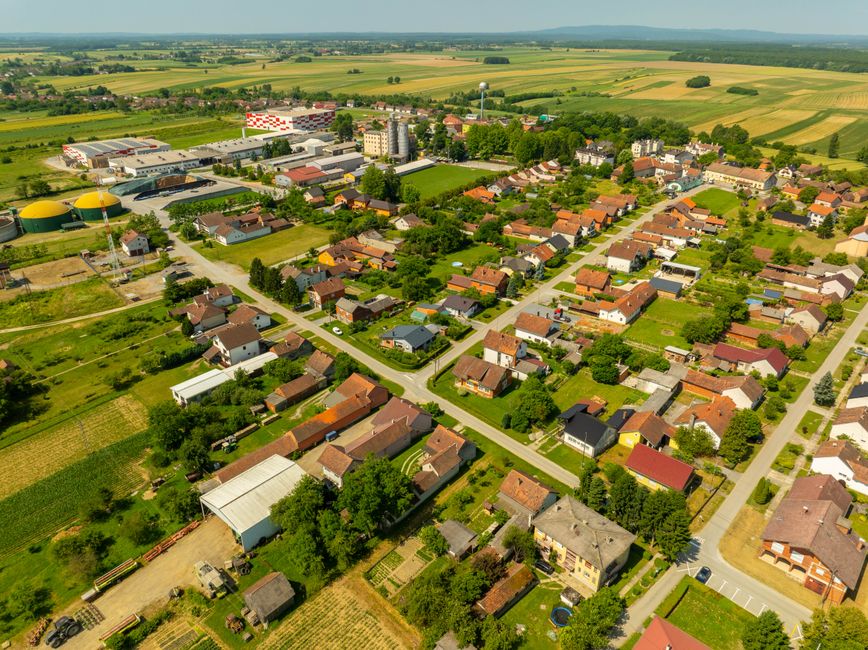

- What happened: Nebraska farmers are facing financial pressure while awaiting a renewed or replacement Farm Bill.
- Who it affects: Nebraska farmers, rural property owners, agricultural borrowers, communities, lenders, and real-estate investors may be affected.
- Where: Nebraska communities and properties tied closely to agriculture may feel the effects.
- Source: KETV, published October 12, 2026
What happened with Nebraska farm financial stress?
According to KETV on October 12, 2026, many Nebraska farmers are facing financial pressure while they wait for Congress to renew or replace the Farm Bill. The delay is leaving farmers without clarity about farm support programs that can affect planning and cash flow.
The Farm Bill is a major framework for federal agricultural programs. When the framework’s future is uncertain, farm operators may have more difficulty making decisions about purchases, leases, planting plans, debt repayment, and capital improvements. According to KETV on October 12, 2026, the report does not identify a specific timeline for congressional action or describe the position of any individual farmer.
Nebraska farm financial stress can extend beyond individual farms. Agricultural businesses support equipment dealers, contractors, transportation providers, processors, local retailers, and other employers. According to KETV on October 12, 2026, prolonged farm-sector pressure could affect rural land values, farm borrowers’ finances, and communities that depend on agriculture. Those effects may also increase risk for lenders and investors in heavily agricultural areas.
Source: KETV
Why could Nebraska farm financial stress matter for rural property?
Rural property values may become more uneven
Nebraska farm financial stress does not automatically mean that all Nebraska property values will fall. However, agricultural land and rural properties can be influenced by farm income, local employment, commodity conditions, and financing availability. If buyers become more cautious, properties in heavily agricultural areas may take longer to sell or attract fewer offers.
Nebraska agricultural property conditions may vary by location, property type, and connection to local farm income. A rural property near a diversified employment base may face different conditions from a property that depends heavily on agricultural activity. Investors should treat broad regional concerns as context rather than a substitute for property-level analysis.
Why may borrowers face more pressure?
Farmers and other borrowers whose income depends on agriculture may need to manage expenses carefully while program details remain unsettled. A lender reviewing a farm-related borrower will typically consider income stability, existing debt, collateral, liquidity, and the property’s ability to support repayment. Uncertainty can make documentation and timing more important when a borrower seeks financing, refinancing, or additional capital.
Agricultural borrowers in Nebraska may also face pressure through connected businesses. If farm operators reduce purchases, equipment dealers, contractors, transportation providers, and local retailers may experience weaker demand or tighter cash flow. According to KETV on October 12, 2026, prolonged farm-sector stress could affect the economies of communities that depend on agriculture.
How can local economies affect real-estate performance?
For landlords and portfolio investors, local economic conditions matter alongside the property itself. A rural rental may depend on nearby agricultural employers, service businesses, or seasonal demand. If those employers reduce spending or staffing, vacancy risk, rent growth, and operating income could be affected. Investors may respond with more conservative assumptions for repairs, reserves, occupancy, and resale timing.
Potential investors should separate short-term uncertainty from property-specific facts. A property’s location, tenant demand, condition, insurance costs, taxes, and financing structure may matter more than a broad headline. Investors considering Nebraska should review current operating results and stress-test the numbers for slower leasing or higher expenses.
What should investors watch next in Nebraska?
- Whether Congress renews or replaces the Farm Bill and provides details on farm support programs.
- Updates from Nebraska farmers, agricultural businesses, and rural lenders about cash flow and borrowing conditions.
- Changes in transaction activity, listing times, and pricing for agricultural and rural properties.
- Whether local employers and service businesses report weaker demand in agriculture-dependent communities.
Nebraska rural property values may respond unevenly to farm-sector pressure because local economies and property fundamentals differ.
Nebraska agricultural borrowers may need stronger documentation and more conservative planning while Farm Bill details remain unsettled.
Financing for Nebraska investors when the picture changes
Mortgage Bank of California dba MBANC (NMLS #38232) helps Nebraska real-estate investors and business-purpose borrowers, including landlords, portfolio investors, short-term-rental operators, and out-of-state investors buying rental property in Nebraska, when a traditional bank may not fit their situation. Learn more about investment-property lending in Nebraska; Mortgage Bank of California dba MBANC does not offer owner-occupied, primary-residence, or consumer mortgages in Nebraska.
Bottom line for Nebraska: Farm Bill uncertainty may increase financial pressure in agriculture-dependent communities and create more varied conditions for rural property. Nebraska investors should evaluate local demand, operating results, and financing risk property by property.
More Nebraska coverage
- Omaha Flood Damage: What Nebraska Investors Should Know (October 9, 2026)
- Southeast Nebraska Flood Reduction Project: What It Means (October 8, 2026)
- Southeast Nebraska Flooding: Impacts for Property Owners (October 4, 2026)
Go Deeper
Mbanc NMLS #38232 | Equal Housing Opportunity Lender
Frequently Asked Questions
Could Nebraska farm financial stress affect rural property values?
Yes, Nebraska farm financial stress could contribute to uneven rural property conditions if farm income, buyer demand, or local employment weakens. The effect will vary by property type, location, and local economic conditions. According to KETV on October 12, 2026, prolonged farm-sector pressure could affect rural land values and agriculture-dependent communities.
What should a Nebraska investor review before buying a rural rental?
A Nebraska investor should review current rent, occupancy, operating expenses, insurance, taxes, property condition, nearby employment, and the possibility of slower leasing or resale. Conservative assumptions can help evaluate risk. Nebraska investors should also compare the property’s operating results with local agricultural exposure and expected financing terms.
Can Mbanc finance an owner-occupied home in Nebraska?
No. Mortgage Bank of California dba MBANC (NMLS #38232) originates loans in Nebraska only for business or investment purposes, such as loans secured by non-owner-occupied residential rental property. Mortgage Bank of California dba MBANC does not offer owner-occupied, primary-residence, or consumer mortgages in Nebraska.
Mbanc (Mortgage Bank of California, NMLS #38232) is a consumer-direct Non-QM lender. This content is for informational purposes only and does not constitute a commitment to lend. All loans subject to credit approval.