
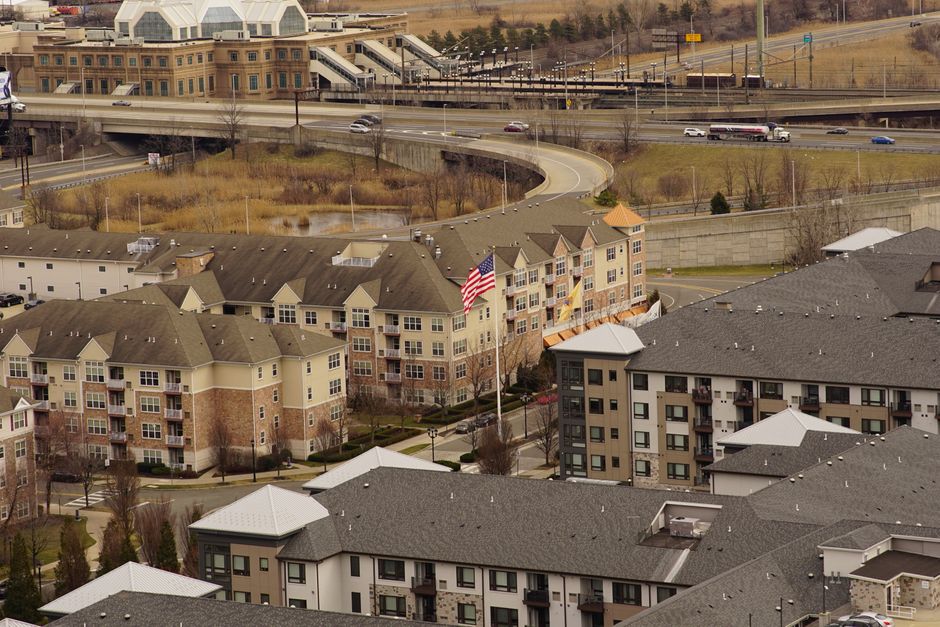

- What happened: NJ Spotlight News reported on October 12, 2026, that rents are increasing across New Jersey while state-funded rental rebates remain frozen at outdated levels.
- Who it affects: New Jersey renters, prospective homebuyers, current homeowners, and real-estate investors may all need to reassess housing-cost decisions.
- Where: The reported rent pressure affects New Jersey.
- Source: NJ Spotlight News, published October 12, 2026.
Why are rents rising in New Jersey important for buyers?
NJ Spotlight News reported on October 12, 2026, that rents are rising across New Jersey while state-funded rental rebates have not kept pace and remain frozen at outdated levels. A rental rebate is financial assistance that reduces part of a tenant’s housing cost.
When rent increases but assistance does not, the rebate may cover a smaller share of monthly housing costs. For households that do not receive assistance, higher rent can reduce money available for savings, debt payments, moving costs, or a future down payment.
New Jersey renters may have less room to save when rent rises faster than assistance.
The effect can extend beyond the rental market. A prospective buyer may have less capacity to save for a down payment or maintain cash reserves. A buyer may also need to review the purchase price, projected monthly housing expense, property taxes, insurance, and other ownership costs more carefully.
Rising rents in New Jersey can change the affordability calculation before a buyer applies.
Source: NJ Spotlight News
How could New Jersey rent pressure affect households?
Renters and future buyers
Higher rent can make it harder to build a down payment or maintain reserves. It can also affect how a household compares renting with buying. A buyer should consider principal and interest, property taxes, homeowners insurance, association charges where applicable, maintenance, and closing costs.
A lender’s qualification review may also consider income, recurring debts, credit history, and available assets. Buyers should confirm their current budget before making an offer and leave room for changes in taxes, insurance, utilities, and other ownership costs. Assistance eligibility and program rules can change, so borrowers should verify details with the relevant agency or program administrator.
Current New Jersey homeowners
Homeowners may not receive rental rebates, but rising rents can influence local housing demand and household decisions. Some renters may delay buying when upfront ownership costs remain out of reach. Others may accelerate a purchase if they believe ownership offers greater payment stability, subject to their own qualification and financial circumstances.
New Jersey real-estate investors
Investors may see continued rental demand when households postpone buying. However, higher asking rents do not automatically mean stronger investment performance. Affordability limits can affect tenant demand, vacancy periods, rent collection, and the rent a property can support.
New Jersey investors should test rental assumptions against affordability limits, operating costs, and vacancy risk.
Investors should evaluate income, operating expenses, property taxes, insurance, repairs, reserves, and financing costs rather than relying only on projected rent growth. Continued demand can support an investment thesis, but it does not remove the risk that tenants face housing-cost limits.
What should New Jersey residents watch next?
- Whether New Jersey rental rebates are updated or remain at current levels.
- Whether rent increases continue across New Jersey or vary by local market.
- How household affordability affects demand from renters and prospective buyers.
- Whether local vacancy, operating costs, and insurance expenses change investor calculations.
How can New Jersey investors approach financing when conditions change?
Mortgage Bank of California dba MBANC (NMLS #38232) is licensed in New Jersey for owner-occupied mortgages and investment-property lending. Its lending programs may help self-employed entrepreneurs, business owners, contractors, investors, retirees, and international buyers whose income or documentation does not fit a traditional bank’s guidelines. Explore New Jersey financing options and discuss your situation with a lending professional.
Bottom line for New Jersey: Rising rents and frozen rental rebates may put additional pressure on household budgets and buyer savings. New Jersey investors may see rental demand, but affordability and operating costs still require careful review.
More New Jersey coverage
- New Jersey ANCHOR Tax Relief Payments and Housing (October 11, 2026)
- New Jersey Storm Risks: Sunday Rain and Flooding Guide (October 10, 2026)
- New Jersey Heavy Rain Housing Impact: What to Know (October 9, 2026)
Go Deeper
Mbanc NMLS #38232 | Equal Housing Opportunity Lender
Frequently Asked Questions
What do rising rents in New Jersey mean for renters?
Rising rents in New Jersey may increase household housing costs, while state-funded rental rebates remain frozen at outdated levels, according to NJ Spotlight News on October 12, 2026. A fixed rebate may cover a smaller share of rent over time, leaving some renters with less money for savings, debt payments, moving costs, or other expenses.
Can rising rents in New Jersey affect the ability to buy a home?
Rising rents in New Jersey can make saving for a down payment and maintaining reserves more difficult. Prospective buyers should review income, recurring debts, available assets, property taxes, insurance, maintenance, closing costs, and the full projected cost of ownership before deciding what price range fits the household budget.
What should New Jersey investors consider as rents rise?
New Jersey investors should assess rental demand alongside affordability, vacancy risk, rent collection, operating expenses, property taxes, insurance, repairs, reserves, and financing costs. Rising asking rents do not guarantee stronger investment performance because tenant affordability limits can affect demand and the rent a property can support.
Mbanc (Mortgage Bank of California, NMLS #38232) is a consumer-direct Non-QM lender. This content is for informational purposes only and does not constitute a commitment to lend. All loans subject to credit approval.