
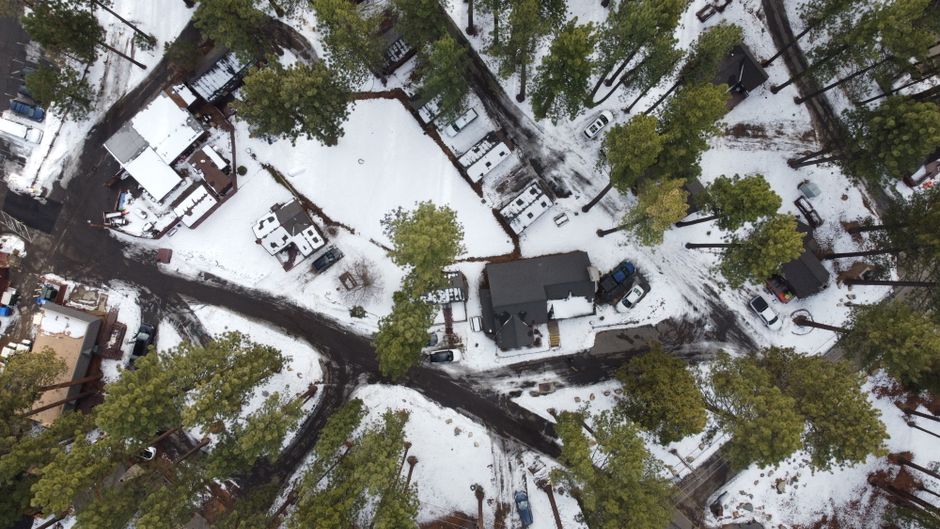

- What happened: Nearly 500,000 acres have burned in Nevada this year, according to DailyDispatch.com on October 14, 2026.
- Who it affects: Nevada homeowners, homebuyers, landlords, and real-estate investors may need property-specific insurance and hazard reviews.
- Where: Nevada properties can face different effects depending on location, exposure, access, and available coverage.
- Source: DailyDispatch.com published its report about Nevada wildfire activity on October 14, 2026.
What happened with Nevada wildfire risk?
According to DailyDispatch.com on October 14, 2026, wildfires have burned nearly 500,000 acres in Nevada this year, and elevated wildfire risks are continuing into fall. The acreage describes the scale of reported fire activity across Nevada, but it does not determine whether a particular property is damaged, exposed, insurable, or difficult to finance.
Nevada wildfire risk can affect properties differently. Location, proximity to current or prior fire activity, access, property condition, insurance availability, and lender requirements may shape the questions raised during a purchase or refinance. These property-level considerations are separate from the statewide acreage reported by DailyDispatch.com on October 14, 2026.
Nevada wildfire risk can make property-level due diligence more important. Homeowners and buyers may want to review insurance availability, policy terms, evacuation routes, and property maintenance before a transaction is finalized. Investors may also need to consider tenant communication, operating costs, repair needs, and resale demand.
Source: DailyDispatch.com
Why does Nevada wildfire risk matter for homeowners, buyers, and investors?
How can wildfire risk affect insurance?
Persistent wildfire risk may affect whether coverage is available for a Nevada property and how much that coverage costs. If a property is financed, the lender will typically require acceptable homeowners insurance. Escrow is an account used to collect and pay certain property costs, such as insurance, on a borrower’s behalf. When insurance is collected through escrow, a premium change may affect the total monthly housing expense. Owners who pay directly still need to confirm that coverage remains active and adequate.
Nevada wildfire risk can influence insurance decisions before closing. Buyers should request quotes early and review exclusions, deductibles, renewal terms, and coverage limits with an insurer. The actual terms depend on the property and insurer, not on the statewide acreage figure reported by DailyDispatch.com on October 14, 2026.
Why might lending require additional review?
Wildfire exposure may lead a lender or insurance provider to ask about a property’s location, condition, access, current coverage, or an active hazard affecting the area. If coverage cannot be verified, closing may take longer or the financing plan may need to change. Buyers should share insurance information early and ask the lender which documents are required.
Mortgage Bank of California dba MBANC (NMLS #38232) can discuss a property’s insurance, occupancy, and financing details with qualified borrowers. Approval, documentation, and loan terms depend on the borrower’s circumstances and the property.
Can wildfire risk affect property values and timing?
Statewide fire activity does not affect every Nevada property in the same way. A property with limited exposure may face different market conditions from a property near a burn area or evacuation zone. For investors, insurance costs, vacancy risk, repair needs, operating costs, and resale demand can influence cash flow and overall return. Those factors should be evaluated alongside the purchase price.
What preparation should property owners and investors consider?
Homeowners and buyers can keep important records accessible, review evacuation routes, confirm insurer contact information, and understand policy coverage. Investors can verify that property managers, tenants, and contractors know relevant emergency procedures. These steps do not eliminate wildfire risk, but they can reduce confusion if conditions change.
What should Nevada homeowners and investors watch next?
- Whether DailyDispatch.com or local authorities report continued elevated wildfire conditions in specific Nevada communities, with reports dated clearly.
- Insurance quotes, renewal notices, exclusions, deductibles, and changes in coverage availability for the property.
- Requests from a lender for updated insurance documentation, property information, or hazard review before closing.
- Local evacuation guidance, road access, and conditions that could affect residents, tenants, or property operations.
Bottom line for Nevada: Nevada wildfire risk does not determine every property’s insurability or financing outcome, but it makes early insurance review, property due diligence, and emergency preparation important for homeowners, buyers, and investors.
More Nevada coverage
- Nevada Housing Funding: What 891 Homes Mean Statewide (October 13, 2026)
- Las Vegas Flash Flooding: Nevada Property Impacts (October 12, 2026)
- Las Vegas Flood Warnings and Nevada Property Risks (October 11, 2026)
Go Deeper
How can Nevada investors approach financing when conditions change?
When a traditional bank cannot fit a borrower’s situation, Mbanc’s Non-QM loan programs may help qualified Nevada homebuyers, homeowners, and investment-property borrowers, including self-employed entrepreneurs, business owners, contractors, investors, retirees, and international buyers. Learn more about Non-QM lending in Nevada and discuss the property’s insurance, occupancy, and financing details with a licensed mortgage professional.
Mbanc NMLS #38232 | Equal Housing Opportunity Lender
Frequently Asked Questions
Does Nevada wildfire risk automatically prevent a home purchase?
No. Nevada wildfire risk does not automatically prevent a home purchase. The effect depends on the property’s location, insurance availability, property condition, and lender requirements. Buyers should review insurance quotes and financing conditions early, because unavailable or unacceptable coverage may affect the timing or structure of a transaction.
Can Nevada wildfire risk change a housing payment?
It can. Nevada wildfire risk may affect homeowners insurance premiums, and a higher premium can increase the escrow portion of a monthly housing payment when insurance is paid through escrow. The actual premium depends on the property and insurer, so borrowers should confirm the cost, coverage, exclusions, and renewal terms directly with an insurer.
What should Nevada investors check before buying?
Nevada investors should review insurance availability and terms, property access, evacuation considerations, potential repair needs, operating costs, tenant communication, and local conditions that could affect resale demand. Investors should also evaluate how insurance and wildfire-related expenses may affect cash flow before deciding whether a property fits the investment plan.
Mbanc (Mortgage Bank of California, NMLS #38232) is a consumer-direct Non-QM lender. This content is for informational purposes only and does not constitute a commitment to lend. All loans subject to credit approval.