
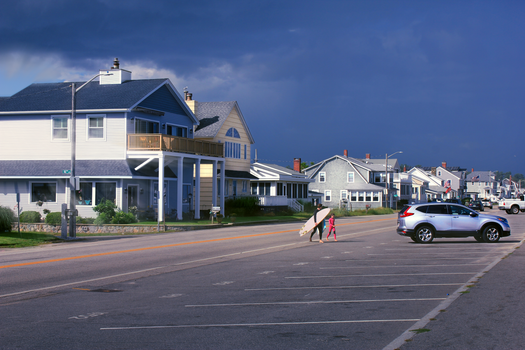
- What happened: According to AccuWeather on September 23, 2026, a nor’easter is expected to bring major coastal flooding and hurricane-force wind gusts across New England.
- Who it affects: New Hampshire Seacoast homeowners, buyers, landlords, rental-property investors, and businesses could face flooding, wind damage, outages, or access problems.
- Where: The forecast covers New England, including the Seacoast of New Hampshire.
- Source: AccuWeather published the report on September 23, 2026.
What are the New Hampshire nor’easter property risks?
According to AccuWeather on September 23, 2026, a nor’easter is expected to affect New England with major coastal flooding and hurricane-force wind gusts, including along the New Hampshire Seacoast. New Hampshire nor’easter property risks may vary by location, elevation, drainage, wind exposure, and the condition of local roads and utilities.
Coastal flooding can affect roads, driveways, lower levels, utilities, and access to homes or businesses. Strong wind can damage roofs, siding, trees, signs, and outdoor equipment. According to AccuWeather on September 23, 2026, power outages are also a concern as the storm affects the region.
New Hampshire Seacoast flooding can disrupt a property even when the main structure remains standing. Owners and prospective buyers should rely on local emergency alerts and official warnings for property-level decisions.
Source: AccuWeather
Why do New Hampshire Seacoast property risks matter?
How can flooding and wind affect property access?
Flooding, wind damage, road closures, and power outages may limit normal use of a property. Contractors, inspectors, tenants, and guests may have difficulty reaching the site. For landlords and short-term-rental operators, those disruptions may affect maintenance, guest access, and repair timing.
New Hampshire property risks can also affect nearby businesses and local services. Investors evaluating a rental property should consider whether limited access, utility interruptions, or damage could affect operations after conditions improve.
What should owners document for insurance?
Property owners with storm damage should document conditions when it is safe, keep records of communications, and contact their insurer promptly. Coverage depends on the policy and the type of damage. Flood-related losses and wind-related losses may be treated differently, so owners should review their policies and ask insurance professionals what applies.
An appraisal district is a local government office that determines property values for tax purposes; it is not the same as an insurer or emergency agency. For this storm, owners should focus on official warnings, safe documentation, and policy-specific guidance rather than assuming that visible conditions tell the entire story.
Could a storm affect a purchase or refinance?
A storm can make inspection timing, property access, insurance review, and closing logistics more important for a Seacoast transaction. Visible damage, unresolved claims, unavailable utilities, or changes in insurability may require additional documentation before a transaction proceeds. Buyers should not assume that a property is unaffected because exterior damage is not immediately visible.
For real-estate investors, the event is a reminder to evaluate flood exposure, wind risk, drainage, backup plans, and operating reserves before purchasing or refinancing a rental property. A property-level review can identify whether repairs, insurance questions, or access limitations could affect an investment plan.
New Hampshire Seacoast flooding can affect roads, utilities, inspections, and property transactions.
What should New Hampshire property owners and investors watch next?
- Updated forecasts, coastal flood statements, and wind warnings for the New Hampshire Seacoast.
- Local road closures, evacuation guidance, utility outages, and access restrictions.
- Reports of structural, roof, tree, water, and utility damage after conditions improve.
- Insurance inspections, repair estimates, and any effect on purchase or closing timelines.
New Hampshire nor’easter property risks depend on each property’s location, condition, insurance coverage, and access to utilities and roads.
Financing for New Hampshire investors when the picture changes
When storm conditions or property complexity make traditional financing difficult, Mortgage Bank of California dba MBANC (NMLS #38232) may help rental-property owners, landlords, portfolio investors, short-term-rental operators, and out-of-state investors pursuing business-purpose property in New Hampshire. Learn more about investment-property lending across New Hampshire. MBANC does not offer owner-occupied, primary-residence, or consumer mortgages in New Hampshire.
Bottom line for New Hampshire: New Hampshire nor’easter property risks may affect coastal property condition, access, insurance review, and investment timelines. Investors should monitor official warnings and assess each rental property’s situation before proceeding.
More New Hampshire coverage
- New Hampshire Property Tax Cap: What Investors Should Know (September 23, 2026)
- New Hampshire Property Tax Cap: What the Vote Means (September 19, 2026)
- New Hampshire Affordable Housing Property Values Explained (September 18, 2026)
Go Deeper
Mbanc NMLS #38232 | Equal Housing Opportunity Lender
Frequently Asked Questions
Could a New Hampshire nor’easter affect a property closing?
Yes. A New Hampshire nor’easter could affect a property closing if flooding, damage, utility outages, access restrictions, inspections, or insurance questions delay the transaction. Buyers, sellers, lenders, insurers, and other parties involved in a New Hampshire transaction can confirm required documentation and next steps.
What should a New Hampshire Seacoast property owner do before the storm?
A New Hampshire Seacoast property owner should monitor official local warnings, protect property when it is safe, review insurance information, and plan for possible outages or limited access. A New Hampshire Seacoast property owner should not enter unsafe areas or document damage until conditions allow safe access.
Does MBANC finance owner-occupied homes in New Hampshire?
No. Mortgage Bank of California dba MBANC (NMLS #38232) originates loans in New Hampshire only for business or investment purposes, such as loans secured by non-owner-occupied residential rental property. MBANC does not offer owner-occupied, primary-residence, or consumer mortgages in New Hampshire.
Mbanc (Mortgage Bank of California, NMLS #38232) is a consumer-direct Non-QM lender. This content is for informational purposes only and does not constitute a commitment to lend. All loans subject to credit approval.