

- What happened: According to NJ.com on November 23, 2026, a coastal storm could bring flooding, heavy rain, and wind gusts of up to 60 mph.
- Who it affects: The report concerns homeowners, homebuyers, investors, and travelers in seven New Jersey counties, especially near the coast and in flood-prone areas.
- Where: Coastal and flood-prone parts of New Jersey may face elevated exposure during the storm.
- Source: NJ.com, published November 23, 2026.
What does the New Jersey flood watch mean?
According to NJ.com on November 23, 2026, a coastal storm could bring flooding, heavy rain, and wind gusts of up to 60 mph to seven New Jersey counties during Thanksgiving travel. NJ.com warned on November 23, 2026, that risks are elevated along the coast and in areas already prone to flooding.
New Jersey flooding can affect property access, exterior features, drainage, and travel at the same time. Heavy rain can cause water to collect in low-lying areas or overwhelm drainage systems. Coastal conditions can increase exposure for properties near waterways, while strong winds can damage roofs, siding, trees, and outdoor equipment.
New Jersey flood exposure can change how homeowners review insurance and how buyers evaluate a property. Flood damage and wind damage may be handled differently depending on the policy and the cause of loss. Homeowners should contact their insurer or agent with questions about coverage, deductibles, and claims procedures.
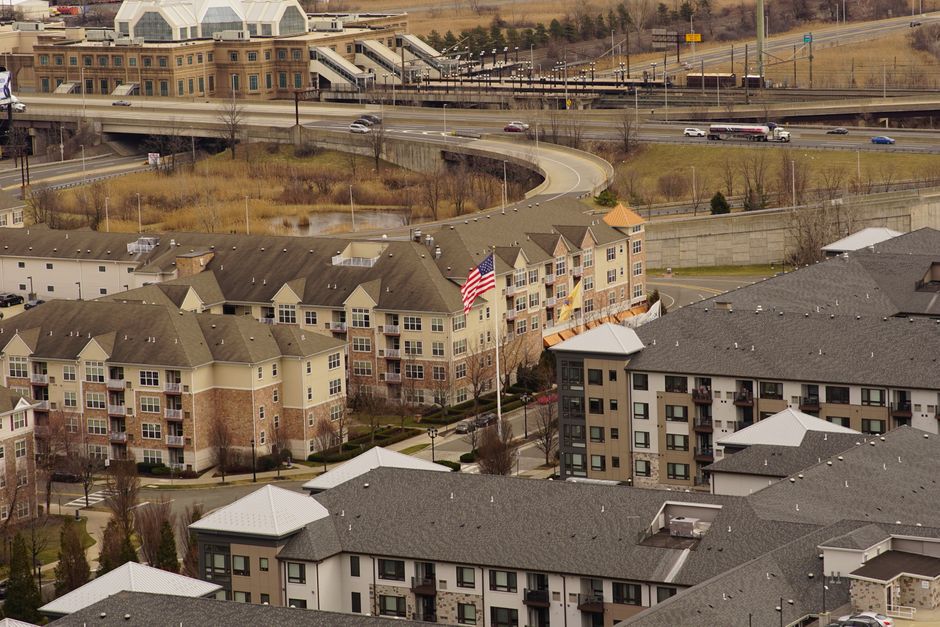
New Jersey coastal properties face combined flood and wind exposure during the Thanksgiving storm.
Source: NJ.com
Why does the New Jersey flood watch matter to property owners and buyers?
What should New Jersey homeowners review?
New Jersey homeowners should monitor weather and local safety updates, secure loose outdoor items, protect important documents, and review property insurance. Flooding or wind damage can lead to repairs, temporary access problems, and insurance claims. Homeowners should document conditions with photographs, receipts, inspection records, and other available records if damage occurs.
New Jersey storm damage can also affect a home under contract. The buyer, seller, lender, and insurer may need to determine whether repairs or additional inspections are necessary. That process can affect the closing timeline, so homeowners and sellers should communicate promptly with the relevant parties.
What should New Jersey homebuyers check before making an offer?
New Jersey homebuyers should evaluate whether a property is in or near an area with flood exposure and ask what coverage is required or recommended. Flood risk can affect insurance availability, the total cost of owning the home, and the time needed to satisfy lender conditions. Buyers should obtain insurance information early rather than waiting until the end of the transaction.
A flood zone is an area identified as having a particular level of flood exposure. Buyers should ask appropriate professionals about the property’s location, coverage requirements, and any available property records. A standard homeowners policy may not address every type of flood loss, so buyers should direct coverage questions to an insurer or agent.
New Jersey homebuyers should investigate flood exposure and insurance before closing.
How should New Jersey investors evaluate an affected property?
New Jersey investors should underwrite the property, not just the purchase price. Storm exposure can affect operating costs, repair reserves, tenant access, and income potential after a damaging event. Investors should include insurance premiums, deductibles, possible flood coverage, maintenance, and vacancy risk in their cash-flow analysis.
A property that looks attractive based on price alone may require a different return calculation once recurring risk and coverage costs are considered. Investors should also account for inspections, repairs, insurance verification, and possible delays before finalizing a transaction.
What should New Jersey property owners watch next?
- Whether the flood watch expands, changes, or is replaced by additional weather alerts.
- Which New Jersey locations experience flooding, wind damage, or travel disruptions.
- Whether affected properties need inspections, repairs, or updated insurance documentation before closing.
- How insurers and local authorities communicate claims, access, cleanup, and recovery information.
These items can help New Jersey homeowners, homebuyers, and investors organize questions for insurers, agents, lenders, and other transaction professionals. NJ.com reported the storm threat on November 23, 2026; conditions and alerts may change, so readers should review current information from appropriate authorities.
How can New Jersey investors and homebuyers finance when conditions change?
Mortgage Bank of California dba MBANC (NMLS #38232) is licensed in New Jersey for both owner-occupied consumer mortgages and investment-property lending. MBANC’s Non-QM loan programs may help New Jersey homeowners, homebuyers, and investment-property borrowers whose income or financial profile does not fit a traditional bank’s guidelines, including self-employed entrepreneurs, business owners, contractors, investors, retirees, and international buyers. Learn more about Non-QM lending across New Jersey and discuss how property condition, insurance, income documentation, and timing may affect a transaction.
Bottom line for New Jersey: The New Jersey flood watch makes property condition, insurance, access, and closing timing important questions for homeowners, homebuyers, and investors. Review exposure and coverage early if a property is near the coast or in a flood-prone area.
More New Jersey coverage
- Jersey City Housing Development: What New Jersey Buyers Should Know (November 23, 2026)
- New Jersey Property-Tax Relief: What Owners Should Know (November 22, 2026)
- Newark Housing Authority Changes for New Jersey Housing (November 21, 2026)
Go Deeper
Mbanc NMLS #38232 | Equal Housing Opportunity Lender
Frequently Asked Questions
What should New Jersey homeowners do before the storm?
New Jersey homeowners should monitor weather and local safety updates, secure loose outdoor items, protect important documents, and review property insurance before the storm. New Jersey homeowners should contact an insurer or agent with questions about flood coverage, wind coverage, deductibles, and claims procedures, because coverage can depend on the policy and cause of loss.
Can New Jersey flooding affect a home purchase or refinance?
Yes, New Jersey flooding can affect a home purchase or refinance. Flood exposure, property damage, insurance availability, and required repairs may affect underwriting, closing timing, and ownership costs. New Jersey buyers and homeowners should investigate these issues early and provide requested documentation promptly to the relevant transaction professionals.
Does MBANC lend on investment properties in New Jersey?
Yes, Mortgage Bank of California dba MBANC (NMLS #38232) is licensed in New Jersey for investment-property lending and owner-occupied consumer mortgages. New Jersey investment-property borrowers remain subject to credit approval and property requirements, and the applicable financing options depend on the transaction and borrower profile.
Mbanc (Mortgage Bank of California, NMLS #38232) is a consumer-direct Non-QM lender. This content is for informational purposes only and does not constitute a commitment to lend. All loans subject to credit approval.