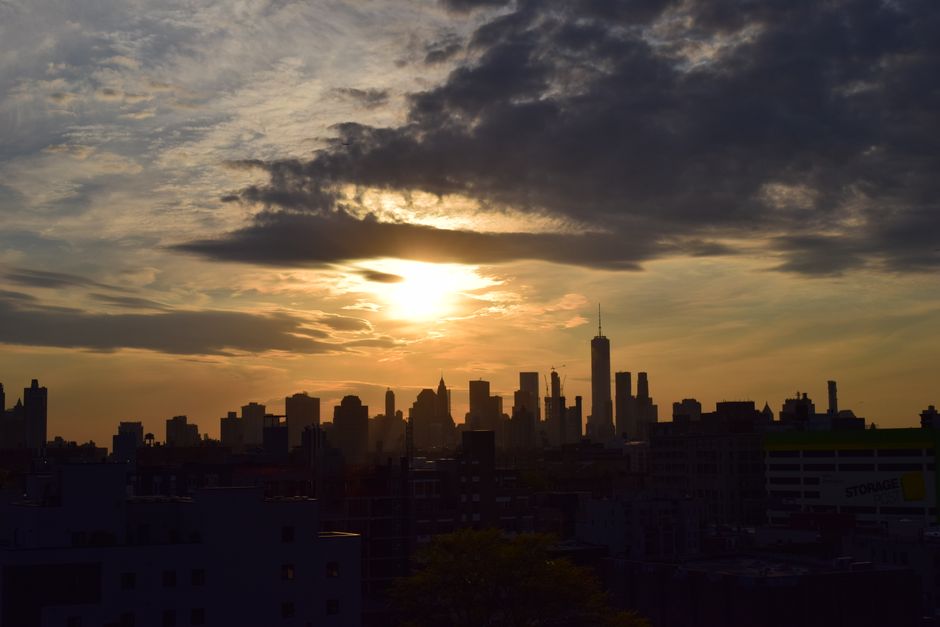

- What happened: According to BBC on September 27, 2026, a powerful nor’easter brought coastal flooding, strong winds, and power disruptions across the New York region.
- Who it affects: Coastal property owners, buyers, landlords, and real-estate investors may face access, inspection, insurance, and transaction issues.
- Where: New York and the New York City region experienced reported impacts, and New Jersey also declared an emergency.
- Source: BBC, published September 27, 2026.
What does New York coastal flooding mean for property?
According to BBC on September 27, 2026, a powerful nor’easter brought coastal flooding, strong winds, and power disruptions across the New York region. New York and New Jersey declared emergencies in response to the storm, according to BBC on September 27, 2026.
BBC reported at least one death and widespread concerns about damage on September 27, 2026. For property owners, the immediate issue is not only visible flooding or wind damage. Storm conditions can also affect roads, utilities, building access, inspections, contractors, and the timing of real-estate transactions.
New York coastal flooding can create property risks that vary by neighborhood and building. A property away from the shoreline may avoid floodwater but still experience roof damage, basement water intrusion, downed trees, or a prolonged outage. Buyers and investors should rely on property-specific inspections, disclosures, and insurance information rather than assuming that a regional report describes every property.
New York coastal flooding can affect transaction timing even when a property has no visible water damage.
Source: bbc.com
Why are New York property inspections important after a storm?
Property condition and inspections
Flooding and strong winds can create damage that is not obvious during a quick walk-through. Moisture in basements, crawl spaces, walls, electrical systems, and mechanical equipment may require closer review. If a property is inaccessible because of flooding, debris, outages, or road closures, an inspection may need to be delayed or rescheduled.
For a buyer or investor under contract, that delay can affect due diligence timing and the ability to confirm property condition before closing. A storm may also lead to new repair estimates, contractor delays, or requests for documentation showing that reported damage has been addressed.
An inspection is a professional review of a property’s condition and systems. An appraisal is a professional opinion of a property’s value, and an appraisal district is a local government office that maintains property assessment records.
Insurance and carrying costs
Coastal owners may face cleanup expenses and insurance claims after flooding or wind damage. Coverage depends on the policy, the type of damage, and the property’s location. Flood-related losses and wind-related losses may be treated differently, so owners and investors should review their policies and contact insurance professionals promptly after damage.
For landlords, an outage or unsafe condition can interrupt rental operations, delay repairs, and create additional carrying costs. Investors evaluating a New York rental property should consider storm exposure, access to the building, drainage, elevation, prior damage disclosures, and the availability and cost of appropriate insurance.
New York coastal flooding makes property-specific insurance review especially important for coastal and low-lying rental properties.
Closings and property value analysis
Storm damage can change the information a lender, appraiser, insurer, or buyer needs before a transaction moves forward. If property condition changes materially, updated inspections, repair records, photographs, or an appraisal review may be needed. That does not automatically determine a property’s value, but it can affect timing and the assumptions used in the analysis.
Buyers and investors should ask whether the property was affected, whether claims were filed, whether repairs are complete, and whether damage disclosures have been updated. These questions are especially important for coastal and low-lying properties in the New York City region.
What should New York buyers and investors watch next?
- Updates from local authorities on flooding, road access, power restoration, and emergency conditions.
- Property-specific inspection reports, photographs, repair estimates, and updated seller disclosures.
- Insurance adjuster findings and confirmation of available coverage for flood or wind-related damage.
- Any inspection, appraisal, title, or closing delays affecting a property under contract.
New York property investors should document storm-related conditions before evaluating a purchase, repair plan, insurance position, or closing schedule.
Financing for New York investors when the picture changes
Mortgage Bank of California dba MBANC (NMLS #38232) originates loans in New York only for business or investment purposes, such as non-owner-occupied residential rental property. The New York investment lending options may help landlords, portfolio investors, short-term-rental operators, and out-of-state investors evaluate financing when a property’s condition, income, or timing requires more flexibility than a traditional bank may provide. Mortgage Bank of California dba MBANC does not offer owner-occupied, primary-residence, or consumer mortgages in New York.
Bottom line for New York: New York coastal flooding can affect property condition, insurance review, inspections, and closing schedules. Investors should confirm property-specific facts before making a business-purpose real-estate decision.
More New York coverage
- New York Nor’easter Property Impacts: What to Watch (September 26, 2026)
- Queens Affordable Housing Development in New York (September 25, 2026)
- New York Affordable Housing Shortage: Investor Impact (September 24, 2026)
Go Deeper
Mbanc NMLS #38232 | Equal Housing Opportunity Lender
Frequently Asked Questions
Can New York coastal flooding delay a property closing?
Yes. New York coastal flooding, outages, restricted access, damage, or delayed inspections can affect the information needed before a property closing. The effect depends on the property’s condition and the transaction’s requirements. Buyers and investors should ask whether updated inspections, repair records, disclosures, or appraisal review are needed before closing.
What should a New York investor review after a nor’easter?
A New York investor should review inspection findings, damage disclosures, repair records, insurance information, property access, and changes to rental operations or expenses after a nor’easter. Coastal and low-lying properties may require closer storm-exposure analysis, including review of prior damage, drainage, elevation, and available insurance.
Does Mbanc finance owner-occupied homes in New York?
No. Mortgage Bank of California dba MBANC (NMLS #38232) originates loans in New York only for business or investment purposes, including eligible non-owner-occupied residential rental property. Mortgage Bank of California dba MBANC does not offer owner-occupied, primary-residence, or consumer mortgages in New York.
Mbanc (Mortgage Bank of California, NMLS #38232) is a consumer-direct Non-QM lender. This content is for informational purposes only and does not constitute a commitment to lend. All loans subject to credit approval.